On the eve of the United States’ historic semiquincentennial celebrating the 250th anniversary of the signing of the Declaration of Independence, a controversial shadow has fallen over the public festivities. A joint report published on Friday, July 3, 2026, by watchdog groups Public Citizen and the Revolving Door Project has exposed the highly opaque corporate sponsorship structure of “Freedom 250.” Freedom 250 is a privately operated, White House-aligned initiative created by executive order to plan several of the administration’s official anniversary events. The report reveals that major corporate sponsors—including massive defense contractors, tech giants, and heavily regulated resource companies—are funding the private organization while actively seeking multi-billion-dollar federal contracts, regulatory approvals, or policy favors from the Trump administration.
The emergence of Freedom 250 alongside the congressionally chartered, bipartisan “America250” commission has generated deep confusion, legal challenges, and allegations of financial impropriety. According to congressional investigators, the administration diverted approximately $100 million of the $150 million in federal funds originally appropriated by Congress for the nonpartisan America250 commission directly to the Trump-aligned Freedom 250. This funding diversion, combined with a tiered sponsorship structure that offers private access to President Donald Trump in exchange for seven-figure donations, has turned a historically unifying national milestone into a highly politicized, corporate-backed spectacle.
The Battle of Two Birthdays: America250 vs. Freedom 250
The struggle over who controls the nation’s 250th anniversary celebrations is a complex story of competing organizations, funding battles, and political maneuvering. In 2016, Congress passed a bipartisan law establishing the U.S. Semiquincentennial Commission, creating the nonpartisan, non-profit organization “America250” as its official partner to coordinate nationwide commemorations, community projects, and historical exhibitions. Led by a bipartisan group of lawmakers and private citizens under the leadership of former U.S. Treasurer Rosie Rios, America250’s events were designed to focus on local block parties, historical education, and community-driven initiatives.
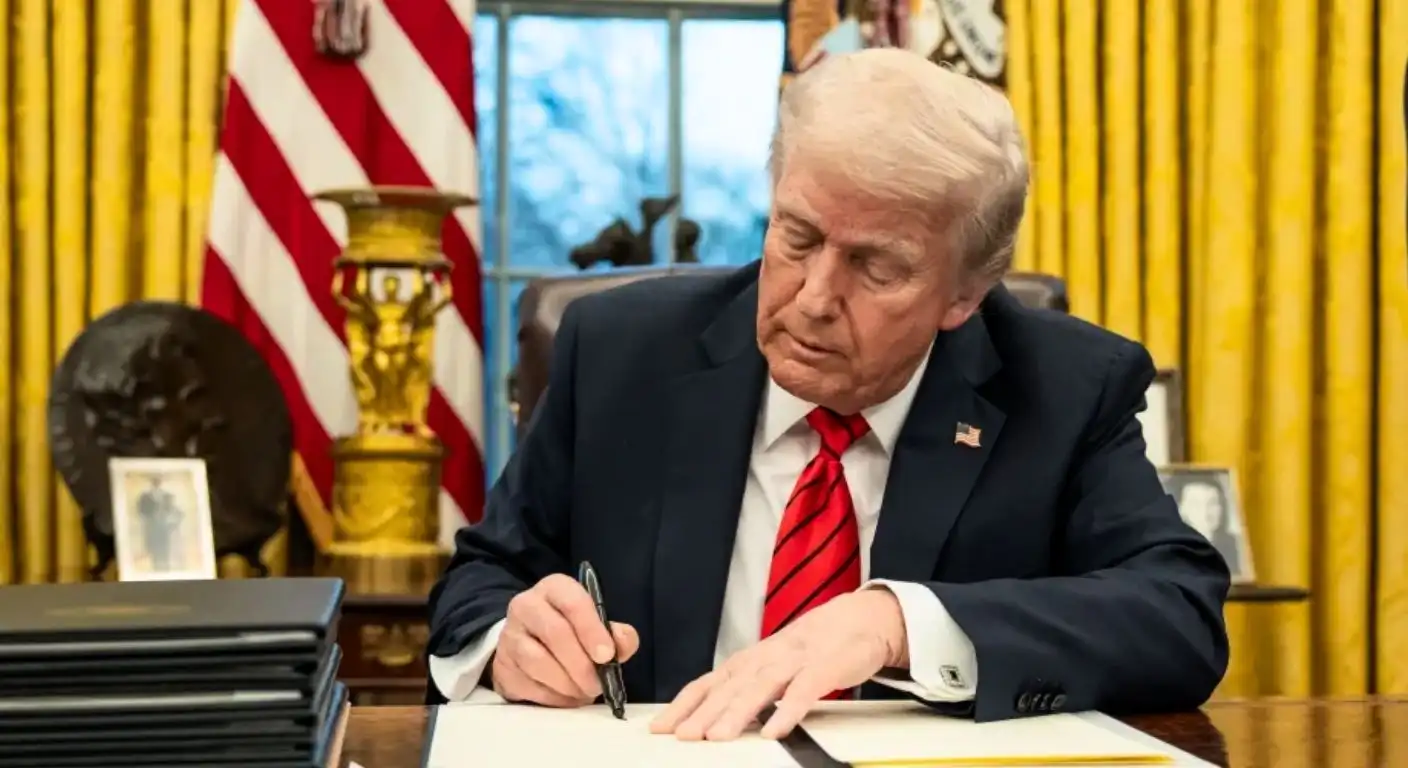
However, following President Trump’s return to office in 2025, the White House launched a sustained pressure campaign to take control of the anniversary planning, attempting to install political loyalists and campaign operatives onto America250’s nonpartisan board. When the organization’s bipartisan leadership resisted these efforts—relying on strict legislative limits on the president’s power to remove board members—the Trump administration took the aggressive step of creating “Freedom 250” by executive order in December 2025. This rival public-private partnership, placed under the administrative control of the National Park Foundation (NPF), allowed the White House to bypass the bipartisan commission entirely, setting up its own parallel network of events designed to feature high-profile military parades, sporting events, and campaign-style spectacles centered on the president himself.
Underwriting Access: Leaked Tiered Sponsorship Packages
The primary source of ethical concern surrounding Freedom 250 is its opaque, private fundraising mechanism. Unlike America250, which is legally required to submit transparent annual financial reports to Congress, Freedom 250’s funding structures operate largely in the dark, concealing the identities of its private corporate donors.
Leaked fundraising materials, first exposed by the New York Times, reveal that the Trump-aligned group established a highly structured, tiered sponsorship program that offers direct, personal access to the president in exchange for massive financial contributions:
- Tiered Pricing: Sponsorship packages range from $500,000 to over $10 million, with benefits escalating based on the donation size.
- Event Access: Donors contributing at least $500,000 receive VIP access, priority ticketing, preferred seating, and invitations to major national events.
- Speaking Roles: High-level corporate sponsors are offered prominent speaking roles alongside cabinet-level administration officials during national broadcasts.
- Private Receptions: The most lucrative packages, targeting donors giving over $1 million, include exclusive invitations to private receptions and personal, closed-door meetings with President Donald Trump.
These fundraising tactics have drawn sharp criticism from government ethics experts, who argue that the program functions as an unregulated, opaque pathway for corporations to purchase political influence. Alan Zibel, a researcher at Public Citizen and co-author of the investigative report, expressed deep concern over the lack of transparency, pointing out that these opaque, private vehicles make it virtually impossible for the public to track which companies are attempting to influence the federal government, why they are doing so, and what regulatory favors they expect in return.
Key Corporate Sponsors with Active Federal Interests
The watchdog report provides a highly detailed analysis of the specific corporations funding Freedom 250 and the active financial, regulatory, or policy interests they have pending before the federal government. For many of these corporate sponsors, donating millions of dollars to the president’s preferred anniversary project is a highly rational, defensive business strategy designed to build political goodwill and secure favorable administrative decisions.
The Mosaic Co. and the Florida Waste Pile Permit
One of the most prominent examples of a corporate sponsor with a major regulatory interest pending before the administration is Tampa-based fertilizer giant, The Mosaic Company. As the world’s largest producer of phosphate and potash, which are essential components in agricultural fertilizers, Mosaic’s operations are deeply affected by federal environmental regulations.
According to the joint report, Mosaic is currently waiting for a critical, high-stakes regulatory decision from the U.S. Army Corps of Engineers and the Environmental Protection Agency (EPA). The company has submitted a petition to build a massive new gypsum and phosphate waste storage stack in Florida, a project that would allow it to expand its mining operations but has faced intense opposition from local environmental groups over potential contamination risks in a state highly vulnerable to intensifying hurricanes. By donating a significant sum to become a prominent sponsor of the president’s Freedom 250 celebrations, Mosaic has a massive financial incentive to align itself with the administration’s deregulatory agenda, hoping to secure the federal permits necessary to expand its mining operations.
Defense Contractors and the Constitution Avenue Military Parade
The close relationship between corporate funding and government influence is also highly visible in the active participation of the nation’s largest defense and aerospace contractors. Giants of the military-industrial complex, including General Dynamics, Lockheed Martin, Northrop Grumman, and RTX (formerly Raytheon), have emerged as major financial sponsors of both America250 and Freedom 250.
The strategic value of this sponsorship was demonstrated during a massive military parade honoring the Army’s 250th birthday, which rolled through the streets of Washington, D.C. As tanks and armored vehicles rolled down Constitution Avenue, an announcer’s voice periodically interrupted the national broadcast to offer special thanks to presenting sponsor Lockheed Martin—the world’s largest defense contractor. Simultaneously, Northrop Grumman set up a large marketing pavilion next to the National Mall, giving away free company merchandise right next to a physical display of its active M230 chain gun. For these multi-billion-dollar weapons manufacturers, sponsoring the national celebrations is a highly visible way to promote their products directly to the military decision-makers and congressional appropriators who control the defense budget.
The Technology and Database Lobby: Palantir and Oracle
The technology and government consulting sectors have also poured millions of dollars into the anniversary funds. Companies like Palantir Technologies, Oracle, SAP, and Deloitte—which hold extensive, multi-billion-dollar contracts with the Department of Defense, the Department of Homeland Security, and the intelligence community—are listed as prominent sponsors.
These technology firms are highly dependent on federal administrative decisions. For example, Palantir relies heavily on securing government contracts for its advanced data-analytics and AI software, while Oracle is constantly competing to host secure, government databases on its cloud platforms. By investing heavily in Freedom 250, these technology companies can ensure they maintain high-level, VIP access to the administration’s procurement officials, protecting their lucrative federal business streams and ensuring they remain the preferred partners for the government’s digital modernization efforts.
The Double-Sponsorship Strategy: Confusion and Hedging
A unique finding of the CNBC analysis is that 14 major corporations—including Boeing, United Airlines, John Deere, and Scotts Miracle-Gro—ultimately chose to sponsor both America250 and Freedom 250 simultaneously. This double-sponsorship strategy reflects the deep confusion and political anxiety that the dual-organization structure created within corporate boardrooms.
Many corporate executives did not understand the difference between the two competing organizations, finding themselves confused by conflicting donation requests from the bipartisan congressional commission and the Trump-aligned White House team. Some companies initially agreed to sponsor America250’s nonpartisan events, only to receive high-pressure fundraising calls from administration officials urging them to redirect their donations to Freedom 250. Rather than risking a political backlash or alienating the White House by choosing one over the other, many major corporations chose to write checks to both organizations, treating the double-sponsorship as a necessary insurance policy to protect their federal business interests.
Geopolitical and Democratic Backlash to Partisan Celebrations
The highly politicized nature of the Freedom 250 celebrations has triggered a significant backlash among local state governments, cultural organizations, and creative artists, who argue that the administration has hijacked what was intended to be a unifying national milestone for personal and partisan branding. This friction has severely impacted several of the planned public events, leading to sparse crowds, technical difficulties, and public cancellations.
The centerpiece of Freedom 250’s public programming, the “Great American State Fair” on the National Mall, has faced significant organizational challenges:
- State-Level Boycotts: At least eight states, including several with Democratic governors, officially declined to participate in the state fair, citing high exhibit fees, logistical hurdles, and concerns over the partisan nature of the event.
- Artist Cancellations: Multiple prominent musicians and performing artists pulled out of the National Mall concert series, citing concerns that their participation was being misrepresented as an endorsement of the administration’s political platform.
- Technical Failures: The physical event on the National Mall has been plagued by extreme heat, equipment failures, and sparse crowds, as the political controversy surrounding the planning has kept many local residents and tourists away.
These widespread disruptions demonstrate that the politicization of national history has a real, measurable cost. By transforming a unifying, nonpartisan milestone into a corporate-sponsored campaign event, the administration has alienated a massive portion of the public, turning what should have been a celebration of American democracy into a highly polarized source of national division.
Conclusion
The controversy surrounding the corporate sponsorship of the Freedom 250 celebrations represents a significant ethical challenge for President Donald Trump’s second term. By establishing an alternative, privately funded planning group that offers elite access to the president in exchange for seven-figure donations, the administration has opened an opaque, unregulated pathway for corporate influence-peddling. As the country prepares to celebrate its 250th anniversary on July 4, 2026, the joint report by Public Citizen and the Revolving Door Project has exposed how deeply intertwined major federal contractors and regulated industries have become with the president’s private, non-campaign fundraising initiatives.
While the administration defends these public-private partnerships as an innovative, cost-effective way to fund national celebrations, the diversion of $100 million in congressional appropriations from the bipartisan America250 commission to Freedom 250 tells a different story. The fact that major defense contractors like Lockheed Martin and regulated mining firms like Mosaic are prominent sponsors highlights the strategic, transactional nature of modern corporate lobbying. As the high-stakes political and legal battles continue to unfold, this commercialization of national heritage serves as a powerful reminder that in the modern political era, even the most sacred symbols of American democracy can easily be repackaged as a commodity for sale to the highest corporate bidder.