Germany hit a massive wall with its green energy transition. For the past two decades, the country poured billions of dollars into wind turbines and solar panels to lead the global fight against climate change. The government offered incredibly generous financial incentives to anyone willing to generate clean power. The strategy worked better than anyone expected, but now the country faces a highly expensive and dangerous problem. The sun is shining too brightly, the panels are producing too much power, and the national electrical grid is buckling under the weight of the surge.
To stop the financial bleeding and protect the physical infrastructure, the German government announced aggressive plans to slash renewable energy subsidies. The administration wants to suspend financial support payments when electricity prices drop below zero, a scenario that is happening with alarming frequency. They also plan to force solar and wind producers to compete on the open market without the safety net of guaranteed government payouts.
This drastic policy pivot highlights a difficult truth about the energy transition. Building millions of solar panels is only half the battle. If a country does not upgrade its power lines and build massive battery storage facilities at the same time, all that clean energy becomes a financial liability. Germany is currently learning this lesson the hard way, and the rest of the world is watching closely to avoid making the same mistakes.
The Crushing Financial Weight of the Solar Boom
The foundation of Germany’s renewable energy success was the Renewable Energy Sources Act, commonly known as the EEG. This law guaranteed a fixed payment, called a feed-in tariff, to anyone who generated renewable energy and sent it into the public grid. The government promised to pay these fixed rates for 20 years. This removed almost all financial risk for investors, homeowners, and businesses. If you bought a solar panel, you knew exactly how much money you would make over the next two decades.
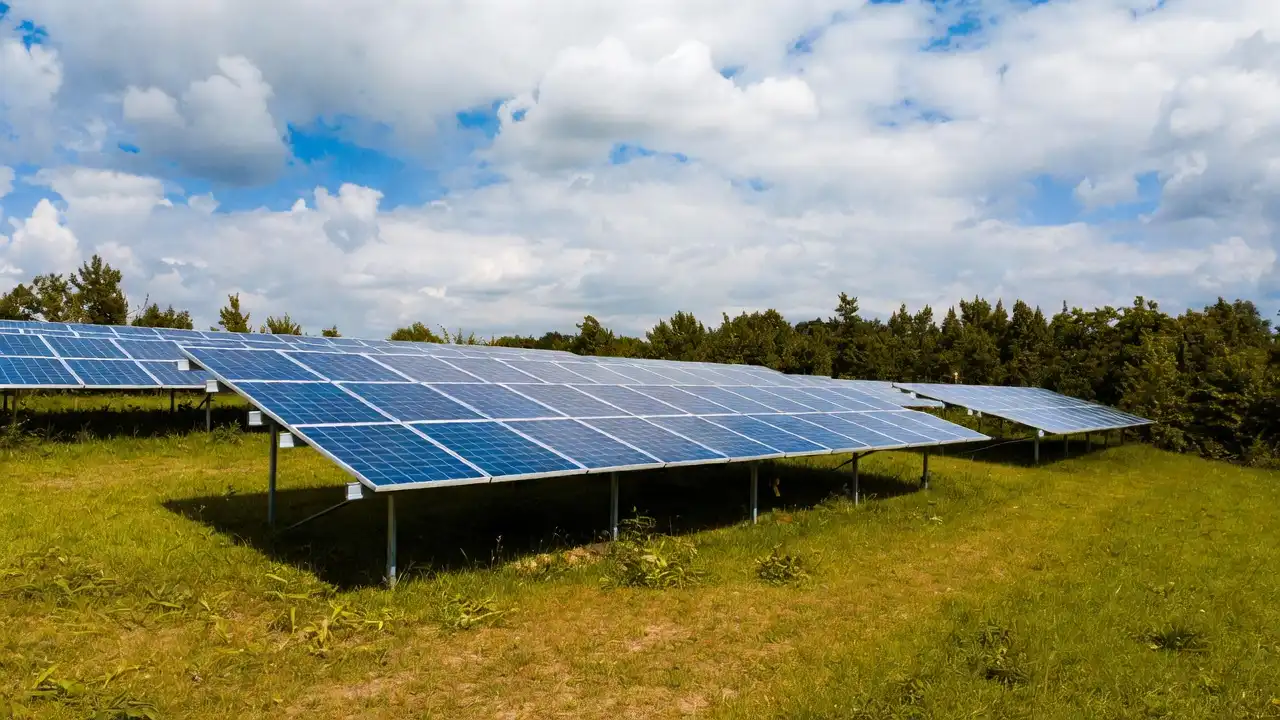
The incentives triggered a historic installation boom. People covered residential roofs, commercial warehouses, and empty farm fields with photovoltaic panels. Recently, Germany saw a massive explosion in “balcony solar” systems. These are cheap, plug-and-play solar panels that apartment renters hang on their balconies and plug directly into standard wall outlets. Last year alone, the country added over 14 gigawatts of new solar capacity, crushing its own installation targets.
But this overwhelming success created a massive financial trap. Because the government guaranteed a fixed payout for every kilowatt-hour of solar energy produced, the financial liability grew alongside the installation numbers. When the sun shines across the country on a clear summer afternoon, millions of solar panels flood the grid with electricity all at once. The massive surge in supply causes the wholesale market price of electricity to crash.
The government still has to pay the solar producers their high, guaranteed rates, even when the market value of that electricity drops to zero. To cover the difference, the state dips into an EEG funding account. Because market prices have crashed so frequently, this funding account is rapidly running out of money. The German government currently faces a massive funding gap estimated at $19.5 billion just to cover the promised renewable subsidies for this year. The finance ministry simply cannot afford to keep writing these checks.
Grid Congestion and the Negative Pricing Crisis
The financial problem is closely tied to a physical problem. The German power grid was designed over half a century ago to carry power from a few massive, centralized coal and nuclear plants out to homes and factories. It was never designed to handle millions of decentralized solar panels pushing power back into the system from every direction simultaneously.
When Electricity Prices Drop Below Zero
The flood of solar power creates a bizarre economic phenomenon known as negative pricing. On sunny, windy days, the grid fills up with more electricity than the country can actually consume. Power plants cannot just hit a pause button. Traditional fossil fuel plants take hours or even days to ramp down their production safely. Since the grid must remain perfectly balanced between supply and demand to avoid blackouts, grid operators become desperate to get rid of the excess power.
During these moments, the wholesale price of electricity drops below zero. Grid operators literally pay large consumers, like manufacturing plants, to use more electricity. They also pay neighboring countries to take the excess power across international borders. Germany recorded over 300 hours of negative electricity prices last year, and the trend is accelerating rapidly. During intense solar peaks, prices have plunged to minus $50 per megawatt-hour.
Under the old subsidy rules, solar farm owners did not care about negative prices. The government still paid them their guaranteed tariff. They had no financial incentive to turn off their panels or install batteries. The government effectively paid them to produce power that nobody wanted, and then the government paid other countries to take that power away. It is a completely broken economic loop that drains taxpayer money at an astonishing rate.
The Regional Infrastructure Bottleneck
The physical location of the power generation makes the problem even worse. Germany suffers from a severe geographic energy divide. The massive wind farms sit primarily in the windy northern regions near the North Sea. The bulk of the heavy industry and the large solar installations sit in the southern regions.
To balance the system, Germany desperately needs massive, high-voltage transmission lines to carry wind power from the north to the south, and solar power from the south to the north. These transmission highways face years of delays. Local communities consistently block the construction of new power lines through their towns, tying up projects in endless bureaucratic lawsuits and environmental reviews.
Because the power cannot travel freely across the country, local grids experience severe bottlenecks. A local neighborhood with a high concentration of rooftop solar panels can overload the neighborhood transformers. Grid operators have to step in and forcefully curtail, or shut down, the renewable power plants to prevent the wires from melting or the transformers from blowing up. Even when the operators force a wind or solar farm to shut down to protect the grid, the government still compensates the owners for the power they could have produced. This adds millions of dollars in extra costs to the system every single week.
Rethinking the Subsidy Strategy for a Mature Market
The German government realizes that it can no longer treat solar and wind power like fragile, infant industries that need constant financial protection. Renewable energy is now a mature, dominant force in the national energy mix. The new policies aim to force renewable producers to act like regular market participants who respond to real-world supply and demand signals.
Phasing Out Guaranteed Tariffs
The most aggressive change involves the complete elimination of subsidies during periods of negative pricing. Under the new proposal, if the wholesale price of electricity drops below zero, the government will stop paying the feed-in tariff. This simple rule change fundamentally alters the business model for solar and wind farms.
If the government stops paying during a supply glut, large solar farm operators will actually lose money if they keep pushing power into a negative-priced market. To protect their profits, these operators will use automated software to disconnect their panels from the grid the moment prices turn negative. This self-regulation will immediately relieve the stress on the physical grid and stop the massive financial drain on the government budget.
The government also plans to lower the size threshold for these market rules. Previously, only massive utility-scale farms faced market exposure. Now, mid-sized commercial installations on warehouse roofs will have to sell their power directly on the market rather than relying on a fixed state payout. Small residential arrays will also face tighter regulations. The government wants to mandate the installation of smart meters on all new home solar systems, giving local grid operators the ability to remotely turn off residential panels when local wires face an overload risk.
Shifting the Focus to Energy Storage
The fundamental issue is not that Germany produces too much clean energy; the issue is that it produces the energy at the wrong time. Solar panels hit maximum output around noon, but energy demand peaks in the early evening when people return home from work, turn on their appliances, and plug in their electric vehicles. This creates a steep drop in net demand during the day and a massive spike at night, a pattern energy experts call the “duck curve.”
To flatten this curve, Germany needs massive amounts of energy storage. The government is redesigning its subsidy structure to heavily favor battery installations. If a developer builds a solar farm on its own, they will receive minimal government support. However, if they pair those solar panels with a massive, utility-scale lithium-ion battery system, they will qualify for significant financial incentives.
Batteries solve both the physical and financial problems facing the grid. During the midday solar surge, the battery absorbs the excess electricity instead of dumping it onto the overloaded power lines. This prevents negative pricing and grid congestion. Later in the evening, when the sun goes down and power prices spike, the battery releases the stored energy back into the grid, generating massive profits for the owner and keeping the lights on for consumers. Germany wants to incentivize millions of home battery walls and hundreds of large industrial battery parks to turn its chaotic solar surge into a smooth, reliable power source.
The Ripple Effects Across the European Energy Market
The policy changes in Germany will send massive shockwaves across the entire European continent. Europe operates on a highly interconnected, synchronized power grid. Electricity flows freely across national borders to balance regional supply and demand. Because Germany represents the largest economy and the largest power market in Europe, its internal grid problems quickly become everyone else’s problems.
When Germany experiences a massive solar surge and dumps its excess power onto the international market, it crashes wholesale electricity prices in neighboring countries. This hurts power producers in France, the Netherlands, and Poland. French nuclear power plants, which prefer to run at a steady, consistent output, struggle to manage the sudden influx of cheap German solar power. Polish coal plants face intense financial pressure when negative prices flood across the border.
By forcing its own solar producers to respond to market signals and shut down during supply gluts, Germany will stabilize the entire European energy market. Prices will become more predictable, reducing the extreme volatility that makes it difficult for traditional utility companies to plan their operations.
However, cutting subsidies also creates severe anxiety for the European clean energy industry. The solar manufacturing sector in Europe is already struggling to survive against a flood of cheap, highly subsidized solar panels imported from China. Several major European solar factories recently filed for bankruptcy or halted production because they cannot compete on price. If Germany, the largest buyer of solar panels in Europe, drastically cuts its financial incentives, the demand for new solar installations will naturally cool down. A sudden drop in domestic demand could serve as the final death blow for the remaining solar manufacturing base in Europe.
Investors holding clean energy stocks are watching the situation closely. The era of guaranteed, risk-free returns on renewable energy projects is officially over. Wind and solar developers must now hire sophisticated energy traders and build complex financial models to survive in a volatile, open market. Banks will demand higher interest rates to finance new solar farms because the revenue streams are no longer guaranteed by the government. The transition separates the highly efficient, tech-savvy energy developers from those who relied entirely on state handouts to stay afloat.
The Hard Lessons of a Successful Energy Transition
The current crisis in Germany serves as a crucial warning for countries like the United States, which are currently spending billions of dollars to accelerate their own green energy transitions. Pushing massive amounts of money into solar panels and wind turbines without simultaneously upgrading the transmission lines and building battery storage is a recipe for disaster. You cannot put millions of new cars on the road without first widening the highway.
Germany achieved its solar deployment targets years ahead of schedule, proving that financial incentives work incredibly well to drive consumer behavior. The government mobilized billions of dollars of private capital to fight climate change. But they failed to anticipate the speed of the deployment and the physical limitations of their own infrastructure. They built the generation capacity of the future while relying on the power grid of the past.
The decision to slash renewable subsidies is not a retreat from climate goals. It is a necessary evolution. Germany remains fully committed to reaching carbon neutrality and phasing out fossil fuels. The government just realizes that the tools used to jumpstart the industry are no longer the right tools to manage a mature market.
Moving forward, the energy transition requires a much smarter, more dynamic approach. The focus must shift from pure generation volume to grid flexibility. Power grids need advanced software to balance millions of tiny inputs and outputs in real time. Consumers need dynamic electricity pricing that charges them less money to run their dishwashers at noon and more money to charge their cars at 7:00 PM. Every new solar farm must feature an integrated battery system.
The chaos currently shaking the German energy market is the messy reality of trying to rewire an entire industrial economy while keeping the engine running. The subsidy cuts will cause short-term pain for solar developers and trigger political fights across the country. Yet, pulling away the financial safety net is the only way to force the renewable energy sector to grow up, adapt to the market, and build a truly resilient, self-sustaining power grid for the decades to come.