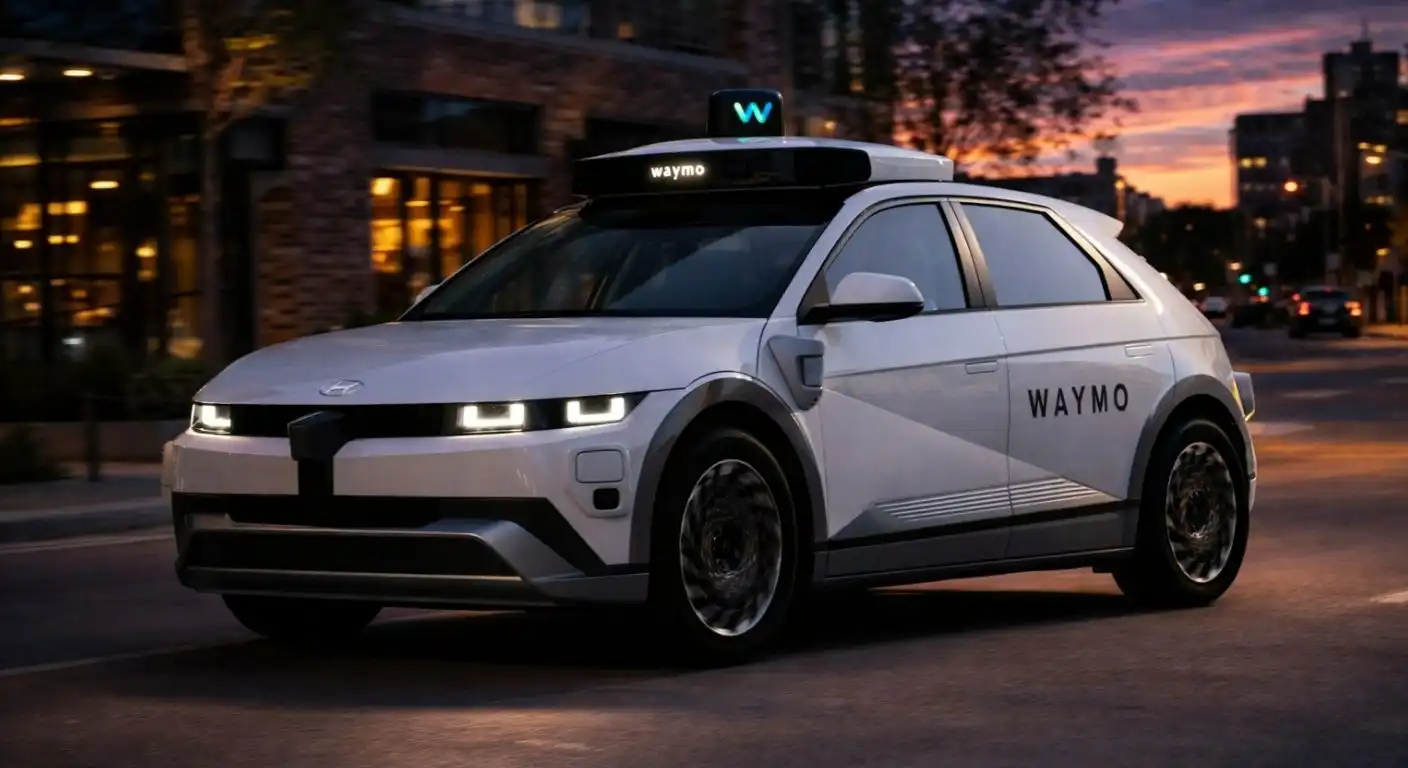
In a major strategic shift that promises to reshape the commercial autonomous mobility landscape, Alphabet’s self-driving division Waymo is exploring an exit or substantial restructuring of its commercial ride-hailing partnership with Uber Technologies. The potential decoupling comes as Waymo rapidly expands its proprietary Waymo One ride-hailing service, seeking total operational control over its customer relationships, rider telemetry, in-cabin entertainment, and revenue margins. The strategic reconsideration highlights a fundamental tension at the heart of the emerging robotaxi industry: whether autonomous vehicle developers should operate as independent direct-to-consumer mobility networks or function as white-label hardware suppliers for third-party aggregation platforms.
The commercial relationship between Waymo and Uber initially established a powerful framework for early driverless deployment. Under their existing operational agreements in Phoenix, Arizona, as well as planned expansions across Austin, Texas, and Atlanta, Georgia, riders could request fully autonomous Waymo vehicles directly through the standard Uber mobile application. The partnership provided Waymo with immediate access to Uber’s massive demand engine, while allowing Uber to integrate cutting-edge driverless technology into its urban transportation ecosystem without bearing the multi-billion-dollar research and development costs of building autonomous driving software from scratch.
However, as Waymo’s commercial operations achieve massive operational scale, the economic rationale for sharing ride revenue with a third-party aggregator has eroded. Waymo recently confirmed that its autonomous fleet generates over 150,000 paid commercial trips per week across San Francisco, Phoenix, and Los Angeles, representing a 200% volume increase over 12 months. Supported by a fresh $5 billion multi-year capital commitment from parent company Alphabet, Waymo leadership is prioritizing unit economic optimization, attempting to capture 100% of top-line passenger fares rather than paying a 20% to 30% platform commission fee to Uber.
TechGolly provides a detailed analysis of the potential Waymo and Uber split, evaluating direct-to-consumer app economics, customer data sovereignty, fleet management logistics, multi-partner autonomous marketplaces, hardware sensor cost reductions, and competitive dynamics against Tesla, Amazon’s Zoox, and General Motors’ Cruise.
Unpacking the Waymo-Uber Commercial Relationship and Exit Rationale
The partnership between Waymo and Uber represented an alliance of necessity during the early commercialization phase of autonomous driving. When Waymo began offering fully driverless commercial rides to the public, building consumer awareness and driving app downloads posed significant customer acquisition costs. Partnering with Uber offered an immediate solution: connecting Waymo’s autonomous vehicle fleet directly to Uber’s global user base of over 150 million monthly active platform consumers.
Under the Phoenix partnership model, when an Uber user requested a standard ride within Waymo’s operational service area, the Uber algorithm could dispatch an autonomous Waymo vehicle if one was nearby and available. The arrangement provided riders with a seamless transition into driverless transportation, while giving Waymo high vehicle utilization rates that kept its expensive electric robotaxi fleet continuously generating fare revenue.
However, as Waymo’s brand recognition expanded, executive leadership began viewing third-party dispatch integration as a strategic hindrance. When a passenger books a driverless ride through the Uber app, the customer relationship belongs fundamentally to Uber. Uber collects the rider’s credit card details, monitors travel patterns, handles customer support inquiries, and retains primary brand loyalty.
For Alphabet, surrendering the direct customer touchpoint violates a core corporate principle that built its multi-trillion-dollar digital empire: owning the primary user interface. By forcing consumers to book rides exclusively through the standalone Waymo One app, Waymo ensures that it owns the end-to-end user experience, builds direct brand equity, and retains complete control over the digital software ecosystem inside and outside the vehicle.
Furthermore, the financial math of third-party dispatch agreements becomes difficult to justify as fleet size expands. In a high-volume commercial robotaxi network, paying an external software aggregator a 20% to 30% cut of every completed trip severely depresses operating margins. To achieve positive return on invested capital and recover the billions spent developing its 6th-generation autonomous driver software, Waymo must maximize gross margin retention on every completed passenger mile.
Customer Data Sovereignty and In-Cabin Monetization
Beyond basic transportation fare retention, direct ownership of the Waymo One mobile application unlocks lucrative secondary revenue streams that are impossible to capture through third-party aggregators.
Modern autonomous vehicles are mobile digital environments. During a 25-minute driverless ride, passengers sit facing interactive touchscreens without a human driver present. Direct control over the in-cabin digital interface allows Waymo to deploy personalized location-based advertising, partner with local retail businesses for promotional drop-offs, and integrate digital media streaming services directly into the vehicle’s entertainment system.
Rider telemetry data represents another valuable corporate asset. Tracking urban movement patterns, popular commuter routes, peak dining destinations, and commercial shopping trends generates high-value data that complements Alphabet’s broader digital advertising and mapping ecosystem.
If an Uber app manages the passenger interaction, Uber retains the primary digital advertising surface and rider data rights. By shifting 100% of its ride volume to the proprietary Waymo One application, Waymo preserves its ability to transform autonomous passenger vehicles into high-margin digital advertising platforms.
Uber’s Agnostic Marketplace Strategy and Multi-Partner Fleet Network
While a potential Waymo departure represents a high-profile headline shift, Uber has spent months preparing its corporate business model for an autonomous mobility ecosystem driven by multiple competing hardware and software vendors.
Uber’s corporate executive team, led by Chief Executive Officer Dara Khosrowshahi, has explicitly positioned Uber as a neutral, open autonomous marketplace. Rather than relying on a single exclusive self-driving partner, Uber is constructing an open mobility platform capable of managing, dispatching, and servicing driverless fleets from dozens of independent autonomous vehicle developers worldwide.
To execute this open marketplace strategy, Uber has finalized commercial partnerships with a diverse array of global autonomous technology companies. Uber reached agreements to integrate General Motors’ Cruise autonomous vehicles onto its platform, signed multi-year deployment deals with autonomous driving startup Avride, partnered with Chinese driverless leader WeRide for international expansion, and integrated May Mobility’s autonomous shuttles into its suburban dispatch networks.
Uber’s strategic value proposition to autonomous hardware developers centers on fleet utilization efficiency and physical operational infrastructure. Building autonomous driving software requires specialized computer science expertise, but managing a commercial robotaxi fleet requires extensive physical infrastructure.
Uber offers autonomous vehicle developers a turnkey solution for physical fleet management, including automated vehicle cleaning, charging station access, physical depot maintenance, insurance underwriting, and localized customer support. By providing the physical and digital operating system for driverless fleets, Uber aims to remain indispensable to smaller AV startups that lack Alphabet’s massive capital balance sheet.
The Economics of Autonomous Fleet Management and Depot Operations
Operating a commercial robotaxi network involves complex physical logistics that extend far beyond writing self-driving software code. A commercial fleet of 1,000 autonomous electric vehicles requires dedicated physical depot real estate, high-voltage electrical charging infrastructure, automated sensor cleaning bays, and specialized maintenance technicians.
Every morning and evening, autonomous electric vehicles must return to central charging depots to replenish battery reserves, clean interior passenger cabins, and undergo sensor calibration checks. If a sensor lens accumulates road grime, dead insects, or rainwater spots, onboard optical perception systems degrade, forcing the vehicle offline until cleaned.
Waymo operates dedicated physical maintenance depots across its primary operating cities, managing its own charging infrastructure and maintenance crews. This vertically integrated approach requires heavy capital investments in commercial real estate and physical facility management.
In contrast, smaller autonomous vehicle developers lack the capital required to build proprietary maintenance depots in every target city. Uber is monetizing this operational gap by building shared, multi-tenant autonomous vehicle service hubs. By offering shared depot space, automated cleaning, and fast-charging access to multiple AV partners, Uber creates an asset-light operational network that generates steady service fee revenues regardless of which specific autonomous software provider wins long-term market share.
Scaling Waymo One: From 150,000 Weekly Rides to Nationwide Coverage
Waymo’s confidence in pursuing an independent commercial path stems from the rapid acceleration of its operational delivery metrics. Waymo One has achieved unprecedented commercial growth, establishing itself as the undisputed leader in commercial driverless miles driven across North America.
In early commercial phases, scaling robotaxi operations required months of painstaking high-definition mapping, localized testing, and step-by-step regulatory approvals for each new neighborhood. Today, machine learning breakthroughs and advanced foundation world models allow Waymo to expand its operational design domain rapidly, introducing driverless service across entire metropolitan regions within weeks.
Waymo’s commercial fleet currently operates across four major urban markets: San Francisco, Phoenix, Los Angeles, and Austin, with highway driving permits allowing driverless transits to major international airports. Transporting passengers directly to airport terminals represents a major commercial victory, as airport trips carry high average fare values and account for a significant share of total urban ride-hailing demand.
To support its next phase of multi-city expansion, Waymo is executing a major hardware upgrade, transitioning from its legacy 5th-generation Jaguar I-PACE fleet to its 6th-generation Waymo Driver platform integrated into custom electric vehicles manufactured by Geely Zeekr and Hyundai.
The 6th-generation hardware suite represents a major engineering breakthrough in sensor cost reduction. By optimizing its sensor placement and utilizing higher-resolution cameras, advanced radar units, and simplified LiDAR modules, Waymo reduced the overall hardware bill of materials for its autonomous sensor suite by approximately 40% to 50% while improving optical performance in extreme weather conditions like heavy rain, fog, and dust storms.
Lowering hardware manufacturing costs allows Waymo to expand its physical fleet footprint dramatically. Deploying thousands of lower-cost electric robotaxis lowers the capital outlay per vehicle, accelerating the timeline to achieve positive unit-level profitability across every active commercial market.
Geopolitical and Competitive Pressures: Tesla, Zoox, and Cruise
Waymo’s strategic decisions are heavily influenced by an accelerating competitive landscape in the autonomous mobility sector. Major technology rivals and automotive manufacturers are deploying billions of dollars to capture market share in driverless transportation.
Tesla represents a primary long-term competitor. Tesla is advancing its vision-only Full Self-Driving software suite, attempting to launch an autonomous ride-hailing network powered by its dedicated Cybercab vehicle platform. Tesla’s approach relies on camera-only vision models and end-to-end neural networks, attempting to eliminate expensive LiDAR and radar sensors to produce driverless vehicles at a target manufacturing cost below $30,000.
Amazon’s autonomous subsidiary, Zoox, is advancing public road testing of its purpose-built, bidirectional autonomous vehicle. Featuring four-wheel steering, symmetric bi-directional driving capabilities, and custom four-seat interior layouts without steering wheels or foot pedals, Zoox is preparing commercial rider deployments in Las Vegas and San Francisco.
Simultaneously, General Motors’ Cruise division has resumed driverless testing following extensive safety and software overhauls. Backed by GM’s manufacturing scale and fresh capital infusions, Cruise is rebuilding its commercial operations, preparing to launch driverless ride-hailing services on the Uber app across major US markets.
Faced with intense competition from well-funded rivals, Waymo recognizes that maintaining its market-leading position requires building direct consumer brand loyalty. Operating its own high-rated Waymo One app creates an independent customer base that remains loyal to Waymo’s safety record and smooth driving performance, regardless of competitor moves.
Strategic Outlook for the Autonomous Ride-Hailing Economy
The potential dissolution of the Waymo-Uber partnership signals the arrival of a mature, highly competitive era for the autonomous transportation economy. Over the next decade, the multi-trillion-dollar global mobility market will transition from human-driven rides toward fully automated, electric robotaxi networks.
The evolution of the industry will likely yield a bifurcated market structure. On one side, vertically integrated technology giants like Alphabet’s Waymo will operate end-to-end proprietary networks, controlling everything from autonomous software development and vehicle purchasing to app-based customer dispatch and digital in-cabin monetization. This model requires immense balance sheet capital but yields high long-term profit margins and total strategic independence.
On the other side, open mobility marketplaces like Uber will aggregate autonomous supply from multiple hardware manufacturers and smaller software developers, providing turnkey physical fleet management, demand balancing, and customer support services. This asset-light model yields lower profit margins per ride but provides immediate global scale and risk diversification.
For consumers, the competitive battle between direct-to-consumer robotaxi apps and multi-brand aggregators will deliver lower ride prices, improved vehicle availability, and safer urban transportation options.
As autonomous vehicle fleets expand from thousands to millions of active units worldwide over the coming decade, direct customer ownership and optimized unit economics will determine which mobility platforms dominate the future of transportation.
Key Takeaways for Mobility Executives, Tech Leaders, and Investors
The strategic evolution of Waymo’s commercial relationship with Uber offers vital strategic insights for corporate decision-makers, automotive executives, technology architects, and institutional investors.
First, customer relationship ownership is the ultimate competitive moat in digital platforms. Technology firms should avoid surrendering direct customer contact, user data, and app interfaces to third-party aggregators once core products achieve commercial scale.
Second, unit economics dictate long-term autonomous strategy. Paying high platform commission fees to third-party aggregators is acceptable during early market entry, but long-term profitability requires capturing 100% of top-line passenger fares to recover heavy technology investments.
Third, hardware sensor cost reduction is essential for fleet scaling. Lowering sensor suite manufacturing costs by 40% to 50% allows autonomous vehicle operators to expand physical fleet sizes rapidly, accelerating the path toward unit-level operational profitability.
Finally, physical infrastructure remains an indispensable component of digital automation. Companies that build, manage, or service physical fleet infrastructure—including high-voltage charging hubs and automated maintenance depots—will capture sustained commercial value as the world transitions to an autonomous mobility economy.