The geopolitical and trade relations between the two largest economies in the Americas are experiencing a period of intense, highly public friction. On Friday, August 21, 2026, Brazilian President Luiz Inácio Lula da Silva and United States President Donald Trump held a high-stakes, 80-minute phone call to address the escalating trade war between their nations. During the conversation, Lula told Trump that the rationale behind Washington’s recently imposed tariffs on Brazilian goods was completely unfounded, warning that the punitive trade barriers are hurting both countries and restricting essential cross-border commerce.
This intense diplomatic standoff follows a series of aggressive trade actions implemented by the Trump administration. In July, the United States imposed a 25% tariff on some Brazilian exports over alleged unfair trade practices, along with an additional 12.5% tariff linked to what Washington calls lax enforcement of forced labor. The double-sided penalties, which have pushed cumulative duties on some critical industrial goods to 37.5%, have outraged the Brazilian government and fanned a powerful, nationalistic backlash ahead of Brazil’s highly polarized October presidential election.
While Trump agreed on the need to maintain strong bilateral trade ties and proposed that the two sides meet again soon, the underlying trade disputes remain unresolved. In response to the U.S. measures, Brazil has officially triggered its statutory economic reciprocity law, preparing a robust list of retaliatory sanctions against U.S. corporations. As both leaders mobilize senior officials to manage the crisis, the conflict has turned into a major test of economic sovereignty, proving that emerging powers are increasingly willing to implement their own trade barriers to protect their national interests.
The Mechanics of the Trade Dispute: Unpacking the Twenty-Five Percent Tariffs
The transition from a cooperative economic partnership to an active trade war represents a major policy shift for the Trump administration, which has increasingly used unilateral tariffs to pressure foreign governments.
The Double-Squeeze of Unfair Trade and Forced Labor Penalties
The corporate assets of the Brazilian export sector have faced severe financial pressure since the United States officially implemented its new tariff lines. Following a year-long investigation by the Office of the U.S. Trade Representative, the Trump administration concluded that Brazil’s domestic trade practices were unreasonable and discriminatory, actively harming the competitive position of American workers and agricultural exporters.
To penalize these practices, Washington imposed a 25% tariff on hundreds of key Brazilian exports, including agricultural products, industrial components, and steel.
At the same time, the administration applied a separate 12.5% tariff, citing what it called a systematic failure by Brazilian authorities to enforce laws against forced labor in its rural industries.
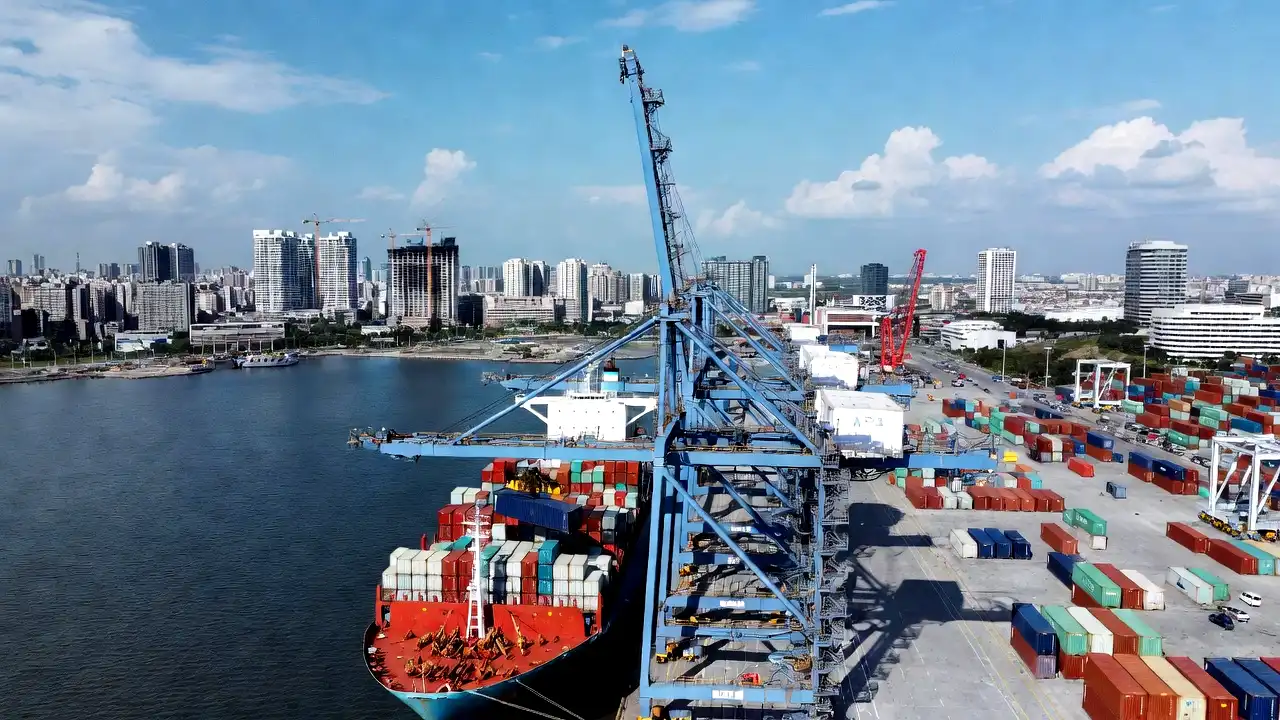
This coordinated, double-sided trade penalty has significantly raised the cost of Brazilian goods in the U.S. market, making many exports commercially non-viable and threatening to disrupt supply chains that are deeply integrated across both hemispheres.
The Inaccuracy of the Non-Reciprocal Trade Narrative
During the 80-minute phone call, Lula presented a robust economic counter-argument, challenging the very foundation of the U.S. trade investigation. The Brazilian president pointed out that the United States has maintained a substantial goods trade surplus with Brazil for years.
In 2025 alone, the United States exported billions of dollars more to Brazil than it imported, proving that American manufacturers, technology platforms, and agricultural producers enjoy highly favorable access to the Brazilian market.
Lula argued that because the U.S. runs a consistent trade surplus, Trump’s public claims that the trading relationship is far from reciprocal are mathematically inaccurate.
This pricing discrepancy has fanned immense anger among Brazilian business groups, who argue that the U.S. is utilizing its market power to execute unfair, protectionist policies to protect its own high-cost domestic industries.
The Reciprocity Law: Brazil Prepares to Retaliate Against US Corporations
The Brazilian government has made it clear that it is no longer willing to accept unilateral trade penalties without fighting back. On Friday, August 14, 2026, the administration took a decisive step, officially triggering the country’s statutory economic reciprocity mechanism.
Invoking the National Economic Reciprocity Mechanism
The activation of the reciprocity law represents a major, state-sponsored pivot toward economic nationalism. Lula announced the policy shift during an interview with local broadcasters, declaring that his government had invoked the reciprocity law to show the world that Brazil must be respected and will not be taken lightly.
This legislative tool grants the Brazilian executive branch broad authority to implement targeted, defensive trade barriers against foreign countries that impose unilateral tariffs on Brazilian goods.
By initiating this formal process, the government is signaling that it is fully prepared to match U.S. tariffs like-for-like, turning the bilateral dispute into a highly volatile, multi-front trade war that could disrupt corporate investments worth billions of dollars.
Targeting US Audiovisual Companies and Intellectual Property Patents
According to senior ministry officials, the government is currently reviewing a comprehensive list of potential retaliatory measures designed specifically to hit high-value U.S. industries.
The corporate targets currently under active review include:
- Implementing strict regulatory restrictions and digital taxes on major U.S. streaming and audiovisual companies operating inside Brazil’s borders.
- Suspending patent protections for major U.S. pharmaceutical, chemical, and agricultural products.
- This intellectual property suspension would allow local Brazilian manufacturers to legally copy and produce generic versions of American drugs and seeds without paying expensive licensing fees, representing a major financial threat to U.S. multinational corporations.
By targeting these high-margin software, entertainment, and pharmaceutical sectors, Brazil wants to hit the United States where it is most vulnerable.
Because the U.S. relies heavily on exporting high-value intellectual property and digital services to maintain its global trade balance, suspending these patent protections would cause substantial, immediate losses for American corporations.
This retaliatory threat has placed immense pressure on the U.S. Trade Representative’s office, forcing negotiators to realize that playing chicken with the world’s tenth-largest economy carries severe financial risks.
The Domestic Election Catalyst: How Trump’s Tariffs Boosted Lula
The political fallout of the trade war has also had a major, unexpected impact on Brazil’s domestic political landscape, completely reconfiguring the dynamics of the upcoming presidential election.
The Polarized October Presidential Race Against Flávio Bolsonaro
Brazil is currently preparing for its highly polarized October 2026 presidential election, which is widely regarded as one of the most important and contested political races in the country’s history.
Lula, the 80-year-old leftist incumbent, is seeking re-election against right-wing Senator Flávio Bolsonaro, who represents the conservative opposition.
The political dynamics of the race are deeply connected to Washington. Flávio is the eldest son of former President Jair Bolsonaro, a close political ally of Donald Trump, who was often nicknamed the “Trump of the Tropics.”
Weeks before the U.S. government proposed the 25% tariffs, Flávio traveled to Washington to meet with senior U.S. officials and testify against Brazil’s government, arguing that the leftist administration was engaging in a political witch hunt against his father and urging the U.S. to implement punitive trade penalties.
Rallied Public Opinion and the “Sovereignty Effect”
The plan to weaken Lula through targeted trade penalties has backfired spectacularly. Instead of damaging the president’s popularity, Trump’s aggressive tariffs and Flávio’s lobbying trip have fanned an intense nationalistic backlash among the Brazilian electorate, who view the U.S. penalties as an unacceptable attack on their national sovereignty.
A recent Atlas/Bloomberg opinion poll documented this sudden shift in voter sentiment:
- A clear majority of 61% of voters now believe Lula represents Brazil better on the global stage, up from 51% last year.
- At the same time, 63.2% of Brazilians now hold a negative view of President Donald Trump, representing a sharp increase of 6 percentage points.
- The proportion of respondents with a positive view of the U.S. president has fallen to just 31.9%, down from 44% last year.
By framing the trade dispute as a necessary defense of national sovereignty, Lula has successfully rallied public opinion behind his campaign, turning what his rivals hoped would be a devastating economic blow into a powerful political asset that has solidified his position as the frontrunner for the October vote.
The Security Conflict: Combating Organized Crime vs. Terrorist Designations
The high-stakes phone call also addressed a highly sensitive, parallel security dispute that has placed additional strain on the bilateral relationship between Washington and Brasília.
The May Twenty-Six Foreign Terrorist Organization Labels
In May 2026, the United States State Department took the highly controversial step of officially designating two of Brazil’s largest and most powerful organized crime syndicates as “foreign terrorist organizations.”
The administration argued that these massive drug cartels, which control significant territory and routes, pose a direct threat to regional stability and national security.
This designation was met with immediate, strong pushback from the Brazilian government.
While Lula has repeatedly expressed Brazil’s interest in cooperating with the United States to combat transnational organized crime and secure borders, he has firmly rejected the terrorist label.
Refusing to Equate Gang Activity with International Terrorism
During the 80-minute phone call, Lula reiterated to Trump that domestic criminal gangs, however violent or wealthy, should not be equated with international terrorist organizations.
The Brazilian government argues that applying the terrorist label to local criminal groups is a dangerous, unilateral overreach that could be used by Washington as a legal pretext to justify future, unauthorized military or intelligence interventions within Brazil’s sovereign territory.
Despite these big differences, both leaders expressed a willingness to strengthen bilateral security cooperation.
Trump promised to mobilize senior U.S. officials, led by Secretary of State Marco Rubio, to follow up on the joint law enforcement and anti-narcotics agreements reached during the call.
This security dialogue represents a vital, ongoing channel of communication, ensuring that the two nations can continue to cooperate on critical regional safety programs even as they wage an active, multi-billion-dollar trade war.
Global Diplomacy: Navigating Ukraine, Iran, and the UN Security Council
The final portion of the extensive, 80-minute telephone conversation focused on the broader geopolitical landscape, with both leaders exchanging views on the major international crises currently disrupting the global economy.
Negotiating a Solution to the Russia-Ukraine Conflict
Both Lula and Trump expressed deep concern over the ongoing war in Ukraine, which has entered its fourth year and continues to cause severe global economic disruptions.
The two leaders agreed on the absolute, urgent necessity of finding a negotiated, diplomatic solution to end the European conflict, marking a rare moment of complete strategic alignment between the two presidents.
Lula, who has positioned Brazil as a neutral, non-aligned mediator throughout the conflict, reiterated his proposal to convene an extraordinary, high-level meeting of the United Nations Security Council to seek multilateral diplomatic solutions.
Trump expressed interest in the diplomatic initiative, agreeing that the economic and human costs of the prolonged war have become unsustainable for the international community.
Trump’s Strategy on Iran and the Middle East
The two leaders also discussed the highly volatile, energy-driven security crisis in the Middle East. Trump shared his specific views on the prospects for resolving the intense, ongoing conflict with Iran, which has fanned energy volatility globally.
The ongoing standoff in the Strait of Hormuz has kept oil prices high, and Trump’s strategy of aggressive economic warfare remains a central component of his foreign policy.
By sharing these high-level insights with the Brazilian president, Trump is maintaining his connection to one of the most influential leaders of the Global South, proving that despite their intense trade disputes, the two nations remain deeply connected across the global geopolitical landscape, where managing large-scale international disputes requires over $1 billion in global security resources, and where even a 1.5% margin improvement in trade terms can save the national treasury millions of dollars over the next decade.
Restoring Balance to the Inter-American Alliance
The 80-minute telephone call between President Luiz Inácio Lula da Silva and President Donald Trump is a landmark milestone in the modern history of global trade and international diplomacy. By taking direct, unprecedented action to discuss the unprovoked 25% and 12.5% tariffs, the two leaders have demonstrated that they recognize the physical and economic limits of unilateral trade barriers.
While Brazil’s decision to activate its statutory reciprocity law has introduced an unprecedented level of financial risk to U.S. corporations operating in Latin America, the strong, collaborative security dialogue and the shared commitment to finding diplomatic solutions to global conflicts prove that the two nations remain deeply connected.
As the October presidential election approaches in Brazil, and as the regional business community continues to navigate a highly volatile, protected trade landscape, the successful resolution of this trade crisis will determine the economic stability, sovereign integration, and security of the entire Inter-American alliance for decades to come.