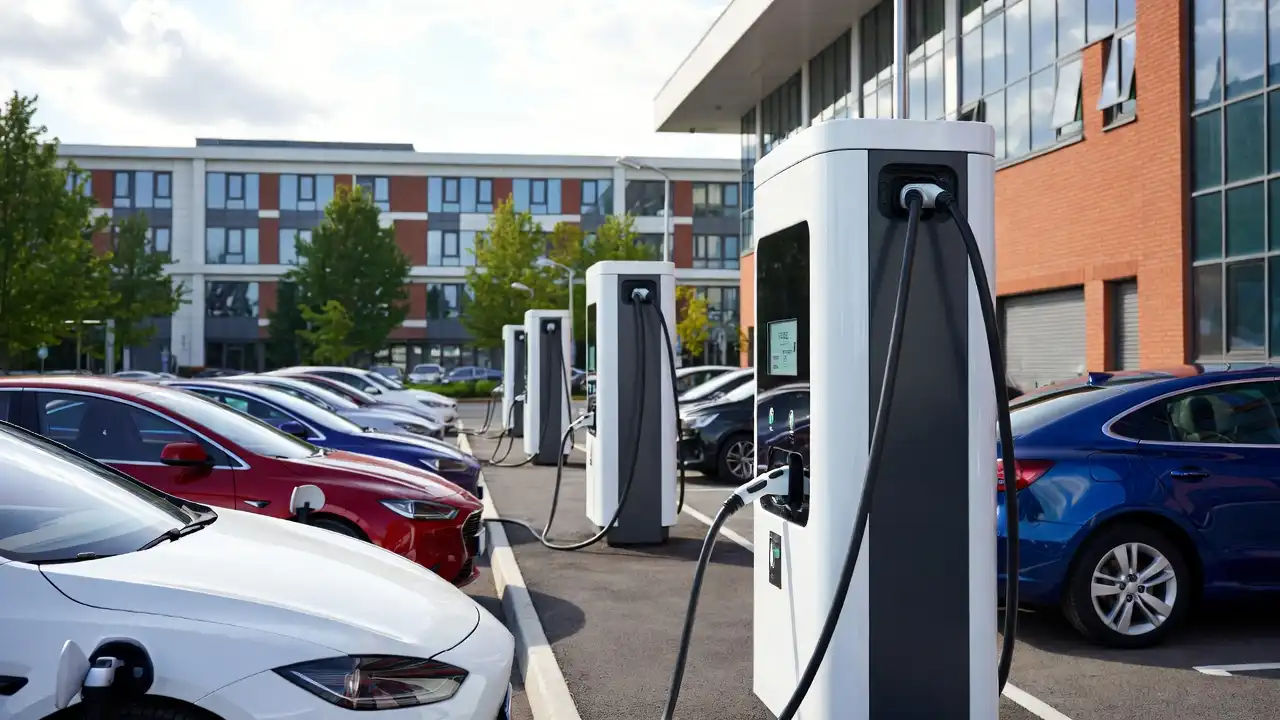
Electric vehicles (EVs) have emerged as an effective solution to the world’s growing transportation and environmental challenges. These innovative vehicles, powered by electricity stored in rechargeable batteries, present a greener and more sustainable alternative to traditional internal combustion engine vehicles. As concerns about climate change, air pollution, and fossil fuel depletion mount, the rise of electric vehicles marks a significant step toward a cleaner and more sustainable future.
Observation of Electric Vehicles
At the core of the EV revolution is the transition from carbon-based fossil fuels to electricity as the primary source of propulsion. Battery-electric vehicles (BEVs) use electricity stored in high-capacity batteries to power electric motors that drive the vehicle. Plug-in hybrid electric vehicles (PHEVs) combine an internal combustion engine with an electric motor, allowing the vehicle to operate on electricity and gasoline.
One of the most compelling advantages of electric vehicles is their environmental impact. EVs produce zero tailpipe emissions, improving air quality and reducing greenhouse gas emissions. As the global community strives to meet ambitious climate targets, adopting EVs is critical to mitigating the transportation sector’s environmental footprint.
Moreover, the operational cost of EVs is often lower than that of traditional vehicles fueled by gasoline or diesel. Electric vehicles have fewer moving parts, resulting in lower maintenance costs over their lifetime. Additionally, the cost of electricity is generally more stable and often cheaper than gasoline per mile. Government incentives and subsidies further encourage the adoption of EVs by offsetting initial purchase costs.
Battery technology is a focal point of EV development, and substantial advancements have been made. EVs now offer longer ranges per charge, alleviating “range anxiety” for consumers. Additionally, faster charging infrastructure and technologies are being deployed, significantly reducing charging times and improving the convenience of EV ownership.
Charging infrastructure plays a vital role in the widespread adoption of EVs. Governments and private companies invest heavily in expanding charging networks, including fast chargers along highways and convenient charging stations in urban areas. Home charging solutions are also becoming more accessible, allowing EV owners to charge their vehicles overnight.
However, challenges remain. EVs face limitations related to range, charging infrastructure, and upfront costs. While range anxiety is diminishing, public perception and education regarding the practicality and benefits of EVs remain crucial for widespread adoption.
Electric Vehicle Market
The Techgolly market analysis team estimates that the global Electric Vehicle market was valued at least USD 875 billion in 2026 and is projected to reach USD 3327.59 billion by 2035. Growth will continue at a compound annual growth rate (CAGR) of 14%-16% from 2026 to 2035.
Conclusion
Electric vehicles are at the forefront of the shift toward sustainable transportation. They present a tangible solution to reduce pollution, combat climate change, and enhance energy security. Integrating electric vehicles into our daily lives will undoubtedly accelerate as technology advances and infrastructure improves, fostering a cleaner and more sustainable future for future generations.