Key Points:
- Alibaba submitted a $1.5 billion bid to acquire Chinese grocery delivery service Pupu.
- The bid is more than double a competing $600 million proposal from Sun Art Retail.
- Pupu operates a 30-minute dark-store delivery network generating 30 billion yuan annually.
- The transaction comes amid intensifying competition and regulatory scrutiny in China’s e-commerce sector.
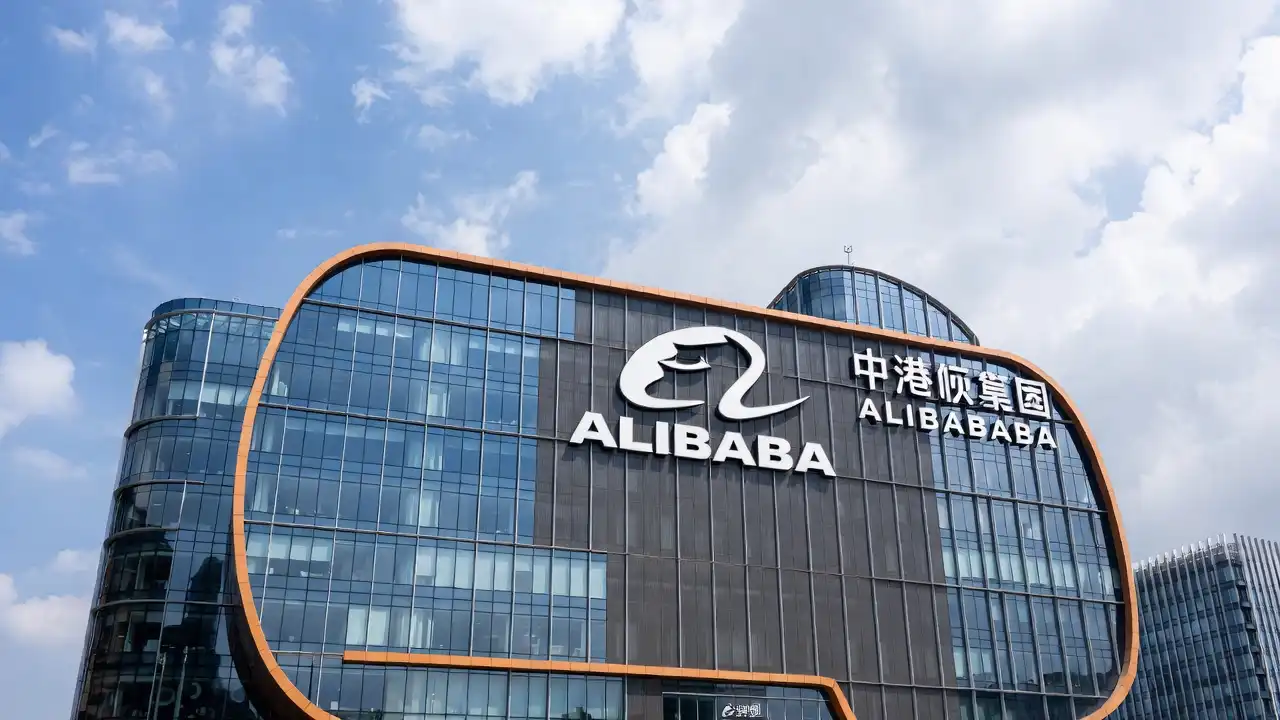
Alibaba’s $1.5 Billion Play to acquire Chinese grocery delivery platform Pupu has kicked off a massive bidding war as the e-commerce giant scrambles to capture market share from local commerce rival Meituan. The bold, premium offer targets one of the last remaining independent assets of scale in China’s highly lucrative fresh produce and instant retail sector. By pursuing this significant acquisition, the Hangzhou-based technology titan seeks to consolidate its position in a rapidly consolidating market, where delivery speed and supply-chain depth determine industry leadership.
The premium $1.5 billion proposal represents a massive premium that has effectively silenced other potential buyers. Alibaba’s bid is more than double a competing $600 million offer from Sun Art Retail, a former affiliate of the company that is now backed by private equity firm DCP Capital. This aggressive move emerged just months after rival Meituan agreed to pay $717 million to acquire national online grocer Dingdong Fresh, a transaction that still awaits antitrust approval from Beijing’s market regulators. By offering twice the amount for a regional operator, the company has signaled its determination to block competitors from gaining a decisive geographical advantage.
While relatively unknown outside of South China, Pupu represents a highly coveted strategic prize within the local commerce ecosystem. Based in the affluent Fujian province, the online grocer operates a highly dense 30-minute delivery network spanning roughly 10 key cities across four provinces, including Guangdong, Sichuan, and Hubei. The platform operates on a “front-warehouse” or dark-store model, embedding micro-fulfillment centers directly within residential neighborhoods rather than running traditional retail storefronts. This infrastructure generates an annual revenue exceeding 30 billion yuan (approximately $4.2 billion), making it a highly attractive plug-and-play asset.
For the purchasing giant, acquiring Pupu represents a massive shortcut to last-mile density and cold-chain logistics. Gaining access to Pupu’s dark-store network provides an immediate shortcut to warehouse density, supplier relationships, and cold-chain logistics. Building a comparable logistics network from scratch would normally take competitors years of capital-intensive development, requiring them to build out local supply lines and recruit thousands of riders. By buying a platform that already commands a deeply loyal base of daily users, the e-commerce giant can immediately plug Pupu’s 30-minute network into its expanding Taobao Instant Commerce and Ele.me systems, drastically improving its unit economics.
This aggressive bidding occurs after a highly destructive, “involution-style” price war that has cost the big three—Alibaba, Meituan, and JD.com—over 150 billion yuan in combined subsidies over the past year. Daily order volumes crossed 200 million at the peak, but it came at a high cost, with platforms losing up to 6 yuan per order. This destructive competition has severely compressed corporate profit margins across the entire Chinese tech sector. The proposed acquisition reflects a wider industry realization that fresh grocery e-commerce no longer exists as an independent track, but must operate as a vital, integrated component of a broader, full-service local commerce ecosystem.
The bidding war arrives at an awkward moment of regulatory pressure in China. The Beijing branch of the State Administration for Market Regulation (SAMR) recently summoned Alibaba, JD.com, and others over false advertising during the 618 shopping festival. Regulators have explicitly warned companies to abandon anti-competitive behavior, meaning a potential acquisition of Pupu will face intense antitrust scrutiny due to market concentration concerns. While market consolidation could help ease this competitive pressure, it also concentrates more power in the hands of a small number of dominant platforms. This market concentration could potentially clash with Beijing’s ongoing efforts to promote healthy market competition.
To compound the company’s challenges, Washington recently added Alibaba, BYD, and Baidu to its list of companies linked to the Chinese military. The updated list now covers 188 Chinese firms, up from 134 in 2025. This designation bars listed firms from U.S. defense contracts, adding geopolitical friction to the company’s financial balance sheets. Alibaba called the designation baseless and said it would pursue legal action to challenge it. The ongoing tension between Washington and Beijing highlights the growing complexity of international trade for Chinese technology champions.
The high-stakes $1.5 billion bid for Pupu marks a permanent turning page for China’s instant retail market. By shifting its strategy from subsidy-led platform warfare to building physical, vertically integrated supply chains, Alibaba is attempting to build a highly defensible local commerce flywheel. As the transaction heads toward a complicated regulatory review, the success of this acquisition will determine whether the company can successfully outpace its rivals or if the high costs of the ongoing delivery war will continue to drag down its bottom-line profitability.