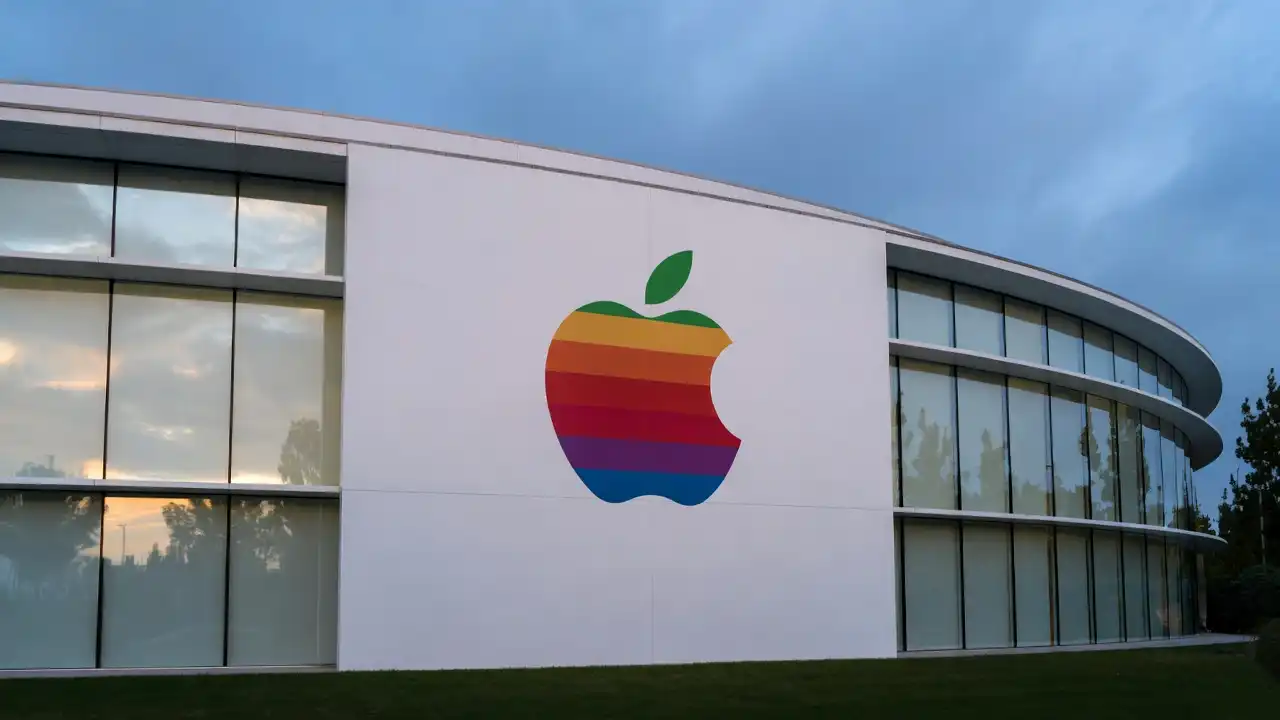
The relationship between technology and the global entertainment industry has shifted permanently. For years, tech giants treated streaming platforms as supplementary features designed solely to drive hardware sales. Today, digital services have evolved into massive creative ecosystems that challenge established Hollywood studios. At the center of this transformation is Apple, which is refining its entertainment footprint to focus on high-budget films, premium television series, and live sports broadcasting.
At the Cannes Lions International Festival of Creativity in France, Apple Senior Vice President of Services and Health Eddy Cue was named the 2026 Entertainment Person of the Year. While accepting the honor, Cue laid out the future of Apple TV+ and the company’s broader media strategy. Rather than attempting to match the sheer volume of competitors like Netflix, Disney+, or Amazon Prime Video, Apple is committing to a highly curated model. Cue stated that Apple aims to deliver “better and more” TV shows and movies for both its streaming platform and traditional movie theaters, emphasizing a philosophy of quality over quantity.
This strategic evolution comes at a pivotal moment for Apple. As the company navigates a leadership transition and intense regulatory pressure on its broader services business, its media and entertainment division has emerged as a key driver of both cultural influence and brand loyalty. By prioritizing premium theatrical releases, pioneering new cinematic technologies, and expanding into live sports, Apple is attempting to cement its position as a true Hollywood powerhouse.
The Core Strategy of Quality Over Quantity
When Apple TV+ launched in November 2019, industry observers were skeptical that a hardware-focused company could successfully produce award-winning narrative content. Apple chose to build its platform entirely on original programming, avoiding the expensive library acquisitions that defined its rivals. Six years later, that premium focus has earned the platform critical acclaim and a reputation as a home for prestigious storytelling.
Placing Narrative Craft Before High Volume
Eddy Cue made it clear that Apple has no intention of flooding its platform with low-budget, high-volume content. During his keynote conversation at the Lumière Theatre in Cannes, Cue emphasized that “it is all about the story.” He explained that Apple’s creative philosophy revolves around giving talented storytellers the resources and freedom they need to produce their best work.
This emphasis on narrative craft is reflected in the critical reception of Apple’s library. Since its inception, Apple TV+ has accumulated more than 840 award wins and over 3,600 nominations across its films and series. The streamer made history by securing a Best Picture Oscar for the film “CODA,” and it continues to draw high audience engagement with returning hits like “Ted Lasso,” “Shrinking,” and “For All Mankind.” By positioning itself as a premium brand that prioritizes quality, Apple has successfully attracted top-tier creative talent who want to work within a highly supportive ecosystem.
The Double-Platform Strategy for Streaming and Theaters
A critical element of Apple’s modern film strategy is its commitment to traditional theatrical releases. Many streaming services choose to release their films directly to their digital platforms or offer only limited theatrical runs to satisfy award eligibility rules. Apple, however, is taking a different approach by partnering with established theatrical distributors to give its major films wide, global releases in movie theaters before they migrate to Apple TV+.
Cue explained that this double-platform approach serves two important purposes. First, a wide theatrical release turns a movie into a massive cultural event, generating significant marketing buzz and driving audience interest. Second, the theatrical window does not compromise the film’s eventual success on Apple TV+; instead, it enhances it. Audiences who miss the film in theaters are highly motivated to subscribe to the streaming service to watch it at home. This hybrid model allows Apple to maximize box office revenues while continuing to build a valuable digital library for its subscribers.
High-Octane Cinematic and Sports Expansions
To support its double-platform model, Apple is investing heavily in massive, high-budget productions that leverage cutting-edge technology. The company is also moving deeper into the live sports market, recognizing that live events are one of the few content categories that can reliably attract millions of concurrent viewers in a highly fragmented media landscape.
Driving the F1 Movie Sequel with Jerry Bruckheimer
One of the most visible examples of Apple’s high-budget film ambitions is the racing movie “F1” starring Brad Pitt. Directed by Joseph Kosinski and produced by legendary filmmaker Jerry Bruckheimer, the film carried a production budget of more than $200 million. To capture the terrifying realism of Formula One racing, Apple’s engineering teams collaborated with the filmmakers to design custom, miniaturized cameras that could be mounted directly inside the cockpits of actual racing cars traveling at speeds of over 200 miles per hour.
During his appearance at Cannes Lions alongside Bruckheimer, Cue teased that a sequel to “F1” is already highly likely. He noted that Brad Pitt is incredibly enthusiastic about the project and is eager to get back into the racing cars. The first film’s successful theatrical run demonstrated that audiences are hungry for high-fidelity, tech-driven spectacles on the big screen. By investing in these massive, technologically complex projects, Apple is showing that it can deliver theatrical blockbusters that rival any legacy studio in Hollywood.
Expanding Live Sports Broadcast Rights Globally
Beyond traditional films and television series, live sports have become a cornerstone of Apple’s services strategy. The company has already secured exclusive U.S. broadcast rights for Major League Soccer through its MLS Season Pass, as well as Friday Night Baseball packages in partnership with Major League Baseball.
During his discussions in France, Cue expressed a strong desire to expand Apple’s sports portfolio on a global basis. He noted that sports licensing is traditionally highly fragmented, with different networks holding rights in different countries. Apple aims to challenge this legacy model by securing comprehensive, global rights packages that allow fans around the world to watch their favorite sports through a single, unified app. While acquiring global rights is an incredibly complex and expensive undertaking, Apple’s massive financial resources make it one of the few companies capable of executing such a strategy.
The Financial Landscape of Apple Services
Apple’s aggressive entertainment investments are funded by a highly profitable services segment. As hardware markets mature and smartphone replacement cycles lengthen, Apple has increasingly relied on subscriptions, advertising, cloud storage, and digital payments to drive its long-term revenue growth.
Record-Breaking Services Revenue and Ecosystem Scale
The financial strength of Apple’s Services division provides the company with a massive advantage over traditional media companies. In the second quarter of fiscal 2026, Apple’s Services segment generated a record-breaking $30.98 billion in revenue, representing a 16.3% increase year over year. Services now account for 27.9% of Apple’s total net sales, making it the company’s second-largest business segment behind the iPhone.
This rapid growth is supported by an active install base of more than 2.5 billion devices worldwide. Every iPhone, iPad, Mac, and Apple TV sold represents an entry point into Apple’s digital ecosystem. By offering high-quality entertainment services like Apple TV+, Apple Music, and Apple Arcade, the company can successfully monetize this massive user base. The consistent cash flow generated by App Store fees, iCloud subscriptions, and digital advertising gives Apple the luxury of funding expensive, long-term creative projects without facing the immediate financial pressures that plague traditional, standalone streaming services.
Managing Production Budgets Amid Tech-Industry Pressures
Despite its vast financial resources, Apple is not writing blank checks to Hollywood producers. After spending an estimated $20 billion on original films and television series since 2019, the company is beginning to exert more discipline over its production budgets.
Eddy Cue has reportedly held regular meetings with Apple’s studio heads, Zack Van Amburg and Jamie Erlicht, to review project spending. The goal is to ensure that massive budgets translate into strong subscriber engagement and critical acclaim. While Apple remains committed to funding ambitious, high-budget projects, the company is demanding greater fiscal responsibility from its creative partners. This balanced approach allows Apple to maintain its reputation for premium quality while protecting its profit margins in an increasingly competitive economic environment.
Navigating Antitrust Scandals and Transition Under New Leadership
As Apple expands its footprint in the entertainment and services sectors, it faces significant operational and regulatory hurdles. The company is currently managing a major transition in its executive suite while defending its highly integrated ecosystem against global antitrust regulators.
The Walled Garden Under Fire with the $4 Billion iCloud Lawsuit
While Apple celebrates its creative achievements in Cannes, its services business is facing intense regulatory scrutiny in Europe. In June 2026, the United Kingdom’s Competition Appeal Tribunal greenlit a massive class action lawsuit against Apple, valued at approximately $4 billion. The lawsuit, filed on behalf of nearly 40 million UK consumers, alleges that Apple has unfairly “trapped” users in its iCloud ecosystem.
The legal claim argues that Apple uses technical restrictions to prevent users from easily backing up their devices to third-party cloud storage providers. By tightly integrating iCloud into the iOS operating system and charging premium rates for storage upgrades, Apple allegedly stifles competition and overcharges its customers. If the lawsuit is successful, it could force Apple to open up its iOS operating system to rival services, threatening a key source of its recurring services revenue. This legal battle highlights the growing tension surrounding Apple’s “walled garden” strategy, where deep integration drives both user convenience and antitrust concerns.
A Seamless Executive Hand-off under John Ternus
At the same time, Apple is undergoing a significant leadership transition. Longtime executive John Ternus has stepped into the role of incoming Chief Executive Officer, succeeding Tim Cook. This transition has raised questions among investors and Hollywood executives about whether Apple will remain committed to its expensive entertainment and media ventures under new leadership.
Eddy Cue sought to reassure the industry during his appearance in Cannes, confirming that John Ternus is a strong, passionate advocate for Apple’s creative projects. Ternus’s support ensures that Apple’s entertainment division will continue to receive the top-level backing and capital it needs to thrive. With a stable executive transition and a clear strategic vision, Apple is well-positioned to navigate the changing media landscape and continue its aggressive push into premium content.
The Road Ahead for Tech-Powered Entertainment
The intersection of technology and entertainment has never been closer. By focusing on prestigious storytelling, leveraging cutting-edge camera technologies, and expanding its live sports broadcast rights, Apple is carving out a unique position in the global media landscape. The company’s massive active device ecosystem and record-breaking services revenue provide a stable financial foundation that traditional Hollywood studios simply cannot match.
While regulatory challenges and budget discipline will require careful management, Apple’s commitment to premium, curated entertainment remains clear. As Eddy Cue demonstrated at Cannes Lions, Apple is no longer just a hardware company trying its hand at entertainment; it has become an influential, award-winning force that is actively redefining how stories are told, distributed, and experienced in the digital age.