Key Points:
- AT&S is investing up to €2 billion ($2.3 billion) to expand its chip substrate capacity in Malaysia.
- The expansion is fully funded and backed by long-term customer commitments from AMD and Intel.
- Following the announcement, the company’s stock jumped nearly 30 percent to a record high of €200.
- AT&S raised its 2026/27 revenue growth forecast to a range of 45 percent to 55 percent.
AT&S Invests €2 Billion ($2.3 billion) in Malaysia to expand its advanced chip substrate manufacturing capacity, capitalizing directly on the explosive global artificial intelligence boom. The Austria-headquartered printed circuit board and semiconductor substrate specialist announced the massive investment after securing long-term funding commitments from major global technology clients. Following the announcement, the company’s stock soared by nearly 30% in European trading, hitting an all-time record high of €200 as investors rushed to back the firm’s strategic expansion.
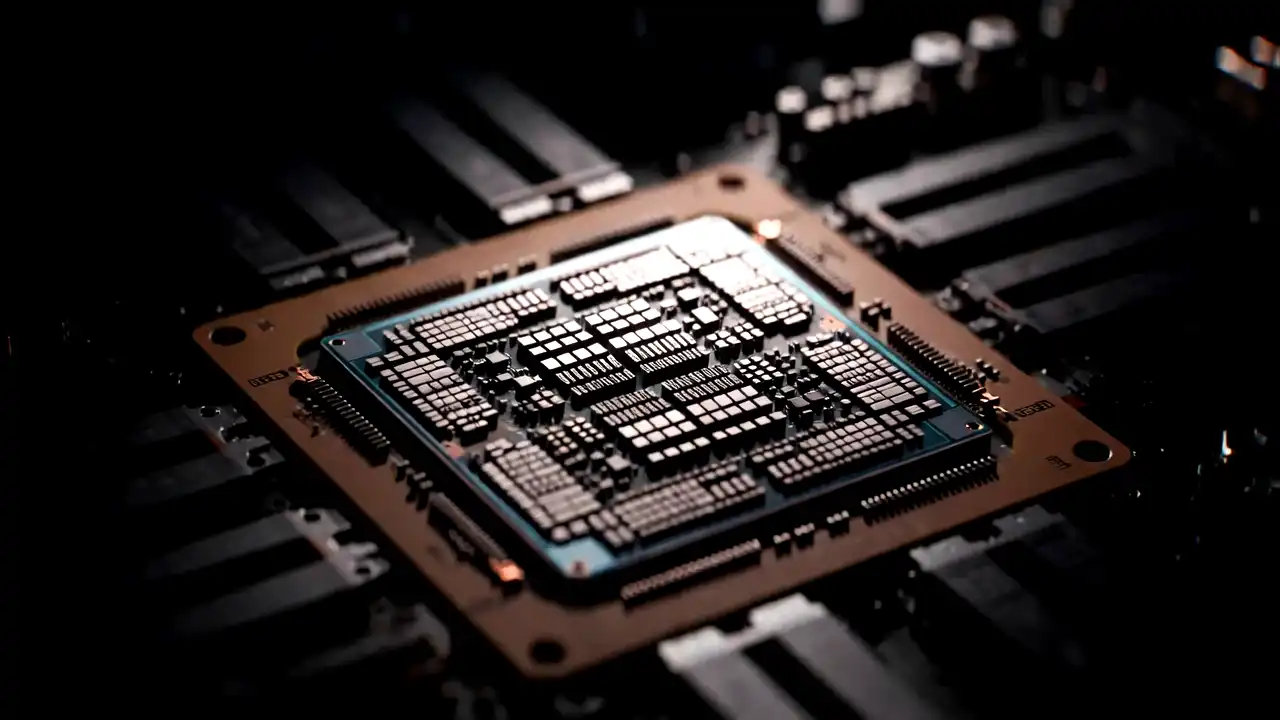
High-end integrated circuit (IC) substrates form the unglamorous but highly essential foundation of modern semiconductor packaging. They act as the physical, engineered base that carries advanced silicon processors, establishing millions of microscopic electrical connections between the chip and the broader circuit board. As artificial intelligence models and high-performance computing (HPC) chips grow increasingly complex, they require massive, multi-chiplet packaging structures. This structural shift has triggered a severe global bottleneck in substrate manufacturing, turning specialized suppliers like the Austrian firm into vital gatekeepers of the AI revolution.
The company plans to deploy this massive capital investment to fully expand its state-of-the-art manufacturing site in Kulim, located in the northwestern Kedah state of Malaysia. Building on the successful high-volume manufacturing ramp-up of its first plant on-site, the expansion includes fitting out the existing structure of its second plant and bringing a previously unused building into active production. By maximizing its existing physical footprint, the firm can rapidly scale up its advanced IC substrate production lines without the long delays associated with greenfield construction.
To mitigate the financial risks of this rapid expansion, the company secured long-term, legally binding customer commitments that fully support and finance the €2 billion investment. The firm officially confirmed strategic agreements with U.S. chipmaker AMD and another unnamed leading technology giant. However, industry insiders and supply chain trackers widely report that the second major client is semiconductor giant Intel. Chief Executive Officer Michael Mertin stated that the company expects to eventually represent at least five of the world’s leading high-tech firms as long-term technology partners in Malaysia.
On the strength of these major customer agreements, the company raised its financial performance forecasts for the 2026/27 fiscal year. The firm now expects currency-adjusted revenue growth to hit a range of 45% to 55%, up significantly from its previous projection of 30% to 35%. Additionally, the company boosted its projected EBITDA margin to a range of 32% to 37%, up from 25% to 29%. To fund this aggressive acceleration, the firm increased its capital expenditure forecast to a range of €1.0 billion to €1.2 billion, while still projecting a highly positive operating free cash flow.
While the upward financial revisions painted a highly optimistic picture for long-term growth, the company is maintaining strict financial discipline to protect its balance sheet. Mertin announced that the board of directors will likely suspend dividend payments for the current and subsequent fiscal years. By retaining on-balance-sheet cash and reinvesting all earnings directly back into the Kulim expansion, the company avoids over-leveraging itself during this capital-intensive phase, ensuring that customer prepayments and operating cash flows fund the bulk of the construction.
While Malaysia remains the primary hub for the company’s advanced packaging expansion, the firm is also scaling up its manufacturing footprint in East Asia. The company announced plans to expand production capacity at its massive facility in Chongqing, China, to meet rapidly growing demand from another key, unnamed technology client. By balancing its manufacturing operations across both Malaysia and China, the semiconductor manufacturer successfully diversifies its regional supply chains, helping its global clients mitigate the risks of geopolitical friction between Washington and Beijing.
The massive investment and the subsequent 30% stock surge demonstrate that the global artificial intelligence boom is driving a historic, structural realignment of the technology supply chain. By securing long-term capital commitments from the world’s most powerful chip designers to build out its Kulim facilities, the company has established a highly secure and profitable growth engine. As the first shipments from its newly expanded plants prepare to enter the market, this massive, multi-billion-dollar expansion will play a critical role in satisfying the global hunger for high-performance AI computing.