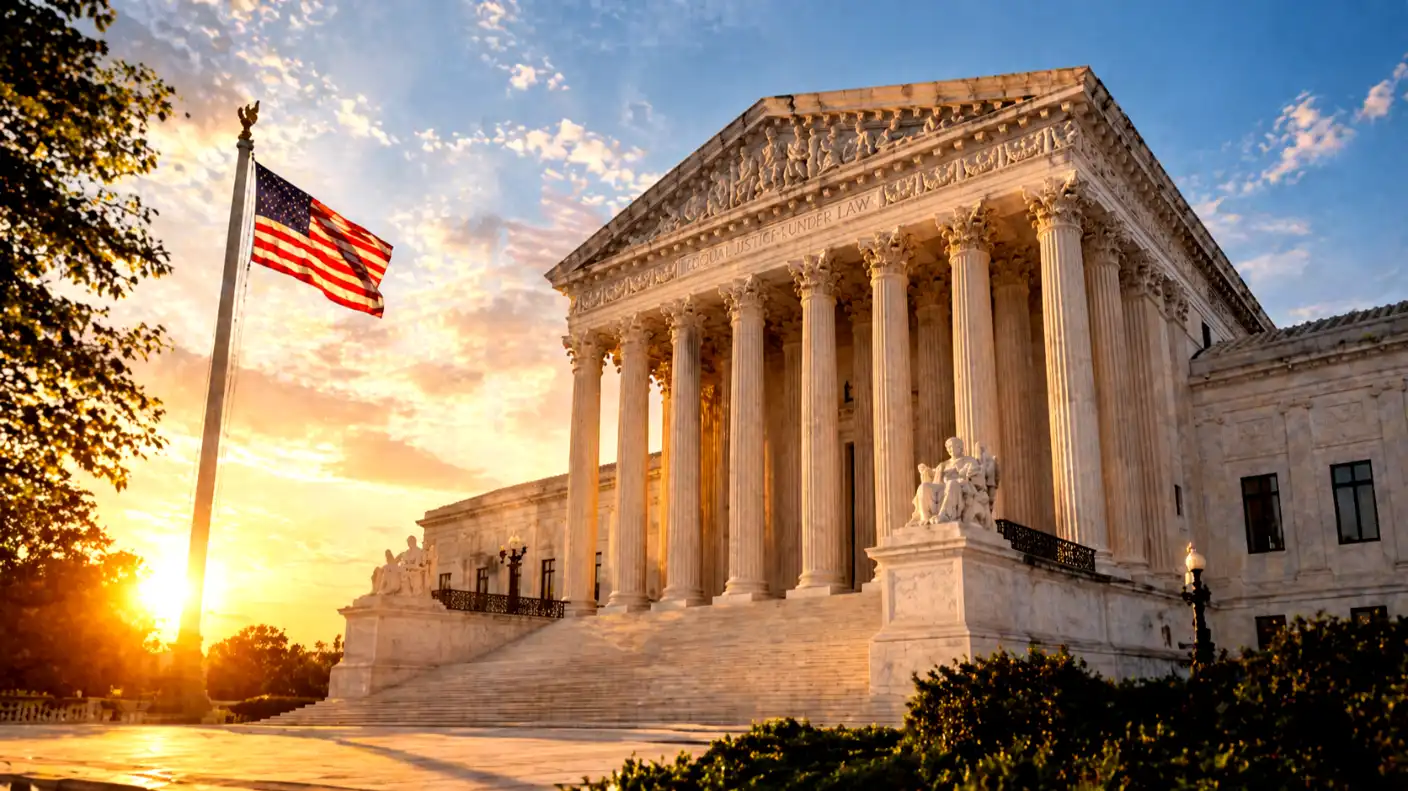
The legal net is tightening around the world’s largest chemical manufacturers. In a major escalation of the war against environmental pollution, New York has launched a massive legal offensive against the legacy giants of the chemical industry. The state’s Attorney General, Letitia James, filed a comprehensive lawsuit in the Albany County Supreme Court, targeting some of the nation’s largest corporate entities.
The lawsuit names 3M Company, DuPont de Nemours, EIDP (formerly known as E. I. du Pont de Nemours and Company), The Chemours Company, and Corteva as defendants. The 74-page complaint accuses these corporations of knowingly manufacturing, marketing, and selling everyday consumer goods laced with toxic per- and polyfluoroalkyl substances, widely known as PFAS or “forever chemicals.”
This litigation represents a dramatic shift in how governments are pursuing chemical polluters. For years, legal actions primarily targeted contamination near manufacturing plants and military bases. This new lawsuit, however, directly targets the retail consumer goods that sat on the shelves of supermarkets and department stores across New York for decades.
The state is demanding that these multi-billion-dollar corporations fund statewide environmental cleanups, place clear warning labels on products containing these chemicals, halt all deceptive marketing, and pay substantial damages, restitution, and civil penalties. New York’s top legal officer is attempting to force these corporate giants to pay for a crisis they allegedly spent fifty years hiding from the public.
The New Battleground: Forever Chemicals in Everyday Consumer Goods
PFAS are a class of thousands of synthetic, carbon-fluorine-based chemicals. Since their development in the mid-20th century, companies have prized these chemicals for their unique ability to repel oil, water, grease, and heat. This resistance to outside elements made them highly valuable ingredients in a staggering array of household products.
The lawsuit alleges that for decades, 3M and DuPont flooded the consumer market with PFAS-laden items. These included non-stick cookware, stain-resistant carpets, cosmetics, clothing, and food packaging. The state argues that as consumers used, washed, and ultimately discarded these products, they released toxic chemicals directly into New York’s environment. Today, PFAS pollute the water New Yorkers drink, the soil that grows their crops, the fish they catch, and the air they breathe.
The state of New York argues that the presence of these chemicals constitutes a public nuisance. It claims the defendants knew their chemical formulations would slowly leach into the state’s natural resources, causing permanent damage. By filing this lawsuit in Albany, the capital of New York, the state is seeking to hold the manufacturers directly responsible for the costs of municipal water treatment, soil remediation, and public health tracking.
Unmasking the Half-Century Cover-Up
The core of the legal argument rests on the claim that these companies acted with clear knowledge of the dangers. The lawsuit alleges that internal corporate documents and laboratory studies dating back to the 1970s proved that these chemicals were highly toxic.
According to the complaint, corporate scientists discovered decades ago that PFAS accumulate in the bodies of humans and animals and do not break down in the environment. Despite possessing this internal data, the manufacturers allegedly hid their findings from government regulators, scientific communities, and the general public. Instead of phasing out the substances or warning consumers, they continued to expand production to maximize corporate profits.
Even when public pressure and regulatory scrutiny forced companies to phase out older, notorious variants of PFAS, the state alleges they engaged in a corporate shell game. They allegedly replaced the banned substances with slightly modified, shorter-chain PFAS alternatives, such as GenX. The lawsuit claims these replacement chemicals pose similar environmental and biological risks, meaning the manufacturers knowingly perpetuated a cycle of toxic contamination.
The Biology of Bioaccumulation: Why PFAS Do Not Break Down
The scientific reason why PFAS are so dangerous lies in their molecular structure. The carbon-fluorine bond is one of the strongest chemical bonds in organic chemistry. This bond makes the chemicals virtually indestructible under normal environmental conditions, earning them the “forever chemicals” moniker.
When humans consume water or food contaminated with these chemicals, the body cannot easily metabolize or excrete them. Instead, they bind to proteins in the blood, liver, and kidneys, building up in concentration over time.
Epidemiological studies have linked chronic exposure to even trace amounts of PFAS to severe medical conditions. These include kidney and testicular cancers, thyroid diseases, liver damage, developmental delays in children, low birth weights, and reduced antibody responses to vaccines. Pregnant women exposed to PFAS face a higher risk of gestational hypertension and preeclampsia, making these chemicals a profound threat to maternal health.
From Non-Stick Cookware to Stain-Resistant Rugs: The Scope of Contamination
The lawsuit traces the path of these chemicals from the laboratory to the living room. DuPont’s Teflon coatings, introduced to kitchens in the 1960s, revolutionized home cooking but left a legacy of environmental persistence.
Similarly, the complaint highlights DuPont’s Stainmaster carpet line, which the company sold nationally from 1986 to 2004. This carpeting relied on heavy applications of PFAS to repel household spills.
Meanwhile, 3M marketed Scotchgard, a popular spray-on treatment designed to protect fabric, upholstery, leather, and car interiors from liquid stains. The lawsuit asserts that these products, while highly functional, introduced an invisible toxic hazard into millions of homes. When consumers cleaned their carpets or washed their treated clothes, municipal wastewater treatment plants, which are not designed to filter out PFAS, discharged the chemical-laden water directly into New York’s rivers, lakes, and aquifers.
The Mounting Multi-Billion Dollar Legal Reckoning
This lawsuit is the latest wave in a massive tide of litigation threatening the financial foundations of the American chemical sector. Over the past few years, chemical companies have faced thousands of lawsuits from municipal water districts, state attorneys general, and individual citizens.
The financial liabilities are already reaching historic heights. In 2023, 3M reached a landmark national settlement with public water providers across the United States, agreeing to pay up to $12.5 billion over thirteen years to resolve claims of drinking water contamination.
During the same period, DuPont, Chemours, and Corteva agreed to a $1.18 billion settlement with drinking water systems. By the middle of 2026, the total value of national public water system settlements involving these companies had surpassed $14 billion, with more than 6,600 municipal systems filing claims to recover the massive costs of upgrading their filtration technology.
| Settlement / Lawsuit Details | Target Defendants | Financial Payout / Liability | Settlement Year |
| National Water Systems Settlement | 3M Company | Up to $12.5 billion | 2023 |
| National Water Systems Settlement | DuPont, Chemours, Corteva | $1.18 billion | 2023 |
| New Jersey Statewide Settlement | 3M Company | Up to $450 million | 2025 |
| New Jersey Legacy Sites Settlement | DuPont, Chemours, Corteva | Up to $2 billion | 2025 |
| Federal River Pollution Settlement | The Chemours Company | $450 million | 2026 |
The legal pressure continued to escalate. In May 2025, 3M agreed to pay the state of New Jersey up to $450 million to settle claims that its products contaminated drinking water supplies.
A few months later, in August 2025, DuPont, Chemours, and Corteva announced a massive $2 billion agreement with New Jersey to resolve legacy environmental claims at four historic manufacturing facilities. This settlement required the companies to pay $875 million over 25 years and establish a remediation fund of up to $1.2 billion.
More recently, in June 2026, Chemours finalized a $450 million federal settlement with the US Environmental Protection Agency and West Virginia regulators to resolve allegations of illegal PFAS discharges into major waterways, including the Cape Fear, Delaware, and Ohio rivers.
The Shift from Factory Pollution to Consumer Product Liability
The New York lawsuit signals a fundamental transformation in environmental litigation. Historically, companies successfully insulated themselves from liability by arguing that contamination was a localized issue confined to the immediate vicinity of their chemical plants. They argued that once a product left their factory gates, they could not control how consumers used or disposed of it.
New York’s legal team is challenging this defense. By focusing on consumer products like cosmetics and cookware, the lawsuit establishes a direct link between corporate design decisions and the systemic contamination of a state’s entire ecosystem.
If New York prevails, it could create a powerful legal precedent. It would open the door for other states to sue chemical manufacturers for the environmental damage caused by the ordinary use of everyday retail items. This shift expands the potential pool of plaintiffs to include every state, county, and major city in the country, raising corporate liability to unprecedented levels.
Splitting the Financial Burden: Corporate Spinoffs and Legacy Debt
The current corporate structures of these defendants complicate the legal landscape. In 2015, DuPont spun off its performance chemicals division into a separate, publicly traded entity called The Chemours Company. Legal analysts have long argued that this spinoff was a strategic attempt by DuPont to distance itself from its mounting legacy environmental liabilities.
Corteva was later created as an independent agricultural company during the DowDuPont restructuring. As these spinoffs triggered intense litigation over fraudulent asset transfers, the companies eventually negotiated a binding cost-sharing agreement to divide future PFAS liabilities.
Under these internal agreements, Chemours typically covers 50% of the cost of specified legacy liabilities, while DuPont covers 35.5%, and Corteva pays the remaining 14.5%. However, the sheer volume of lawsuits threatens to overwhelm these financial arrangements.
State regulators and environmental groups have expressed concerns that some of these spun-off entities may eventually seek bankruptcy protection if court judgments exceed their assets. To mitigate this risk, the New Jersey settlement in 2025 forced the companies to establish a third-party-managed $475 million reserve fund, ensuring that cleanup operations will continue even if one of the companies faces financial insolvency.
The Toxic Legacy Left in New York’s Water and Soil
New York has spent years dealing with localized PFAS crises. Communities like Hoosick Falls, Newburgh, and portions of Long Island have gained national attention for extreme levels of groundwater contamination.
In Hoosick Falls, a local plastics factory contaminated the municipal water supply with high levels of perfluorooctanoic acid (PFOA), forcing residents to rely on bottled water for years. In Newburgh, runoff of firefighting foam containing perfluorooctane sulfonate (PFOS) from a nearby Air National Guard base contaminated Washington Lake, the city’s primary drinking water source.
While these localized crises involved industrial sites, the state’s new lawsuit argues that consumer products have spread a baseline level of PFAS across every corner of New York. The Attorney General emphasizes that municipal water districts must spend millions of dollars to install granular activated carbon and high-pressure membrane filtration systems to comply with increasingly strict federal drinking water standards. By shifting the financial burden to 3M and DuPont, the state hopes to protect taxpayers from footing the bill for upgrading this water infrastructure.
Attorney General Letitia James made the state’s position clear: big corporations knowingly prioritized their quarterly profits over the health of millions of New Yorkers. The state argues that since these companies reaped billions of dollars in profits from selling these toxic goods, they must now bear the full financial burden of cleaning up the resulting mess.
Regulating the Indestructible: What Lies Ahead
The lawsuit comes amid a sweeping regulatory crackdown on PFAS at both the federal and international levels. Recently, the US Environmental Protection Agency established historic, legally enforceable national limits for six key PFAS chemicals in drinking water, forcing water systems across the country to conduct regular testing and implement advanced filtration systems if chemical levels exceed 4 parts per trillion.
Concurrently, the European Union is evaluating a proposal to implement a blanket ban on the manufacture, sale, and use of more than 10,000 individual PFAS chemicals. Individual states are not waiting for international consensus.
Over a dozen US states have already enacted legislation banning PFAS in specific consumer categories, such as cosmetics, food packaging, and textiles. These escalating bans, coupled with New York’s aggressive new lawsuit, suggest that the era of manufacturing and selling forever chemicals in the United States is rapidly drawing to a close.
As the lawsuit moves forward in the Albany County Supreme Court, the chemical industry faces a challenging path. Corporate attorneys will likely argue that the state’s claims are preempted by federal regulations, or that linking diffuse statewide contamination to specific retail products is scientifically impossible.
However, with decades of internal corporate memos and laboratory reports now in the hands of state prosecutors, the chemical giants are facing their most critical legal crisis to date. The outcome of New York’s legal challenge will reshape the consumer products industry, influence federal environmental policy, and dictate who pays for cleaning up the most persistent chemical pollution in human history.