Key Points:
- The Reserve Bank of Australia left its official cash rate target unchanged at 4.35 percent.
- This decision marks the first interest rate pause in 2026 after three consecutive hikes.
- The central bank warned that inflation remains too high and further rate increases remain on the table.
- Middle East energy disruptions and high fuel prices continue to add direct pressure to national inflation.
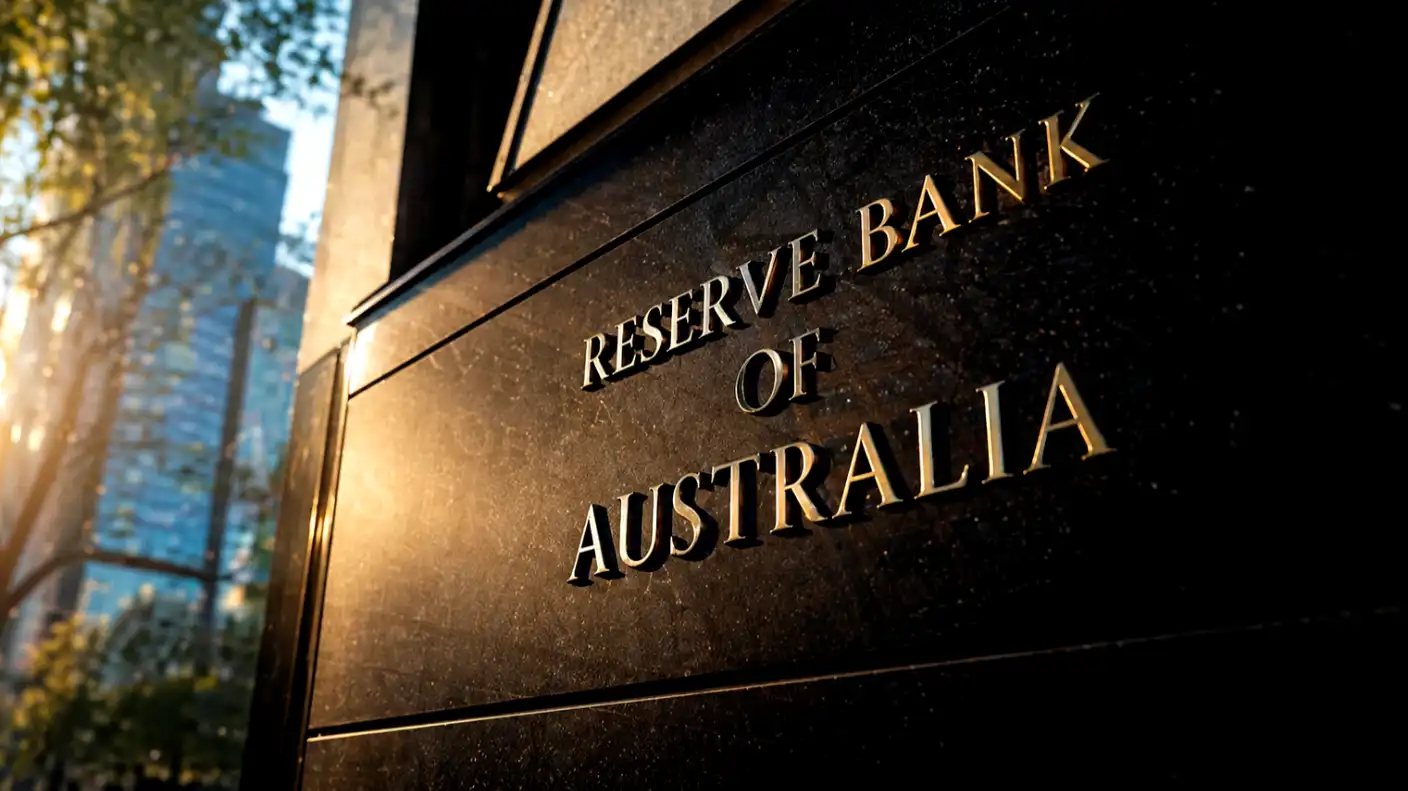
RBA Pauses Rate Hikes for the first time this year, choosing to hold Australia’s official cash rate target steady at 4.35% during its highly anticipated monetary policy meeting. The unanimous decision by the central bank’s rate-setting board brings brief, much-needed relief to millions of mortgage holders who have struggled under consecutive interest rate increases. However, the pause does not signal an end to the tightening cycle. In its accompanying policy statement, the central bank struck an exceptionally hawkish tone, warning that inflation remains too high and that the board stands ready to raise borrowing costs further if economic conditions require it.
This Tuesday’s decision marks a temporary halt to an aggressive monetary tightening campaign that began at the start of the year. Facing stubborn domestic and global cost pressures, the Reserve Bank of Australia (RBA) had previously enacted three consecutive 25-basis-point rate hikes in February, March, and May, forcing the benchmark cash rate to its highest level in over a decade. Sponsoring commercial banks had widely expected the board to take a breather at its June meeting to evaluate how those previous rate hikes are filtering through the real economy, but the board’s persistent hawkish language has kept financial markets on high alert.
While headline consumer price index (CPI) inflation fell from 4.6% in March to 4.2% in April, the overall progress toward the central bank’s long-coveted 2% to 3% target remains painfully slow. More concerningly, the bank’s preferred measure of underlying inflation—the annualized trimmed mean—actually reversed course, ticking up from 3.3% in March to 3.4% in April, representing its highest level in nearly two years. This underlying price stickiness proves that domestic capacity constraints and high service costs continue to fuel core inflation, preventing the board from declaring an early victory over rising prices.
The primary driver behind this persistent inflation is the ongoing geopolitical conflict in the Middle East, which has severely disrupted global energy markets. Although international oil prices have eased slightly in recent weeks, the prolonged near-closure of the critical Strait of Hormuz has kept wholesale fuel and shipping costs elevated compared to pre-war levels. The board warned that these high fuel prices are directly adding to national inflation and are actively passing through into the retail prices of other essential consumer goods and services, keeping overall living expenses high for some time.
The decision to hold rates also reflects clear, official indicators that the Australian economy has begun to hit the brakes. Data released recently by the Australian Bureau of Statistics showed that quarterly gross domestic product (GDP) grew by a meager 0.3% in the March quarter, down significantly from the 0.9% growth rate recorded in the December quarter. This economic slowdown correlates with a soft cooling of the local labor market, as the national unemployment rate rose to 4.5% over April, demonstrating that the central bank’s tight monetary settings are successfully suppressing domestic demand.
The cumulative impact of the previous interest rate hikes has placed immense financial strain on households, driving mortgage stress to record levels. Over the past two years, the average Australian household’s monthly mortgage repayments have climbed by more than $1,200, severely restricting disposable incomes and forcing families to scale back their discretionary spending. This retail weakness has rippled through the business community, dragging down retail sales, slowing commercial construction, and cooling the national housing market, with home prices beginning to fall in several capital cities.
The nation’s major commercial banks have quickly updated their interest rate forecasts following the central bank’s hawkish policy statement. Major lenders Commonwealth Bank, ANZ, and NAB now expect the cash rate to remain on hold at 4.35% well into next year, with the first potential interest rate cuts delayed until mid-2027. However, Westpac remains a prominent outlier, maintaining its forecast that persistent inflation risks will force the RBA to implement two further rate hikes in August and September, which would push the official cash rate to a painful peak of 4.85%.
Ultimately, the RBA’s decision to pause its rate hikes marks a critical, data-dependent turning page for the Australian economy. While the temporary rate hold provides a brief, much-needed breathing room for borrowers, the central bank’s uncompromising focus on price stability means that further rate hikes remain firmly on the table. Until the geopolitical energy crisis permanently clears, global shipping rates normalize, and domestic inflation falls back into the target band, Australian households and businesses must adapt to a high-cost, high-interest-rate landscape for the foreseeable future.