

Key Points:
- A devastating gas explosion at the Liushenyu coal mine in Shanxi Province has killed at least 82 workers.
- The blast occurred at 7:29 p.m. on Friday, trapping miners deep underground inside the shaft.
- Rescue teams are actively working through toxic gases and debris to locate any remaining survivors.
- Shanxi Province produces a massive share of China’s coal, making mine safety a top priority for national regulators.
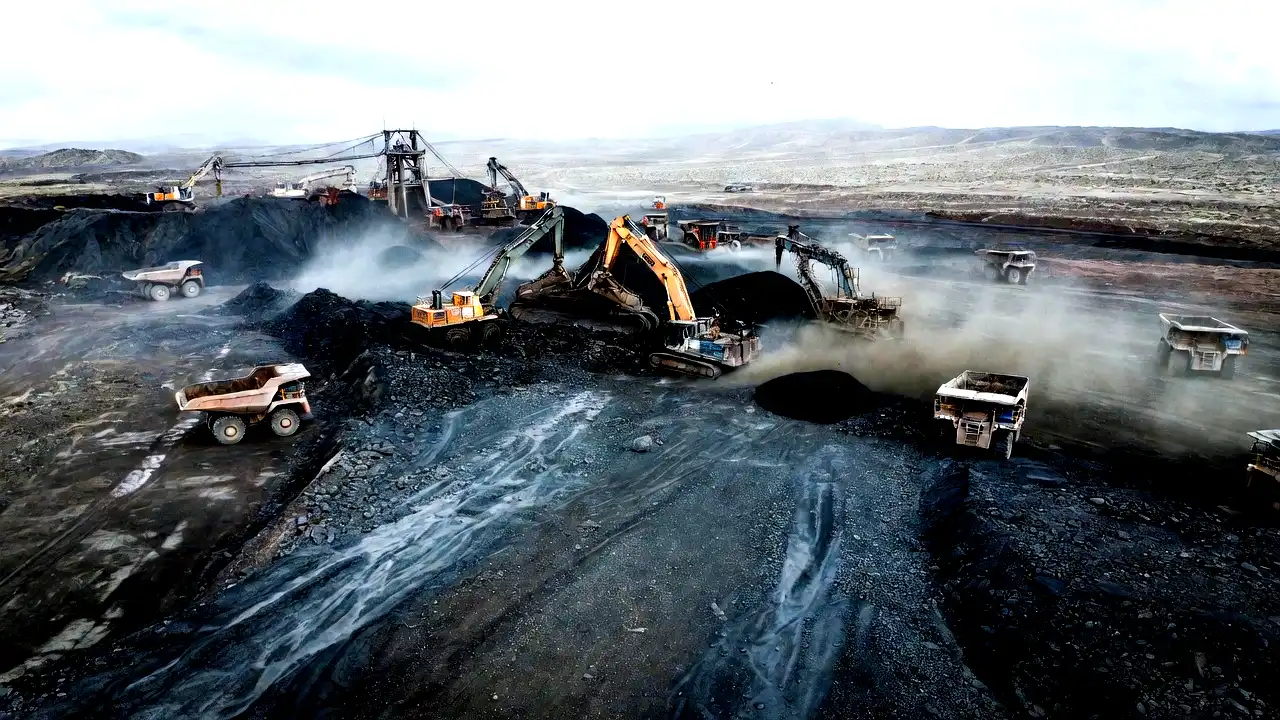
The death toll from a devastating coal mine accident in northern China has climbed to 82. A massive gas explosion ripped through the Liushenyu coal mine in Qinyuan County, located in the prominent coal-producing province of Shanxi. The blast occurred at exactly 7:29 p.m. on Friday, triggering an immediate, high-stakes emergency rescue operation that continues to run around the clock.
The explosion caught workers completely off guard deep underground. Methane gas typically builds up in coal seams, and a tiny spark can cause a catastrophic blast if ventilation systems fail. The explosion collapsed several tunnels in the mine shaft, trapping dozens of workers beneath hundreds of meters of rock and debris. Emergency services rushed to the site within minutes of the initial blast to coordinate the search.
Specialized mine rescue teams are currently working in highly dangerous conditions to reach the trapped miners. Rescuers must wear heavy breathing gear because the explosion filled the tunnels with toxic carbon monoxide and thick coal dust. Before teams can safely move deeper into the shafts, engineers must run massive ventilation fans to pump fresh air into the mine and clear out the explosive gases.
The rescue operation requires extreme care. Moving the collapsed rock and timber supports too quickly could trigger more cave-ins, endangering both the survivors and the rescue workers. Teams are using specialized thermal cameras and acoustic listening devices to detect any signs of life beneath the rubble. Every second counts as oxygen levels deplete inside the sealed pockets of the collapsed mine.
This tragedy highlights the dangerous nature of China’s coal sector. Shanxi Province operates as the undisputed heart of the country’s energy production. The region produces roughly 1.3 billion tonnes of coal annually, accounting for more than 25% of China’s total domestic coal supply. Because the country relies heavily on this fuel to run its power plants and factories, these mines operate under intense pressure to maintain high daily output.
To protect miners, China has spent years trying to clean up its coal industry. The government has closed thousands of small, illegally operated mines and forced larger state-owned operations to install advanced automated safety systems. These reforms have significantly lowered the number of annual mining deaths compared to the early 2000s, when thousands of workers died every year. However, disasters such as the Liushenyu explosion demonstrate that safety loopholes persist.
Local authorities have already launched a formal investigation into the cause of the Liushenyu accident. Investigators want to know whether the mine operators ignored safety warnings or failed to maintain proper gas-monitoring equipment. In similar past incidents, regulators found that companies disabled gas sensors or bypassed safety limits to keep the coal flowing. The government has promised to hold the mine’s owners criminally responsible if it finds evidence of negligence.
The tragedy has devastated the local community in Qinyuan County. Most families in the rural area rely on the mining industry for their livelihoods, with husbands, fathers, and sons working the dangerous underground shifts. Counseling teams and local officials have arrived at the site to support the grieving families as they wait for news. The government has also promised to deliver financial compensation to the families of the deceased workers.
This disaster will likely trigger a massive wave of safety inspections throughout Shanxi Province. National safety regulators often order temporary shutdowns of nearby mines following major fatal accidents. They require operators to conduct comprehensive safety checks and demonstrate that their gas ventilation systems operate perfectly before they can resume operations. While these inspections protect workers, they can also temporarily restrict local coal supply and push up domestic energy prices.
As the search continues in Qinyuan County, the window of survival is rapidly closing. The tragic loss of 82 lives serves as a painful reminder that coal mining remains one of the most hazardous jobs in the world. The government must continue to enforce strict safety laws and punish negligent owners to ensure that the people who power the nation’s economy do not have to pay for it with their lives.






