Key Points:
- South Korea signed an MoU with OpenAI to strengthen cooperation on advanced AI safety.
- The country is the fourth globally to partner with OpenAI, following the U.S., UK, and Japan.
- The collaboration will build a safety framework reflecting the Korean language and social context.
- This partnership follows South Korea’s entry into OpenAI’s elite cyber defense program, GTAC.
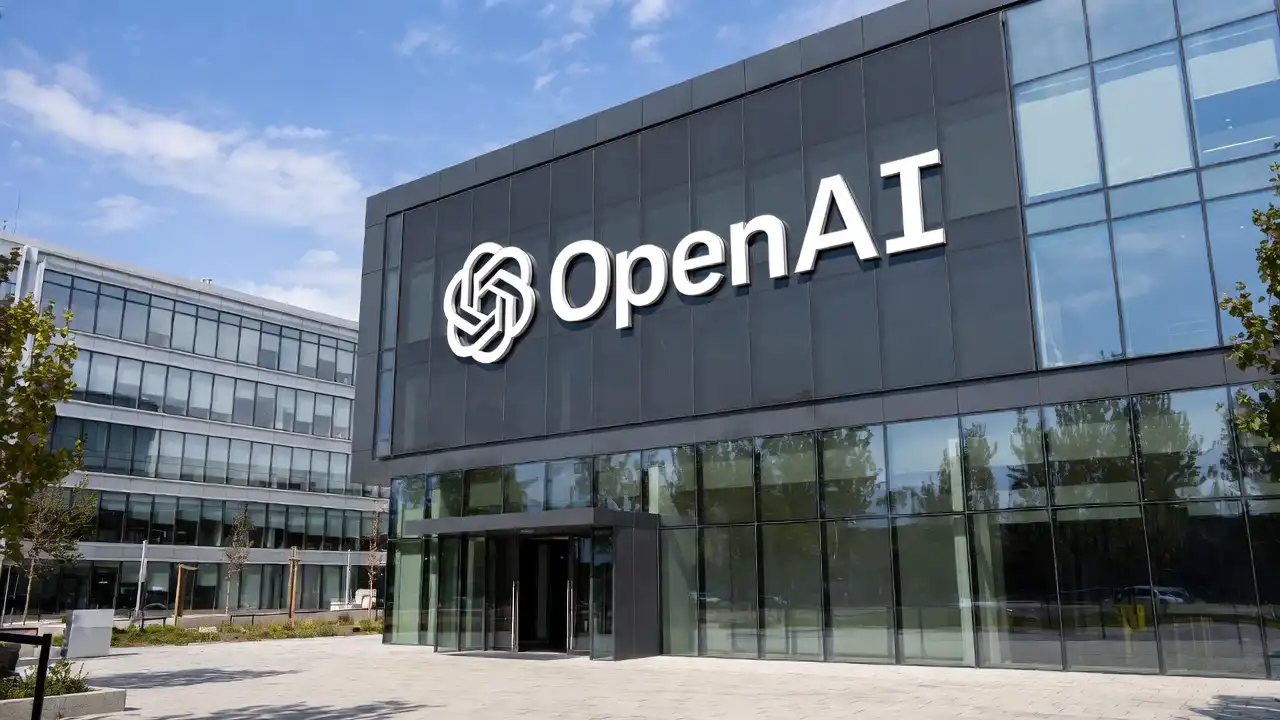
South Korea became the fourth country in the world to forge a formal partnership with OpenAI, joining the United States, the United Kingdom, and Japan in a widening international network. Under a newly signed memorandum of understanding (MoU), South Korea’s newly established AI Safety Institute (AISI) and the artificial intelligence giant will collaborate to evaluate high-risk systems. By establishing this formal framework, the East Asian nation intends to solidify its leadership role in creating global standards for risk verification and safety evaluations.
Under the terms of the agreement, signed at the Seoul office of the Electronics and Telecommunications Research Institute (ETRI), the two organizations will share critical knowledge and best practices on safety assessment methodologies. By exchanging technical information, developers can design specialized testing benchmarks that reflect the nuances of the Korean language and local cultural contexts, ensuring that safety tools remain effective when deployed in regional environments.
The head of the newly formed AI Safety Institute, Kim Myung-joo, emphasized the critical importance of these joint safety evaluations in an increasingly automated world. Kim warned that as artificial intelligence extends its reach into national core infrastructure, digital finance, and emergency management, rigorous safety evaluation is no longer an optional luxury but an absolute necessity. He noted that the newly established institute plans to collaborate closely with global developers to verify frontier AI risks scientifically and help shape internationally accepted standards.
This latest agreement significantly expands a prior bilateral cooperation framework established between South Korea’s Ministry of Science and ICT and the technology firm in October 2025. Sponsoring administrators confirmed that the new safety-focused pact developed from two rounds of high-level talks held earlier this year between Second Vice Minister of Science and ICT Ryu Je-myung and senior policy leaders at the AI startup, successfully transitioning their relationship from general tech cooperation to targeted security testing.
The tech giant’s leadership also welcomed the deal, highlighting the country’s rapid technological adoption and innovative environment. Lee Sang-hyun, the head of policy for the Asia-Pacific region at the company, described South Korea as an exceptionally important market where AI adoption and commercial innovation are advancing at a blistering pace. Lee noted that the new partnership provides a meaningful way to jointly develop trustworthy AI systems and build a safe usage environment that protects consumers while supporting rapid technological progress.
The safety partnership aligns with other major bilateral security milestones that the two sides achieved recently. Last month, the tech giant welcomed South Korea and Japan into its “Government and Trusted Access for Companies” (GTAC) program, making them only the third countries in the world to gain access after the United States and Canada. This elite status grants the government direct participation rights and early access to the developer’s latest high-performance cybersecurity platform, codenamed “Daybreak,” to help protect national infrastructure from automated cyber-threats.
Establishing localized safety benchmarks while joining the cybersecurity initiative presents a dual-track approach to managing risk. This dual-track approach is vital as developers prepare to deploy highly autonomous, next-generation AI agents. Unlike standard chatbots, advanced agentic systems can execute complex, multi-step actions across different software tools, making them far more powerful and potentially more dangerous if left unaligned. The ministry emphasized that testing these systems in high-risk domains, such as military coordination, finance, and industrial automation, must occur before public release to prevent systemic errors.
The newly finalized agreement marks a permanent turning page for South Korea’s role in the global technology landscape. By successfully bridging national research and private corporate expertise, the country has secured a vital competitive seat at the table where international risk-verification standards are decided. As the AI Safety Institute and the developer prepare to hold working-level meetings to finalize specific projects and timelines, this highly coordinated safety push will likely establish a powerful precedent, proving that secure, trustworthy innovation is the only sustainable way forward.