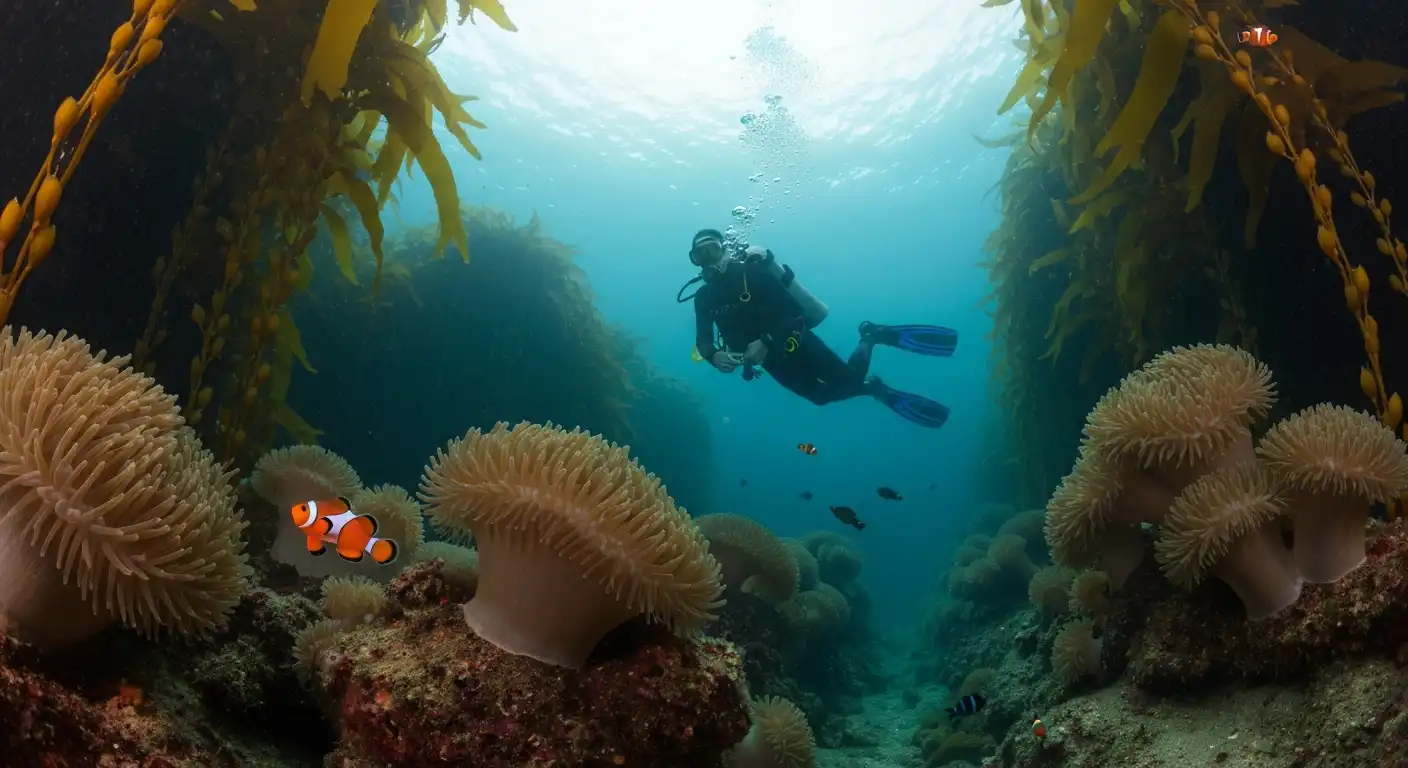
The ocean, covering more than 70% of Earth’s surface, remains one of the least explored frontiers on Earth. Beneath the waves lies a world teeming with life, geological wonders, and untold mysteries. Underwater exploration has advanced significantly over the past century, driven by technological innovation and a growing understanding of the ocean’s critical role in Earth’s ecosystem. This article examines the history, techniques, and significance of underwater exploration, highlighting its contributions to science, conservation, and our understanding of the planet.
Understanding Underwater Exploration
Underwater exploration refers to the scientific and technological efforts to explore, study, and understand the ocean’s depths, including its physical, chemical, biological, and geological aspects. This field encompasses many activities, from mapping the ocean floor and studying marine life to exploring shipwrecks and submerged landscapes.
Historical Context
Human curiosity about the ocean dates back millennia, but significant advances in underwater exploration began in the 20th century. Early endeavors were limited by rudimentary technology, such as diving bells and basic submersibles. The development of scuba diving in the 1940s, followed by the advent of advanced submersibles and remotely operated vehicles (ROVs) in the latter half of the century, revolutionized the field. These technologies enabled scientists to reach previously inaccessible depths and conduct detailed studies of marine environments.
Core Components of Underwater Exploration
Underwater exploration is built on several key components that have evolved:
- Submersibles and remotely operated vehicles (ROVs) are crucial for deep-sea exploration. These vessels can withstand extreme pressures and provide researchers with real-time data, video footage, and ocean depth samples.
- Sonar and Mapping Technologies: Sonar, short for Sound Navigation and Ranging, is used to map the ocean floor and locate objects or features underwater. Modern multibeam sonar systems can create high-resolution maps of the seafloor, revealing underwater mountains, valleys, and other geological features.
- Scuba Diving and Autonomous Vehicles: Scuba diving allows scientists to explore shallow waters and coral reefs directly. Autonomous underwater vehicles (AUVs) extend exploration capabilities to greater depths, operating independently and collecting data over large areas.
- Oceanographic Research Vessels: These ships serve as floating laboratories with advanced technology for studying the ocean’s physical and biological processes. They are essential for deploying submersibles, collecting samples, and conducting long-term monitoring of marine environments.
Drivers of Underwater Exploration
Several factors drive the continued interest and investment in underwater exploration:
Scientific Discovery
The quest for knowledge is a primary driver of underwater exploration. Scientists seek to understand the ocean’s ecosystems, geology, and physical processes, which are crucial for predicting climate change, managing fisheries, and preserving biodiversity. Discoveries of new species, deep-sea hydrothermal vents, and ancient shipwrecks continue to captivate researchers and the public.
Resource Management and Conservation
The ocean is a vital resource for food, energy, and minerals. Underwater exploration helps identify and manage these resources sustainably. It also plays a critical role in marine conservation by providing data on vulnerable ecosystems threatened by human activities, such as coral reefs and deep-sea habitats.
Climate Change and Environmental Monitoring
The ocean is a key component of the Earth’s climate system, absorbing carbon dioxide and heat from the atmosphere. Underwater exploration contributes to our understanding of how the ocean influences climate change and is affected by rising temperatures, acidification, and pollution. Monitoring these changes is essential for developing strategies to mitigate their impact.
Cultural Heritage and Archaeology
Underwater archaeology is another significant aspect of exploration. It focuses on the discovery and preservation of submerged cultural heritage sites, such as shipwrecks, ancient cities, and artifacts. These explorations provide valuable insights into human history, trade routes, and past civilizations.
Challenges in Underwater Exploration
Despite its importance, underwater exploration faces several challenges:
Technological Limitations
Exploring the deep ocean is inherently challenging due to the extreme conditions, including high pressure, low temperatures, and complete darkness. Developing technology that can withstand these conditions, operate effectively, and relay accurate data is a constant challenge.
Cost and Accessibility
Underwater exploration is expensive, requiring significant financial investment in vessels, equipment, and personnel. The cost of deep-sea missions often limits the frequency and scope of exploration efforts, particularly for academic and nonprofit organizations.
Environmental Impact
While underwater exploration is essential for understanding and protecting the ocean, it can also have environmental impacts. Disturbances caused by submersibles, ROVs, and other equipment can affect delicate marine ecosystems. Balancing exploration with the need to minimize human impact is a critical consideration.
Data Interpretation and Management
The vast amount of data collected during underwater exploration presents challenges in interpretation and management. Analyzing complex datasets, integrating information from diverse sources, and disseminating findings to the scientific community and the public require advanced tools and collaboration.
Future Directions of Underwater Exploration
The future of underwater exploration is shaped by emerging technologies, interdisciplinary collaboration, and a growing recognition of the ocean’s importance:
Advances in Technology
Continued advancements in robotics, artificial intelligence, and sensor technology will revolutionize underwater exploration. Autonomous systems capable of long-duration missions, real-time data analysis, and adaptive decision-making will expand our ability to explore and understand the ocean.
Global Collaboration
International collaboration is essential for addressing the challenges of underwater exploration. Collaborative efforts, such as the United Nations Decade of Ocean Science for Sustainable Development (2021–2030), aim to advance ocean science, promote sustainable management, and enhance global cooperation in exploring and protecting the ocean.
Public Engagement and Citizen Science
Engaging the public in underwater exploration through citizen science initiatives and educational programs can foster a greater appreciation for the ocean and its role in sustaining life on Earth. Innovations like live-streamed deep-sea dives and virtual reality experiences make the ocean’s wonders accessible to a broader audience.
Conservation and Sustainable Use
The future of underwater exploration will increasingly focus on conservation and the sustainable use of marine resources. Key priorities will be identifying and protecting critical habitats, monitoring the impacts of climate change, and ensuring the sustainable use of ocean resources.
Conclusion
Underwater exploration has advanced significantly since the early days of diving bells and simple submersibles. Today, it is a sophisticated field that combines cutting-edge technology, scientific inquiry, and a deep commitment to understanding and preserving the ocean. As we continue to explore the depths, we unlock the mysteries of the marine world and gain valuable insights essential for protecting our planet and ensuring a sustainable future. The journey of underwater exploration is far from over, and the discoveries that lie ahead promise to reshape our understanding of the ocean and its vital role in the Earth’s ecosystem.