Broadcom Inc. is a global leader in the semiconductor industry, known for designing, developing, and supplying a wide range of innovative technologies for various markets, including telecommunications, computing, consumer electronics, and industrial applications. Broadcom has grown from a regional player to one of the world’s largest and most influential semiconductor companies with a rich history of mergers and acquisitions. This article explores the company’s origins, key products, strategic acquisitions, business model, and impact on the global tech industry.
Broadcom Inc. Company Overview
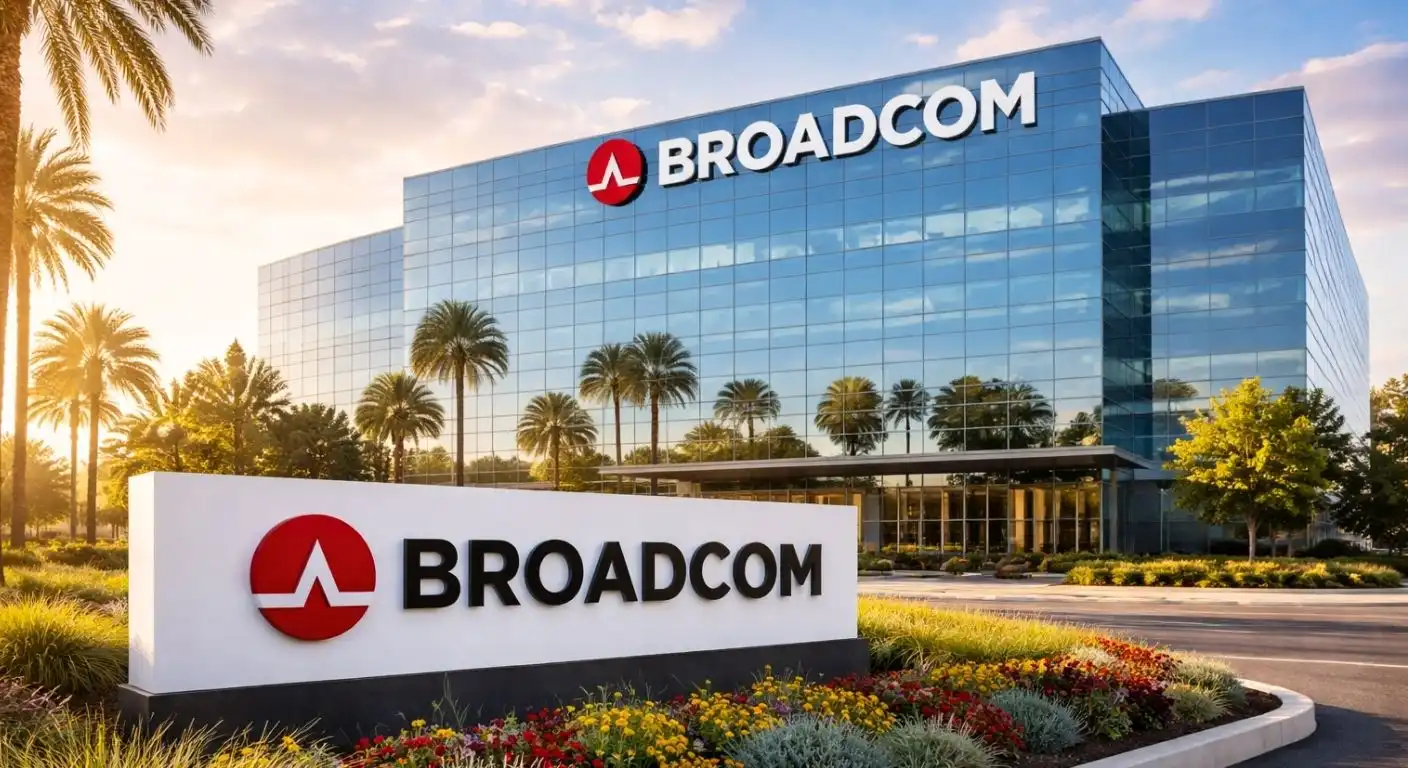
Broadcom Inc. is a U.S.-based global technology company that designs, develops, and supplies diverse semiconductor and infrastructure software solutions. Headquartered in San Jose, California, the company is known for its contributions to wireless communications, broadband, data center networking, and more. Broadcom is recognized for its innovation in hardware and software solutions, making it a vital part of the technology supply chain across sectors, including mobile, automotive, enterprise, and industrial applications.
Broadcom was founded in 1991 by Henry Nicholas and Henry Samueli as a small semiconductor company called “Broadcom Corporation.” Following significant acquisitions and corporate restructuring, it later rebranded as Broadcom Inc. The company operates in two major business segments: semiconductors and infrastructure software.
Founding and Early Growth (1991–2000)
Broadcom Corporation was founded in 1991 by Henry Nicholas and Henry Samueli, both engineers with a shared vision of creating innovative semiconductor solutions. The company initially focused on providing advanced broadband communications technologies, including the development of integrated circuits for cable modems and other broadband equipment. By the late 1990s, Broadcom had established itself as a major player in the semiconductor industry, particularly in the broadband sector.
In the early 2000s, Broadcom expanded its product portfolio to include a wide range of wireless and broadband communication technologies. The company’s innovations in Bluetooth, Wi-Fi, and other wireless technologies helped solidify its reputation as a key player in the wireless communications market.
Broadcom Inc. went public in 1998, trading on the NASDAQ under the ticker “BRCM.” The company’s IPO was highly successful, raising funds to fuel its rapid expansion and product development. Over the next few years, Broadcom continued to innovate in the semiconductor space, developing cutting-edge chips for wireless networking, home entertainment systems, and mobile devices.
Strategic Acquisitions and Expanding Portfolio (2000–2015)
During the 2000s, Broadcom’s growth strategy focused on strategic acquisitions to expand its product offerings and strengthen its position in key markets. The company made several significant acquisitions, notably in wireless and broadband technologies.
In 2004, Broadcom Inc. acquired Atheros Communications, an important player in the wireless communications market. Atheros specializes in designing Wi-Fi, Bluetooth, and other wireless chipsets. This acquisition enabled Broadcom to broaden its wireless product portfolio and solidify its position as a leader in the rapidly growing mobile and Wi-Fi markets.
In 2012, Broadcom made another significant acquisition, acquiring NetLogic Microsystems’ mobile and broadband business. This acquisition enhanced Broadcom’s capabilities in the networking and broadband markets, particularly in high-performance networking chips used in data centers and enterprise environments.
In 2015, Broadcom Inc. merged with Avago Technologies, a semiconductor company that had acquired other major companies in the semiconductor space. This deal, valued at approximately $37 billion, was one of the largest semiconductor mergers in history and dramatically expanded Broadcom’s market presence. The merger combined two highly complementary businesses, combining Broadcom’s expertise in broadband and wireless technologies with Avago’s leadership in industrial and communications semiconductors. As part of this merger, Broadcom shifted its focus from consumer electronics to enterprise and industrial markets, expanding into networking, storage, and cloud computing.
Transformation and Focus on Infrastructure (2015–2020)
Following its merger with Avago Technologies, Broadcom Inc. adopted a more focused strategy, shifting its focus to key areas of the semiconductor industry, including networking, broadband, and enterprise storage. Avago’s acquisition of Broadcom was followed by a rebranding of the company to Broadcom Inc., as it sought to position itself as a global leader in semiconductor solutions.
Broadcom’s products became crucial to the development of high-speed networks, data centers, and cloud computing. By acquiring companies such as Brocade Communications Systems in 2017 and CA Technologies in 2018, Broadcom expanded its presence in the data center and enterprise software sectors.
The acquisition of Brocade for $5.5 billion added expertise in storage area networking and fiber channel switching, complementing Broadcom’s position in the high-performance networking market. Brocade’s technology was instrumental in meeting the growing demand for data center solutions and cloud storage systems.
Broadcom’s acquisition of CA Technologies, a leading enterprise software company, marked a significant shift toward infrastructure software. This $18.9 billion deal enabled Broadcom Inc. to provide enterprise-level software solutions for industries that rely heavily on IT infrastructure, including financial services, retail, and telecommunications. Broadcom’s strategy at this point focused heavily on integrating semiconductors and infrastructure software, offering a full-stack solution for businesses and driving further growth in the data center market.
Semiconductor Products and Innovation
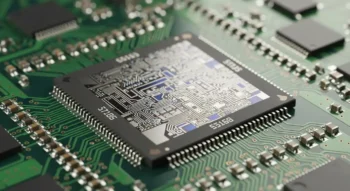
Broadcom’s semiconductor business spans many industries, with products that support wireless communication, broadband, networking, data centers, and more. The company has become an essential supplier of chips and technologies that power many of the world’s most widely used electronic devices and systems. Its product portfolio includes:
- Wireless Communication: Broadcom Inc. is a leading provider of wireless communication solutions, including Wi-Fi, Bluetooth, and cellular technologies. The company’s Wi-Fi and Bluetooth chipsets are used in a range of devices, including smartphones, laptops, tablets, smart TVs, and wearables. Broadcom also designs and manufactures chips for mobile connectivity, enabling faster and more reliable data transmission across wireless networks.
- Networking and Data Center Solutions: Broadcom is a key supplier of networking solutions for data centers, enterprises, and telecommunications providers. The company offers high-performance networking chips for switches, routers, and data center servers. Broadcom’s products play a vital role in enabling the high-speed connectivity that powers the global internet and supports the growth of cloud computing, big data, and the Internet of Things (IoT).
- Enterprise Storage: Broadcom Inc. is a leader in enterprise storage solutions, providing chips for storage area networks (SANs), data storage controllers, and solid-state drives (SSDs). The company’s enterprise storage products enable the fast, efficient transfer of large volumes of data, making them critical for cloud service providers, large enterprises, and data centers.
- Industrial and Automotive Solutions: Broadcom designs and manufactures semiconductor solutions for various industrial and automotive applications. These products include chips for automotive infotainment systems, safety features, and advanced driver-assistance systems (ADAS). Additionally, Broadcom produces semiconductors for industrial automation, robotics, and energy management systems.
- Optical Communications: Broadcom’s optical communication products include fiber optic and broadband systems solutions. These components are used in telecommunications networks, data centers, and long-distance communication systems.
Business Model and Revenue Streams
Broadcom’s business model centers on providing semiconductor solutions across industries and offering infrastructure software to enterprises. The company generates revenue primarily from the sale of its semiconductor products and the licensing of its technology. Broadcom’s revenue streams can be divided into two major categories:
- Semiconductor Products: Broadcom’s semiconductor business encompasses a broad portfolio of products, including wireless communication chips, networking and data center solutions, enterprise storage components, and optical communication technologies. This segment accounts for the majority of the company’s revenue.
- Infrastructure Software: Broadcom Inc. has expanded into the infrastructure software market through acquisitions of Brocade and CA Technologies. This segment includes enterprise software solutions for managing IT systems, cloud environments, and data storage. The software division has significantly contributed to Broadcom’s overall revenue, helping diversify its revenue streams and reduce reliance on the semiconductor market.
Broadcom’s business model combines high-performance products, long-term customer relationships, and strategic acquisitions. Its revenue is highly diversified across different industries, including telecommunications, computing, automotive, and industrial markets.
Global Reach and Industry Impact
Broadcom Inc. operates in more than 30 countries and has a strong global presence, serving customers across North America, Europe, Asia, and other regions. The company’s products are essential across industries, from mobile communications and consumer electronics to data centers and industrial automation.
Broadcom’s impact on the semiconductor industry is profound—the company’s innovations power many of the most critical technologies businesses and consumers use worldwide. Broadcom has enabled faster internet speeds, more efficient data centers, and the widespread adoption of wireless communication technologies such as Wi-Fi and Bluetooth.
In the software domain, Broadcom’s acquisition of CA Technologies and Brocade has also significantly impacted the enterprise IT space. Broadcom Inc. now offers a comprehensive suite of software solutions for managing and optimizing enterprise infrastructure, helping businesses drive digital transformation and improve operational efficiency.
Challenges and Future Outlook
Broadcom Inc. faces significant challenges in the competitive tech landscape as a global semiconductor and infrastructure software leader. One key challenge is the highly cyclical nature of the semiconductor market, which can lead to fluctuations in demand and pricing.
Broadcom faces increasing competition from semiconductor giants such as Intel, Qualcomm, and NVIDIA, particularly in wireless communications and data center solutions. The rapid pace of technological advancements, including the rise of artificial intelligence and the expansion of 5G networks, requires Broadcom Inc. to continue investing heavily in R&D and innovation to stay ahead of its competitors.
Looking ahead, Broadcom’s focus on hybrid cloud, 5G, and AI presents significant growth opportunities. As more businesses adopt cloud-based solutions and demand for high-speed connectivity grows, Broadcom’s products and services will remain critical to powering the next generation of digital infrastructure.
Conclusion
Broadcom Inc. is a major player in the global semiconductor and infrastructure software markets, with a diverse product portfolio and a strong track record of innovation. Through strategic acquisitions, technological advancements, and a focus on high-performance solutions, Broadcom has positioned itself as a leader in sectors ranging from wireless communications to data centers and enterprise software.
With a strong focus on the future, Broadcom’s investments in 5G, cloud computing, and AI are expected to drive continued growth and success. The company’s ongoing commitment to delivering cutting-edge solutions makes it an essential player in shaping the digital future across multiple industries. Broadcom’s long-term outlook remains positive as it expands its capabilities and provides critical technology solutions for businesses and consumers worldwide.