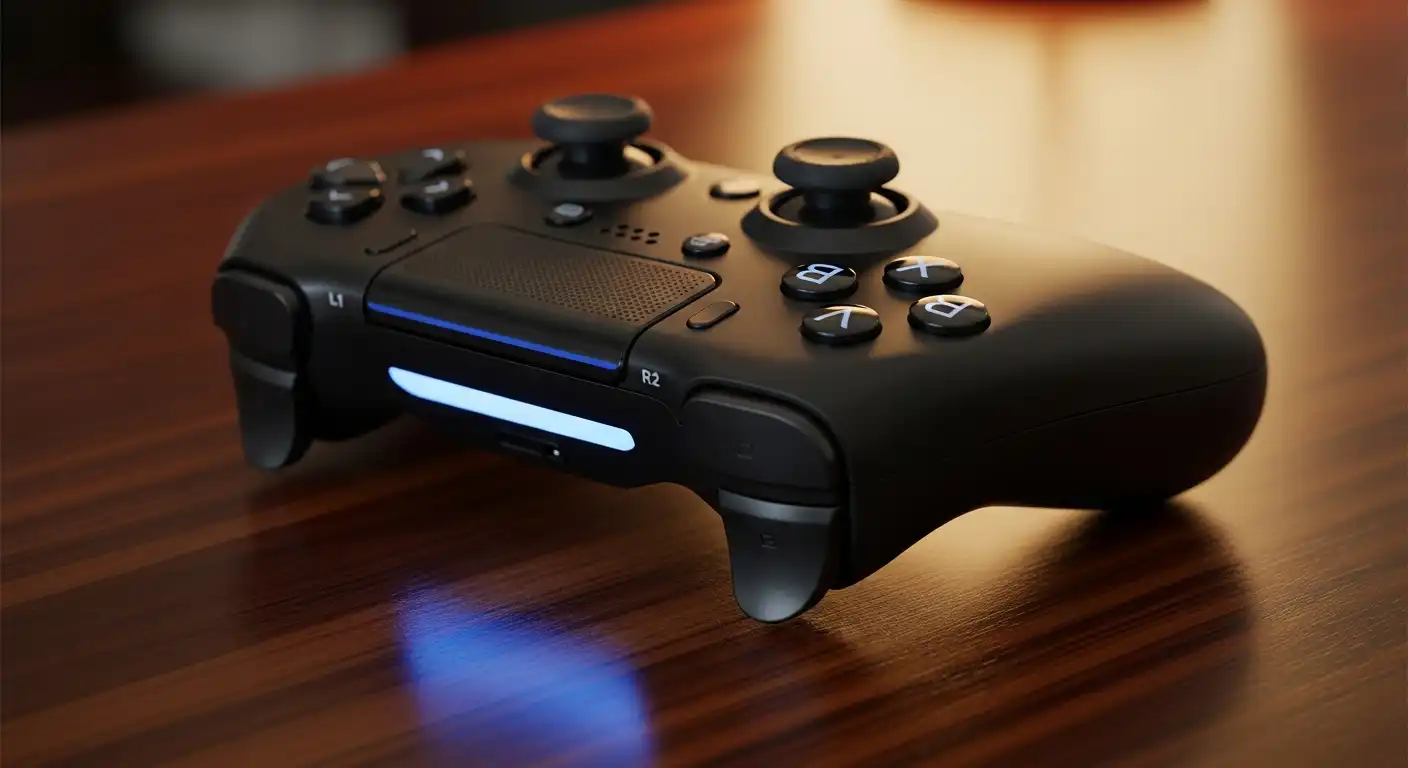
The gaming industry has undergone a massive paradigm shift, moving away from simple “console wars” into a diverse landscape of interconnected ecosystems, cloud streaming, and ultra-powerful handhelds. By 2026, the definition of a gaming console has expanded; while traditional living room monoliths still reign supreme for sheer graphical fidelity, portable PC-console hybrids and cloud-native devices have captured a massive share of the market.
Choosing a gaming console today means buying into a specific philosophy of play—whether that is prestige single-player narratives, subscription-based “all-you-can-play” buffets, or open-platform portability. The companies leading this multi-billion-dollar industry have diversified their hardware to meet gamers exactly where they are. Here are the top 5 gaming console manufacturers dominating the global market in 2026.
Sony Group Corporation (Sony Interactive Entertainment)
Sony continues to dominate the traditional living room space with cutting-edge graphical fidelity and blockbuster, cinematic single-player narratives. In 2026, their hardware strategy centers on mid-generation “Pro” upgrades and the maturation of their immersive virtual reality ecosystem.
- Mid-Gen Processing Power: The introduction of upgraded hardware models (like the PS5 Pro) utilizes proprietary AI-driven upscaling to deliver flawless 4K resolution at 60+ frames per second with advanced ray tracing.
- Prestige Exclusives: Sony’s in-house studios remain the gold standard for high-budget, narrative-driven games, keeping players locked into the PlayStation ecosystem for the next chapters of iconic franchises.
- DualSense Immersion: Their controllers continue to lead the industry in haptic feedback and adaptive triggers, creating a tactile gaming experience that competitors have struggled to replicate.
- PlayStation VR2 Maturation: With a growing library of hybrid AAA titles playable both flat and in VR, Sony remains the only major console manufacturer deeply invested in high-end virtual reality.
Best For: Hardcore gamers seeking premium, narrative-driven exclusive titles, cutting-edge living room graphics, and high-end console virtual reality.
Microsoft Corporation (Xbox)
Microsoft has officially shifted the definition of a console from a physical box under the television to a pervasive, cloud-powered digital ecosystem. In 2026, Xbox hardware serves as the ultimate, highly optimized gateway to their true flagship product: the Xbox Game Pass subscription service.
- The Game Pass Ecosystem: Xbox consoles are the best place to experience Microsoft’s “Netflix for games” model, offering day-one releases of massive first-party and third-party titles for a flat monthly fee.
- Cloud Gaming Pervasiveness: Microsoft’s advanced xCloud infrastructure allows players to stream graphically intense next-gen games directly to older consoles, smart TVs, and mobile devices without massive downloads.
- Cross-Platform Synergy: The “Play Anywhere” initiative ensures that buying a digital game on Xbox automatically grants you the PC version, with save data syncing seamlessly between the two platforms.
- Hardware Optionality: From high-end monolithic towers to affordable, digital-only, and cloud-first streaming devices, Microsoft provides hardware entry points for every budget.
Best For: Value-conscious players, multiplayer enthusiasts, and gamers who want to seamlessly transition their gameplay between a living room console, a PC, and mobile devices.
Nintendo Co., Ltd. (Nintendo)
Nintendo remains the undisputed king of hardware innovation and universally beloved intellectual properties, thriving completely outside the traditional graphics arms race. By 2026, their highly anticipated next-generation hybrid console will have successfully bridged the gap between modern third-party support and flawless portable play.
- Next-Gen Hybrid Design: Building on the monumental success of the Switch, their 2026 hardware allows for seamless transition between a docked living room experience and on-the-go handheld gaming, now with significantly upgraded internals.
- Flawless First-Party IP: Nintendo’s console is the exclusive home of the world’s highest-selling and most critically acclaimed franchises, including Mario, Zelda, Pokémon, and Animal Crossing.
- Couch Co-Op and Family Play: They remain the absolute best manufacturer for local, same-screen multiplayer experiences that appeal to all age demographics.
- Nostalgia and Legacy Access: Their expanded Nintendo Switch Online service provides an unprecedented, massive library of retro games spanning from the NES to the GameCube era.
Best For: Families, nostalgic gamers, and local multiplayer fans looking for unmatched first-party franchises and the versatility to play anywhere.
Valve Corporation (Valve)
Valve fundamentally disrupted the console market by successfully disguising a powerful, open-ecosystem Linux PC as a mainstream handheld gaming device. In 2026, the Steam Deck ecosystem has matured into a legitimate pillar of the console industry, rivaling traditional dedicated hardware.
- Massive Steam Library: Out of the box, the console provides instant access to decades of PC gaming history, avoiding the “software drought” that usually plagues new traditional console launches.
- Open Platform Freedom: Unlike traditional closed-ecosystem consoles, Valve does not charge users a monthly subscription fee to play games online, offering massive long-term savings.
- SteamOS Refinement: Their custom, Linux-based operating system has been perfected to provide a seamless, console-like UI while translating Windows-native games flawlessly via the Proton compatibility layer.
- Hardware Tinkering: Valve embraces the enthusiast community by making their consoles highly repairable and allowing users to upgrade internal storage or customize software without voiding their warranties.
Best For: PC gamers wanting portability, tech enthusiasts, and players who desire a massive library of affordable indie and AAA titles without ecosystem lock-in or paid online multiplayer.
ASUSTeK Computer Inc. (ASUS Republic of Gamers)
ASUS capitalized on the handheld console boom by pushing raw computing performance and native Windows compatibility to the absolute limit. In 2026, their ROG Ally successors have firmly established them as a premium console manufacturer for players who demand desktop-level power in their hands.
- Extreme APU Performance: ASUS uses the absolute latest custom-tuned AMD processors, enabling their handheld consoles to run graphically demanding AAA games at high frame rates.
- Native Windows 11 Integration: Because their devices run Windows natively, users are not restricted to a single storefront; they can seamlessly install Steam, Xbox Game Pass, Epic Games, and Battle.net.
- Premium Display Technology: ASUS outfits its handheld consoles with industry-leading, high-refresh-rate screens featuring Variable Refresh Rate (VRR) to eliminate screen tearing during intense gameplay.
- eGPU Desktop Replacement: Their consoles can be plugged into proprietary external GPU enclosures, instantly transforming a portable handheld device into a high-end, 4K-capable desktop gaming rig.
Best For: Power users and graphics enthusiasts who want the flexibility of a native Windows PC combined with the ergonomic form factor of a premium handheld console.
Conclusion
The gaming console landscape in 2026 proves that there is no longer a single way to play. Sony continues to win the prestige living-room war with unmatched exclusives and graphical fidelity, while Microsoft has successfully transformed the Xbox into a pervasive, high-value subscription service. Nintendo remains in a league of its own, blending timeless IPs with brilliant hybrid hardware. Meanwhile, Valve and ASUS have successfully redefined the market, proving that the handheld PC is the new ultimate console form factor. Ultimately, your choice of manufacturer depends entirely on whether you prioritize cinematic exclusivity, sheer value, family-friendly fun, or portable open-platform freedom.