

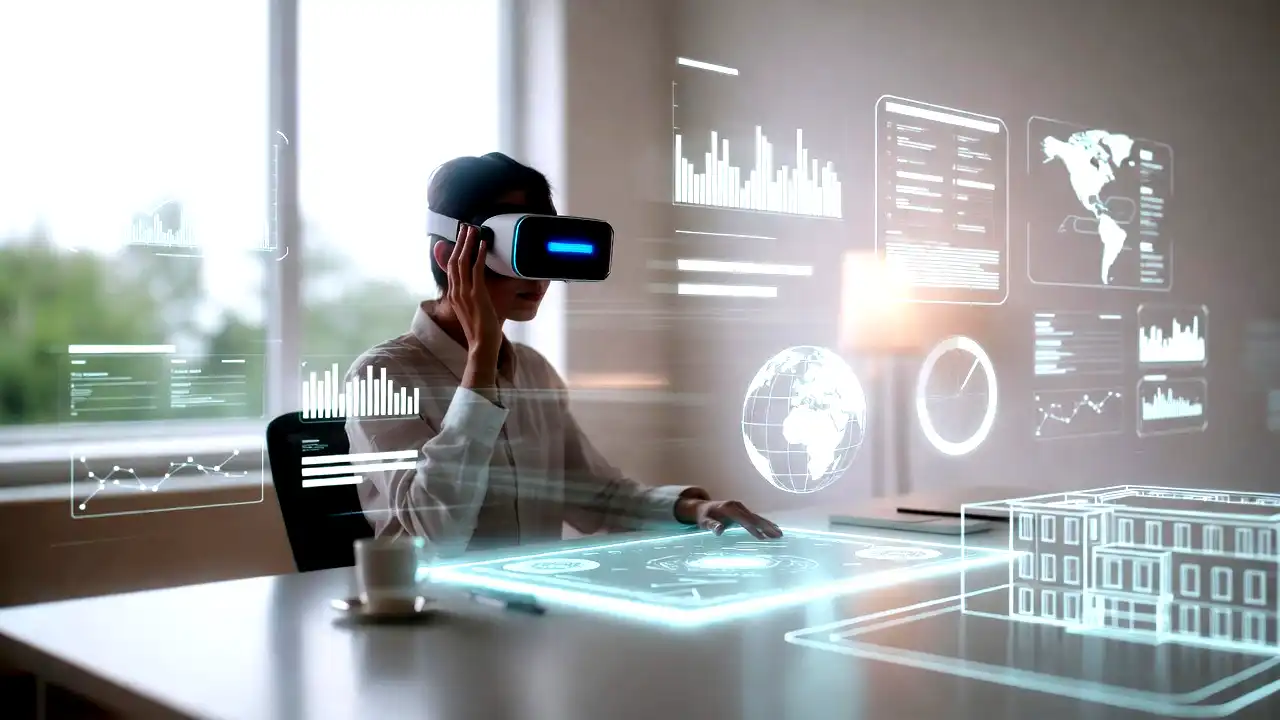
Education sat inside the same four walls for centuries. Students walked into buildings, sat at wooden desks, and listened to a single teacher explain a single textbook. This model served the industrial age well, but it failed to keep pace with the modern world. Today, the classroom walls have finally collapsed. We now live and learn within a sprawling, borderless virtual learning ecosystem. Technology no longer just supports education; it completely redefines how human beings acquire knowledge. As the global EdTech sector grows at an explosive pace, we must look beyond the shiny gadgets and ask whether these digital tools truly create better minds or simply better consumers of digital content.
The End of One-Size-Fits-All Teaching
The old classroom forced thirty different students to learn the same thing at the same speed. If a student struggled with algebra, they fell behind. If they excelled at history, they grew bored waiting for the rest of the class. Virtual learning ecosystems destroy this factory-style education. Modern EdTech platforms use adaptive learning software that adjusts to individual students in real time. If a learner struggles with a concept, the system provides additional visual examples or an alternative explanation. If they master a topic, the software instantly moves them to more challenging material. We finally treat every student as a unique human being with a unique way of processing the world.
Knowledge as a Global Commons
Geography used to determine your potential. If you lived in a remote village, you had limited access to expert teachers or top-tier libraries. You were stuck with whatever resources were physically available. The virtual learning ecosystem fundamentally changes this dynamic. Now, a brilliant professor from a prestigious university can teach a million students at once, no matter where those students sleep. We see the democratization of high-quality information. A curious mind in any corner of the globe can access the same lectures, the same research papers, and the same interactive labs as someone sitting in a major metropolitan center. We stop wasting talent simply because of where a person was born.
The Power of Immersive Simulation
Textbooks hold static, flat information. You read about the structure of a cell or the mechanics of a jet engine, but you never actually see how they function. Virtual learning brings these concepts to life through immersive simulation. Students now wear lightweight headsets to walk through ancient ruins, dissect a virtual frog, or practice complex surgical procedures without touching a single physical tool. This hands-on, simulated experience creates deep neural pathways that reading alone never could. We learn by doing, even if that “doing” happens inside a digital space. The gap between theoretical knowledge and practical skill shrinks every single day.
Credentials Beyond the Paper Diploma
For too long, the world cared more about the paper diploma than the actual skill set. Employers spent fortunes filtering through thousands of resumes just to see whether a candidate attended a specific, famous school. This gatekeeping system unfairly blocked millions of talented people. The new virtual learning ecosystem relies on “micro-credentials” and verified digital portfolios. You prove what you know by showing the code you wrote, the projects you managed, or the design work you completed. These platforms use blockchain to verify your specific skills, making your expertise impossible to fake. We finally shift the focus from where you sat for four years to what you can actually build today.
Protecting the Human Connection
Critics often argue that virtual learning makes us lonely. They fear that replacing a human teacher with an algorithm will strip the soul out of education. This fear rests on a misunderstanding. Technology should never replace the teacher; it should liberate the teacher. When a digital system handles grading, attendance, and basic fact-checking, the human teacher gains back hours. They use that time to mentor, to inspire, and to connect. The best virtual learning ecosystems recognize that the most important part of education is not the information, but the motivation. A machine can provide the facts, but only a human mentor can provide the vision.
The Invisible Barrier of the Digital Divide
We cannot celebrate the EdTech boom without talking about the people left in the dark. A digital ecosystem requires electricity, high-speed data, and expensive hardware. Millions of families across the globe still lack even the most basic connection to this network. If we build a world where only the rich can afford to learn, we widen the gap between the wealthy and the poor. We must treat high-speed internet access as a basic human right, not a luxury for the privileged. If we fail to bring the most vulnerable into this ecosystem, we will create a two-tiered humanity where your zip code once again dictates your entire future.
Making Learning a Lifelong Habit
The old system treated education like a short sprint that ended in your early twenties. You earned your degree, you found a job, and you stopped learning new things. That pace of life is dead. In a rapidly changing economy, we must learn and unlearn every few years. Virtual learning ecosystems perfectly facilitate this lifelong habit. You can take a quick course on a Saturday morning to learn a new programming language or a new management technique. We move toward a world where education is not a phase you pass through, but a continuous journey that keeps your mind sharp until your final days.
Conclusion
The expansion of the virtual learning ecosystem represents one of the most exciting shifts in our shared human story. We finally have the tools to give every curious mind on the planet the opportunity to grow, to create, and to lead. We have the ability to personalize education, democratize access, and make learning a lifelong adventure. If we prioritize equitable access and keep the human mentor at the center of the experience, we will usher in a new era of global intelligence. The walls are down, and the world is now our classroom.






