Key Points:
- British Airways will increase ticket prices by roughly 8 percent to cover soaring fuel bills.
- The parent company expects its total fuel costs to hit 9 billion euros this year.
- A war in the Middle East pushed global oil prices to a high of $126 per barrel.
- Executives plan to recover 60 percent of the new fuel expenses directly from customers.
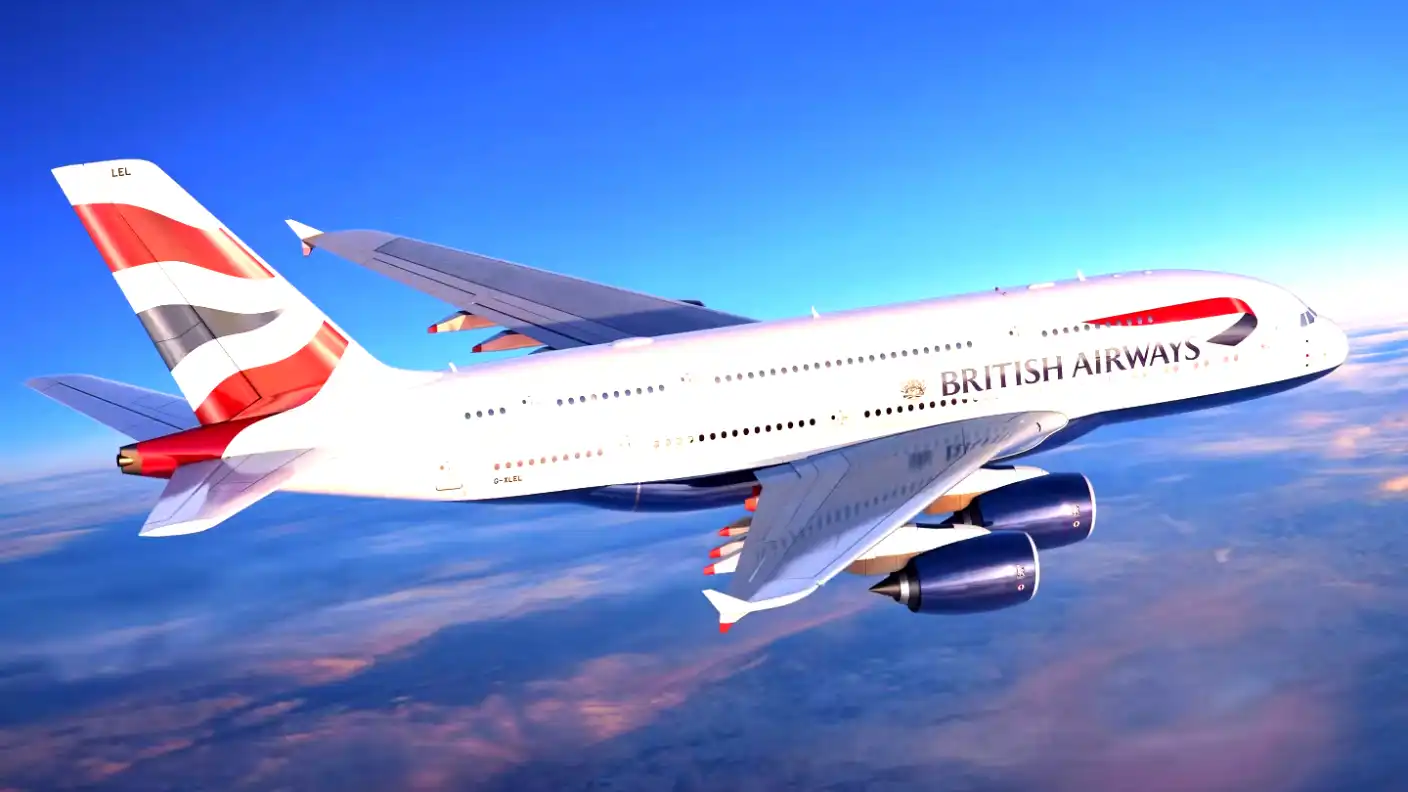
Travelers planning to fly with British Airways will soon pay more for their tickets. The famous airline faces a massive 2 billion-euro hit from extra fuel costs this year. The ongoing war in Iran caused global oil prices to skyrocket, forcing the company to rethink its entire budget. To survive this financial blow, the airline plans to pass a large portion of these new expenses directly to its customers.
International Airlines Group owns British Airways. The parent company recently updated its financial forecasts for the year. Executives originally expected to spend 7.1 billion euros on fuel. Now, they predict the final fuel bill will reach a staggering 9 billion euros. The company managed to protect itself from even worse damage by hedging 70 percent of its fuel supply before prices exploded.
Company leaders created a plan to address the remaining 2 billion-euro shortfall. They intend to recover about 60 percent of these unexpected costs through strict cost management and higher ticket prices. Based on revenue projections for 2025, everyday travelers will see British Airways fares jump by an estimated 8 percent. The company decided to push the heaviest price increases onto its premium brands rather than its budget options.
Luis Gallego serves as the chief executive of International Airlines Group. He explained that British Airways operates as a premium brand in the travel market. Because of this premium status, the airline will pass a higher percentage of the fuel costs to its flyers. Meanwhile, sister airlines like Vueling focus on budget travel and will avoid the steepest ticket hikes.
The soaring cost of jet fuel will directly damage the parent company’s bottom line. Before the recent spike in oil prices, financial analysts expected the group to report 5.2 billion euros in operating profits this year. Gallego openly admitted that the fuel crisis will inevitably push actual profits much lower than those original estimates. Despite the gloomy outlook for the full year, the company did report a solid first quarter. During the first three months of the year, the group earned a pre-tax profit of 422 million euros, while total revenue grew 1.9 percent to reach 7.2 billion euros.
The global oil market remains incredibly unstable. Before the war began, oil traded calmly at $72 a barrel. As the conflict grew, prices surged to a terrifying peak of $126 a barrel. On Friday, the market settled slightly, with oil trading just above $100 per barrel. Every time oil prices tick upward, airlines lose millions of dollars in potential profit.
Despite high fuel prices, Gallego assured travelers that the company has enough supplies to keep planes flying. He stated that the group does not face any fuel scarcity issues in its main markets. Executives feel very confident that they have enough jet fuel to run their full schedule during the busy summer vacation period. Gallego noted that Asia recently started building up its fuel reserves, which helps calm the global market.
Other parts of the travel industry face severe trouble. Data from aviation analysts at Cirium shows that airlines globally cut about 2 million seats from their flight schedules this month. To avoid flying half-empty planes at a loss, airlines in the United Kingdom successfully sought government assistance. Regulators gave airlines the ability to cancel flights without losing their highly valuable landing slots at major airports.
Sean Doyle leads British Airways as its chief executive. He explained how his team plans to handle the changing travel maps. The airline will simply move its airplanes away from regions where people refuse to travel, like the Middle East. Instead, British Airways will send those planes to popular vacation destinations where demand for tickets remains very high.
Doyle also feels confident that British Airways can survive any sudden fuel shortages. Nicholas Cadbury, the chief financial officer for the parent group, backed up this claim. Cadbury said the airline invested heavily in local fuel depots and direct supply lines from major refineries in the United Kingdom. This strong supply chain gives the airline a massive advantage over smaller competitors.
Still, international experts warn that the danger has not passed. If the war in the Middle East continues to block crude oil shipments, Europe could face actual physical shortages of jet fuel. Analysts at Goldman Sachs published a research note stating that the United Kingdom faces the highest risk across Europe. Because the country imports massive amounts of jet fuel, a broken supply chain could easily ground summer flights. For now, travelers just have to pay higher prices and hope their flights take off on time.