Key Points:
- Five European nations and the European Union will deploy rescue planes to evacuate their citizens from a disease-stricken cruise ship.
- The United States and the United Kingdom plan to extract their own citizens and help other stranded international travelers.
- Health officials will force passengers to leave heavy luggage and the body of one deceased traveler aboard the infected vessel.
- The ship will sail to the Netherlands for a massive deep-cleaning operation once all living passengers safely leave the port.
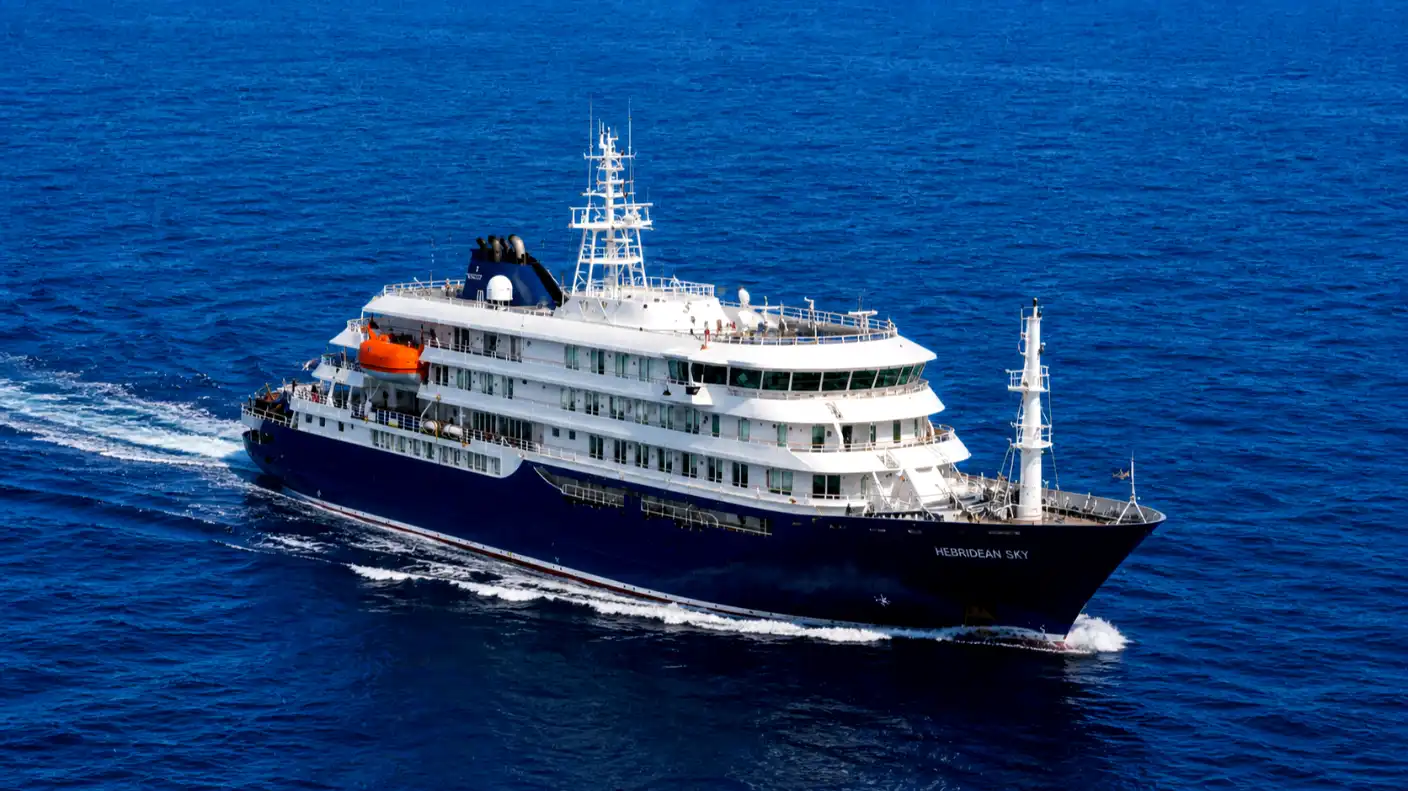
Spain’s Interior Minister Fernando Grande-Marlaska stood before reporters in Madrid on Saturday to announce a massive international rescue mission. A severe hantavirus outbreak struck a Spain-bound cruise ship, killing 1 passenger and trapping thousands more at sea. Now, multiple countries are coordinating a complex extraction to bring their citizens home safely without spreading the dangerous virus.
Germany, France, Belgium, Ireland, and the Netherlands officially confirmed they will send dedicated aircraft to rescue their nationals. The European Union stepped in to fill the gaps, dispatching 2 additional planes to pick up any remaining European citizens without a direct flight home. Grande-Marlaska outlined the strict timeline, emphasizing that Spanish citizens will leave the ship first.
After the residents disembark, health authorities will determine the exact exit order for everyone else. Officials established a rigid rule to prevent chaos at the port. Passengers must remain confined to the ship until their specific evacuation plane sits on the runway, fully ready for departure. This prevents crowds from gathering inside airport terminals and reduces the risk of local transmission.
The rescue operation extends far beyond European borders. The United States and the United Kingdom mobilized their own extraction teams. Both nations confirmed they had arranged contingency plans and secured aircraft for their citizens. Grande-Marlaska added that the US and UK will also transport non-EU citizens whose home countries lack the resources to send private air transport across the globe.
Leaving the ship requires passengers to make difficult choices. A government spokesperson named Garcia clarified the strict luggage rules. Authorities will allow passengers to carry only essential belongings, such as passports, medications, and small personal items. All heavy suitcases, clothing, and souvenirs must stay behind in the infected cabins.
The ship carries a much heavier burden than just abandoned luggage. Medical teams will keep the body of the deceased passenger onboard. Once the final living passenger boards a plane, a skeleton crew will sail the contaminated vessel to a specialized port in the Netherlands. There, hazardous material teams will completely disinfect the ship and safely process the remaining cargo and the victim’s remains.
Hantavirus outbreaks rarely happen on the open ocean, making this crisis highly unusual for maritime health experts. Rodents typically spread the virus through their droppings, urine, or saliva. Humans usually contract the disease by inhaling contaminated dust in enclosed spaces such as barns or sheds. Finding the source of a rodent infestation on a modern luxury cruise ship remains the top priority for health investigators.
The stakes for this evacuation sit incredibly high. Certain strains of hantavirus cause a severe respiratory disease with a fatality rate hovering around 38 percent. Because the virus can cause lungs to fill with fluid quickly, doctors must monitor the fleeing passengers for any signs of fever, muscle aches, or shortness of breath during their flights home.
Port authorities in Spain face a logistical nightmare over the next 48 hours. Moving thousands of anxious people from a ship directly to the tarmac requires dozens of buses, hundreds of health workers, and seamless communication between international embassies. Security teams set up secure corridors to ensure the cruise passengers never interact with the general public or regular airport staff.
For the passengers trapped inside their cabins, the wait feels agonizing. Many locked their doors days ago when the captain first announced the viral threat over the intercom. They rely on crew members in protective gear to deliver meals and bottled water. The promise of rescue flights brings relief, but the fear of developing symptoms before reaching home still haunts the stranded travelers.
Once the planes land in their respective home countries, the ordeal will likely continue. Health ministries in Germany, the US, and other destination countries plan to implement a mandatory 14-day medical observation period for the returnees. While human-to-human transmission of hantavirus happens very rarely, governments refuse to take any chances with a pathogen this deadly.
The Dutch sanitation crews stand by for the ship’s final arrival. Disinfecting a vessel spanning 15 decks and housing over 2,000 cabins takes weeks of intensive chemical scrubbing. Only after environmental inspectors declare every corridor completely free of the virus will the cruise line reclaim its multi-million dollar asset.