Key Points:
- U.S. President Donald Trump abruptly canceled a highly anticipated artificial intelligence executive order hours before its scheduled signing on Thursday.
- Tech billionaires Elon Musk and Mark Zuckerberg, along with advisor David Sacks, personally persuaded the president to scrap the draft.
- The proposed order would have created a voluntary protocol requiring companies to give the government a 90-day notice before releasing new models.
- Industry leaders warned that the vetting system would be a massive roadblock, slowing innovation and allowing China to overtake the United States.
President Donald Trump abruptly canceled the signing of a highly anticipated executive order on artificial intelligence on Thursday. The sudden move came just hours after the White House sent out invitations to the chief executives of the nation’s leading technology companies to attend a formal signing ceremony. Some of those executives were already traveling to Washington when they received word that the White House had postponed the event.
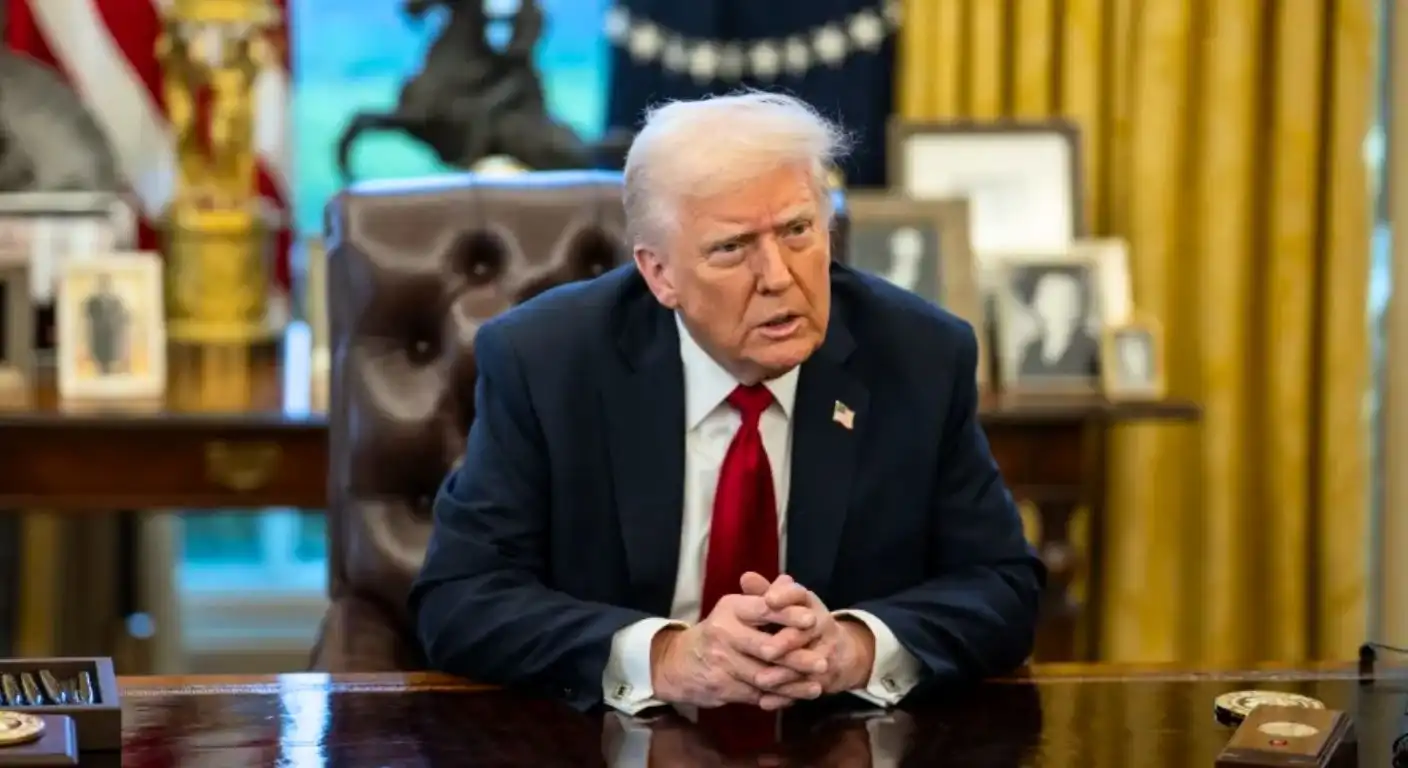
Speaking to reporters in the Oval Office, Trump explained his decision to call off the signing. He stated that he chose to scrap the executive order because he simply did not like the draft. He told the press that he worried the new regulations would act as a blocker for the broader American economy. Trump emphasized that the United States currently leads China and everyone else in artificial intelligence, and he refuses to do anything that might impede that lead.
Behind the scenes, a small group of highly influential tech billionaires orchestrated the last-minute cancellation. In the hours leading up to the scheduled ceremony, SpaceX Chief Executive Officer Elon Musk and Meta founder Mark Zuckerberg spoke directly with Trump to express their deep concerns. David Sacks, the former White House artificial intelligence and crypto czar who still wields immense influence as a top advisor, also played a central role in persuading the president to stand down.
Sacks warned the president that the proposed protocols in the draft order would heavily damage American competitiveness. He argued that the new government review system would slow down the launch of cutting-edge artificial intelligence products, giving China a major strategic advantage. Sacks also warned that future administrations could easily manipulate the regulatory framework to impose even stricter, more harmful controls on the private tech sector.
The draft executive order had been in development for weeks, with the White House trying to strike a delicate balance between safety concerns and industry growth. The order would have established a voluntary system requiring artificial intelligence companies to give the federal government 90 days’ notice of new technology before its public release. This period would allow government agencies to scan advanced models for vulnerabilities, including hacking and foreign interference.
Although the White House framed the 90-day reporting requirement as technically voluntary, industry leaders feared it would function as a mandatory rule in practice. Tech executives argued that the voluntary system would inadvertently pressure companies to comply, creating an unofficial vetting process. They warned that these administrative hurdles would hamstring United States companies at a time when the sector already faces supply chain shortages and slow-moving energy projects.
This dramatic last-minute intervention highlights the immense political influence that Silicon Valley billionaires hold within the current administration. Figures like Musk, Sacks, and Zuckerberg are not just business leaders; they are also key political backers who could play central roles in future fundraising efforts. Zuckerberg’s Meta plans to spend more than $30 billion on artificial intelligence infrastructure this year alone, while Musk’s various startups continue to attract billions from global investors. By appealing directly to the president, they successfully protected their vision of an open, unregulated market.
The cancellation exposes a sharp contrast in how the United States and China are handling the future of technology. While Washington has struggled to pass a national standard, Beijing is rapidly writing its own rules. Earlier this month, China’s State Council outlined plans to accelerate the development of comprehensive artificial intelligence legislation. Beijing also issued new rules requiring companies to establish internal ethics review committees. As China codifies strict government oversight, the United States continues to rely on a deregulated, industry-led approach.
While the executive order is dead, the debate over how to regulate powerful new computer models continues to divide Washington. Safety advocates warn that without federal oversight, advanced artificial intelligence could eventually threaten humanity or eliminate millions of human jobs. For now, however, the effective veto on federal regulation rests firmly in the hands of a few Silicon Valley principals, ensuring that the American market remains wide open.