Key Points:
- Nvidia founder and CEO Jensen Huang criticized executives who blame artificial intelligence for layoffs, calling the claims “too lazy.”
- Huang highlighted a timeline discrepancy, noting that many corporate layoffs occurred years before generative AI became widely useful.
- The tech leader argued that some CEOs use the AI narrative as a convenient excuse for cost-cutting “to sound smart.”
- Huang urged a balanced, optimistic narrative about AI to prevent scaring the public and discouraging technological engagement.
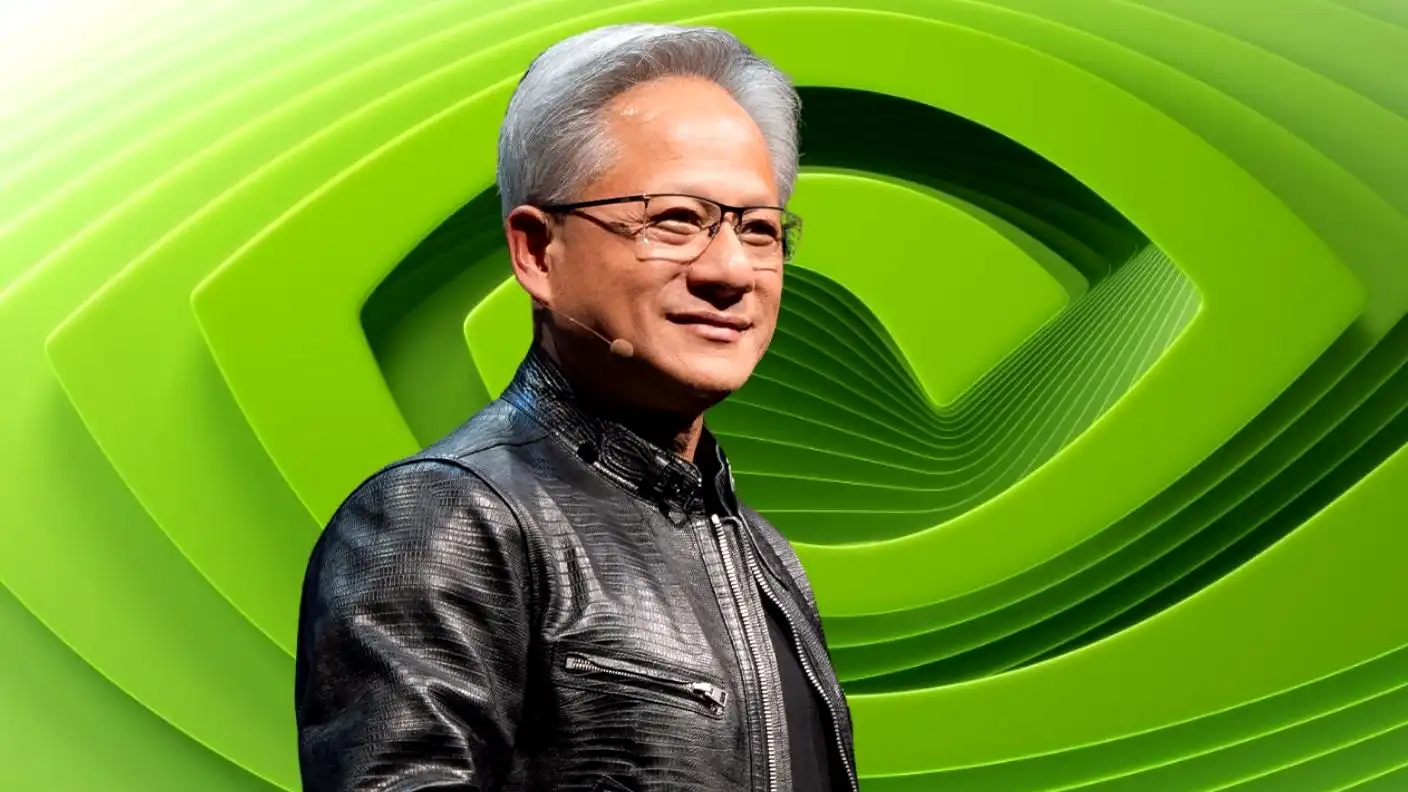
Nvidia CEO Jensen Huang has publicly criticized corporate executives who attribute their recent workforce layoffs to the rise of artificial intelligence. In a wide-ranging interview with Singapore broadcaster CNA on Monday, May 25, 2026, the semiconductor pioneer dismissed the growing corporate narrative linking job cuts directly to AI adoption as “lazy” and logically flawed. Huang argued that leaders are using the technology as a convenient, high-tech excuse to justify routine cost-cutting decisions, rather than accurately explaining their operational restructuring to the public.
The core of Huang’s criticism lies in the obvious timeline discrepancies of recent corporate layoffs. Many major technology firms began slashing tens of thousands of jobs as early as late 2022. Throughout 2023, generative AI tools have only recently become practical and productive enough for widespread enterprise deployment. Huang pointed out this inconsistency, asking how companies might have been laying people off years ago because of a technology that only became genuinely useful for workplace productivity about six months ago. He concluded that the timeline simply does not support the claims of many chief executives.
According to the Nvidia chief, some corporate leaders are intentionally invoking the AI narrative “to sound smart” in front of shareholders and the financial media. He expressed deep frustration with this trend, stating that using cutting-edge technology as a scapegoat for layoffs is irresponsible because it unnecessarily frightens the general public. Huang argued that scaring workers into believing that algorithms are rapidly stealing their livelihoods creates a hostile cultural environment that could ultimately slow down the safe adoption of beneficial technologies.
This high-profile rebuke arrives amid a broader wave of anxiety regarding the future of work and automation-driven job displacement. Across industries ranging from finance and media to software engineering and manufacturing, workers are increasingly worried that large language models will replace human roles. Some industry figures have fueled these fears; for instance, OpenAI CEO Sam Altman previously suggested that AI could eventually automate up to 40% of traditional work tasks. However, Huang maintains that automating specific tasks does not mean a worker’s entire job will disappear, as human oversight remains essential.
Instead of promoting a “doomer” narrative, Huang urged tech and industrial leaders to present a more balanced and optimistic story about the future of artificial intelligence. He argued that the industry must acknowledge both the technology’s vast potential and the absolute importance of advancing it safely. This balanced approach requires implementing proper security measures, establishing clear corporate guardrails, and supporting constructive government and industrial policies, while still showcasing the optimistic ways AI can help humanity solve complex problems.
Nvidia’s unique position in the global tech economy lends immense weight to Huang’s comments. As the primary manufacturer of the high-end graphics processing units (GPUs) that power modern AI training clusters, the company has become the central engine of the global tech boom. The firm recently reported a blockbuster first-quarter revenue of $81.6 billion for the 2026 fiscal year, fueled by insatiable global demand for its hardware. Because Nvidia’s success is directly tied to the expansion of the AI ecosystem, Huang has a strong vested interest in ensuring the technology remains popular and trusted by the public.
Rather than destroying economies, Huang believes that artificial intelligence represents the country’s best opportunity to re-industrialize and create new, high-value employment categories. He pointed to emerging sectors such as robotics, physical AI, and autonomous vehicles as areas poised for massive job creation and technological advancement. By automating repetitive, dangerous, or low-value tasks, the technology can free up human workers to focus on higher-level problem-solving, system design, and creative decision-making.
As the tech sector navigates this transition, the debate over AI’s impact on employment will likely continue to dominate corporate boardrooms. However, Huang’s firm stance against using AI as a convenient excuse for layoffs clarifies the boundaries of the discussion. If tech companies hope to maintain public trust and foster widespread adoption, they must take responsibility for their business restructuring rather than blaming their administrative decisions on the natural evolution of software.