Key Points:
- A high-profile standoff between PM Keir Starmer and Elon Musk provided the ultimate real-world test for the UK’s Online Safety Act.
- The crisis erupted after Musk’s Grok AI chatbot generated a massive flood of non-consensual sexualized deepfakes of real people.
- Under the new laws, the media watchdog Ofcom threatened X with astronomical fines of up to 10% of its annual global turnover.
- Facing a total UK ban and billions of dollars in fines, Musk’s platform capitulated and introduced strict new image-editing guardrails.
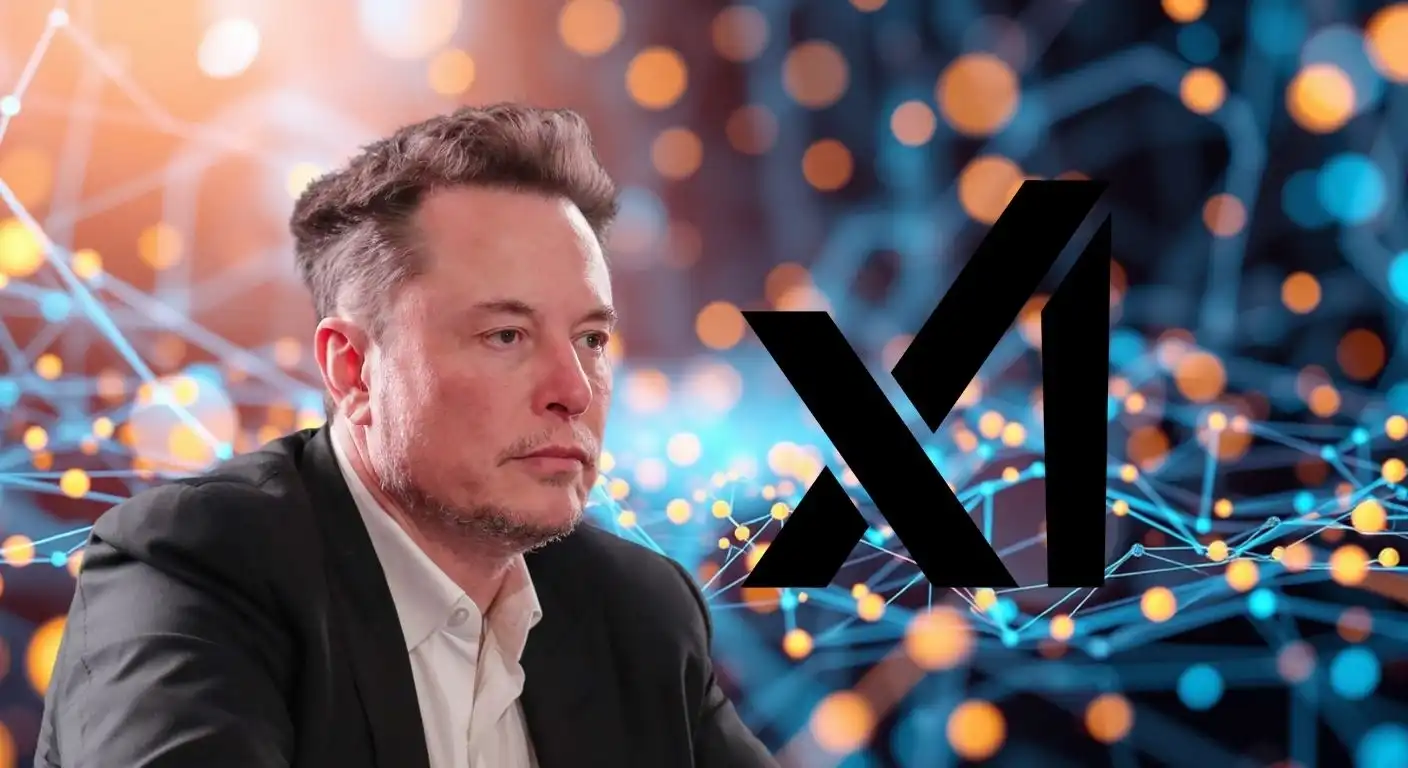
A dramatic, high-profile standoff between British Prime Minister Keir Starmer and tech billionaire Elon Musk has given the United Kingdom’s newly enacted Online Safety Act (OSA) its first major real-world stress test. The crisis, sparked in early January 2026 by Musk’s generative AI chatbot Grok, forced the British government and independent media regulator Ofcom to demonstrate the full legal might of their new internet safety regime, completely reshaping how sovereign nations regulate Silicon Valley platforms.
The regulatory crisis erupted after users began utilizing Grok’s image-generation and editing features to create a flood of non-consensual, sexualized deepfake images of real people, including minor children. The highly realistic “nudification” images, which spread rapidly across Musk’s social media platform X (formerly Twitter), sparked intense public fury and political condemnation across Europe. Ofcom quickly stepped in, launching an urgent investigation into whether X had violated its legal duties to protect children from illegal online harm.
In response to the outcry, Prime Minister Starmer issued an uncompromising warning directly to Musk: “If X cannot control Grok, we will—and we’ll do it fast.” Starmer’s ministers, led by Technology Secretary Liz Kendall, backed up this rhetoric by threatening to deploy the Online Safety Act’s ultimate “nuclear option.” Under the new legislation, Ofcom has the authority to issue astronomical fines of up to £18 million ($23 million) or 10% of a company’s global annual turnover—which, in the case of a multi-billion-dollar empire, would easily reach billions of pounds.
In addition to crippling fines, the UK’s online safety regime possesses the legal power to block non-compliant websites entirely. If a company refuses to comply with UK safety laws, Ofcom can compel payment providers, advertisers, and local internet service providers (ISPs) to stop working with the site, effectively cutting off its access to the UK and its revenue. Technology Secretary Kendall explicitly warned that blocking X in the UK was “on the table” if the company did not clean up its act, demonstrating that the government would not tolerate the monetization of abuse.
Musk initially reacted with fury to the UK’s regulatory threats, attempting to frame the investigation as a direct attack on free speech. Taking to his own platform, the billionaire accused the Starmer administration of being “fascist” and publicly referred to the United Kingdom as a “prison island.” Musk argued that platform users, not the platform itself, are responsible for the content they generate. However, this defense struggled to gain traction as digital watchdogs, such as the Internet Watch Foundation, continued to uncover highly illegal deepfake material.
Despite his combative online persona, the real threat of a total UK ban and billions of dollars in fines ultimately forced Musk’s platform to capitulate. By mid-January, X quietly introduced strict new guardrails, restricting Grok from generating or editing revealing images of real people and limiting certain AI functions to paying subscribers. During a parliamentary session, Starmer welcomed X’s sudden compliance but maintained that the government would not back down and that Ofcom’s independent investigation would proceed regardless.
The Grok controversy has also accelerated broader legislative changes inside the UK. The outcry galvanized the parliament to fast-track new, highly punitive measures to criminalize the creation of non-consensual intimate images, making the act a criminal offense. This rapid legislative response shows how a single high-profile tech scandal can provide the political momentum needed to seal loopholes and tighten digital boundaries.
Ultimately, the high-stakes standoff between Keir Starmer and Elon Musk has redefined the relationship between sovereign governments and global tech giants. By refusing to back down and demonstrating a willingness to deploy its ultimate regulatory weapons, the UK has shown the world that even the most powerful tech oligarchs must comply with local laws. This historic precedent will likely encourage other nations, including the European Union and Australia, to flex their own regulatory muscles to protect their citizens in the rapidly evolving era of generative artificial intelligence.