Key Points:
- Australia secured its first cargo vessel, the ANL Kokoda, to launch its highly anticipated sovereign strategic maritime fleet.
- The 23,314 dwt container ship will deliver critical supplies, including fertilizer and equipment, during national emergencies and crises.
- The move fulfills a 2022 campaign pledge by Prime Minister Anthony Albanese to rebuild Australia’s domestic shipping capacity.
- The federal government committed $21 million over five years to build a fleet of 12 private-sector-operated, Australian-crewed vessels.
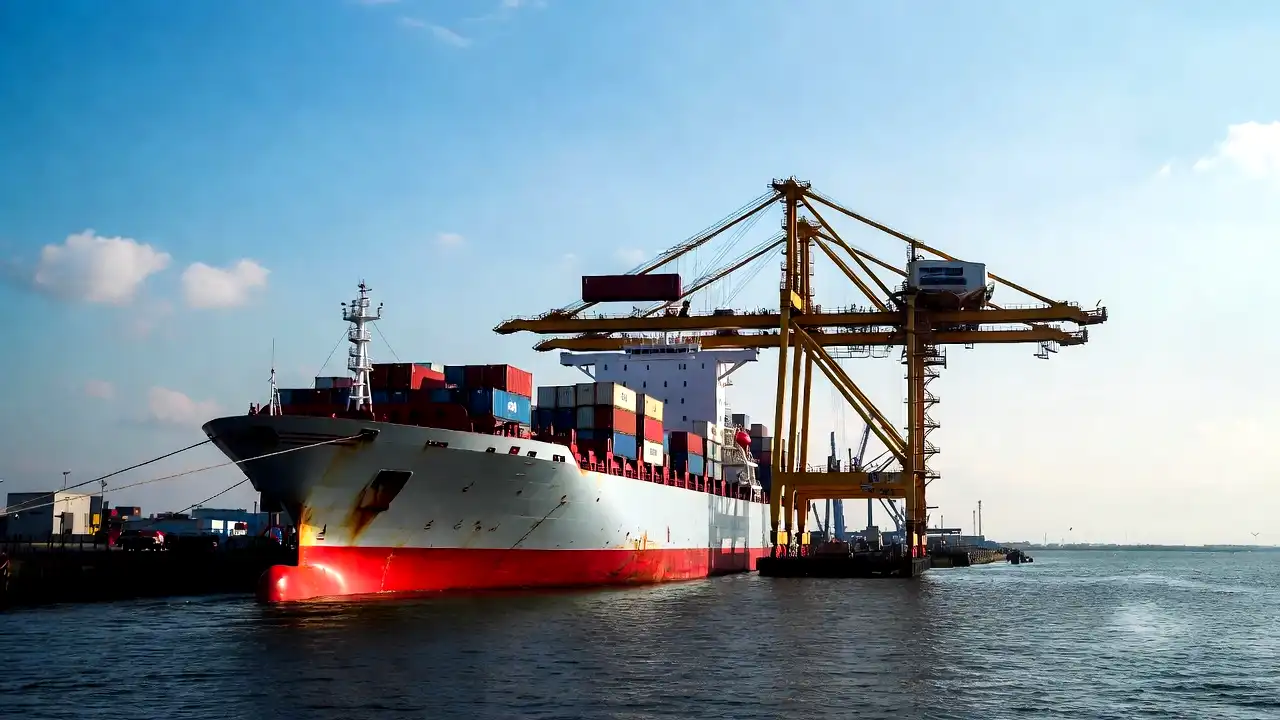
The Australian federal government has officially secured the first vessel for its new national emergency shipping network, marking a major milestone in its efforts to build independent maritime security. On Friday, May 29, 2026, Federal Transport Minister Catherine King announced that the government had signed an agreement to charter the ANL Kokoda, a large commercial container ship. This critical vessel will serve as the premier asset in Australia’s planned sovereign maritime fleet, which authorities can requisition to transport vital goods during national crises, natural disasters, or global supply chain disruptions.
The newly secured vessel is a 23,314 deadweight tonnage (dwt) container ship with a carrying capacity of 1,740 twenty-foot equivalent units (TEU). Built in 2011, the ship currently sails under a Maltese flag but will soon undergo reflagging under the Australian register. The cargo ship will operate with a dedicated crew of 36 Australian seafarers. While the ANL Kokoda is not designed to transport liquid fuels, it possesses the physical capacity to carry large-scale shipments of agricultural fertilizer, industrial equipment, and emergency medical supplies directly to affected communities during national emergencies.
The charter agreement fulfills a major 2022 election campaign pledge by Prime Minister Anthony Albanese’s Labor government to rebuild the nation’s domestic maritime sector. Like many island nations, Australia suffered severe supply chain bottlenecks during the pandemic, revealing a dangerous vulnerability in its reliance on foreign-owned shipping companies. To address this risk, the federal government committed $21 million over five years to help establish a resilient, state-backed fleet of 12 commercially viable vessels that private companies will operate under the Australian flag.
The urgent need to rebuild Australia’s domestic maritime capacity has intensified over the past year. Due to decades of deregulation and high local operating costs, Australia’s domestic merchant trading fleet of major blue-water vessels had plummeted from a historical peak of over 100 commercial ships down to just nine active vessels. This extreme decline left the resource-rich nation almost entirely dependent on foreign-registered ships to carry its international trade, a massive strategic liability in times of global geopolitical conflict.
The ongoing crisis in the Middle East has added immense urgency to the government’s fleet expansion plans. The war in Iran and the subsequent blockade of the Strait of Hormuz—the vital shipping lane through which roughly 20% of global oil flows—have severely disrupted global trade routes and driven up international shipping costs. These disruptions have cost the local Australian import-export economy over $1 billion in delayed shipments and inflated freight rates. Transport Minister Catherine King emphasized that these recent global events have demonstrated how essential a resilient domestic maritime sector is to protecting national security and economic sovereignty.
While the ANL Kokoda represents a crucial first step, maritime industry groups are urging the government to secure fuel-carrying vessels next quickly. Australia’s extreme fuel insecurity remains its most significant strategic vulnerability, as the country currently holds less than three weeks of domestic diesel and petrol reserves. Maritime Industry Australia Chief Executive Angela Gillham stated that a strong sovereign maritime industry is fundamental to the economy’s fabric. She urged the government to ensure that future vessels in the 12-ship fleet can transport bulk liquid fuels to protect the country from catastrophic transport shutdowns during international crises.
To encourage private vessel operators to participate in the strategic fleet, the government is introducing targeted tax incentives and regulatory assistance. Shipping Australia and other industry bodies have pointed out that a significant cost gap exists between running Australian-crewed vessels and operating under cheaper foreign flags. To bridge this gap, the government plans to launch comprehensive legislative reviews of the Shipping Registration Act and the Coastal Trading Act later this year. These reforms aim to reduce administrative burdens, provide payroll tax exemptions, and lower the training costs required to expand the local seafaring workforce.
The selection of the ANL Kokoda also brings the cargo carrier full circle to its historical origins. Established by the Australian government in 1956 to focus on trade in Oceania, the Australian National Line (ANL) was privatized and sold to the French shipping giant CMA CGM Group in 1998. ANL Container Line Managing Director Esra Bora welcomed the partnership, stating that supporting Australia’s maritime supply chain is central to our nation’s ability to utilize the sea for economic prosperity, essential trade, and merchant shipping.
As the federal government begins targeted consultations with other vessel operators to secure the remaining eleven ships, the launch of the strategic fleet represents a critical turning point for the nation’s logistics sector. By successfully combining public funding with private sector operational efficiency, Australia is taking a proactive step to insulate itself from global economic shocks. If the government can successfully deploy the full 12-vessel fleet by 2028, the initiative will provide a reliable, sovereign maritime shield that ensures essential trade can continue uninterrupted, regardless of international geopolitical volatility.