Key Points:
- Kenya’s High Court issued an urgent injunction halting the opening of a U.S. military-backed Ebola quarantine facility at Laikipia Air Base.
- The 50-bed makeshift hospital was built to isolate American citizens exposed to the lethal Bundibugyo Ebola strain in neighboring countries.
- Civil rights groups sued the Kenyan government, accusing it of entering into the deal in total secrecy, without parliamentary or public oversight.
- The plan sparked a massive domestic backlash, prompting the Kenyan doctors’ union to issue a 48-hour national strike notice.
A major international biosecurity dispute has erupted after Kenya’s High Court temporarily blocked a controversial Trump administration plan to establish an Ebola quarantine facility on Kenyan soil. On Friday, May 29, 2026, High Court Justice Patricia Nyaundi issued an urgent injunction halting the operations of a newly constructed, military-backed field hospital at the Laikipia Air Base. The legal intervention came on the exact day the highly restricted biocontainment facility was scheduled to open its doors to isolate American citizens.
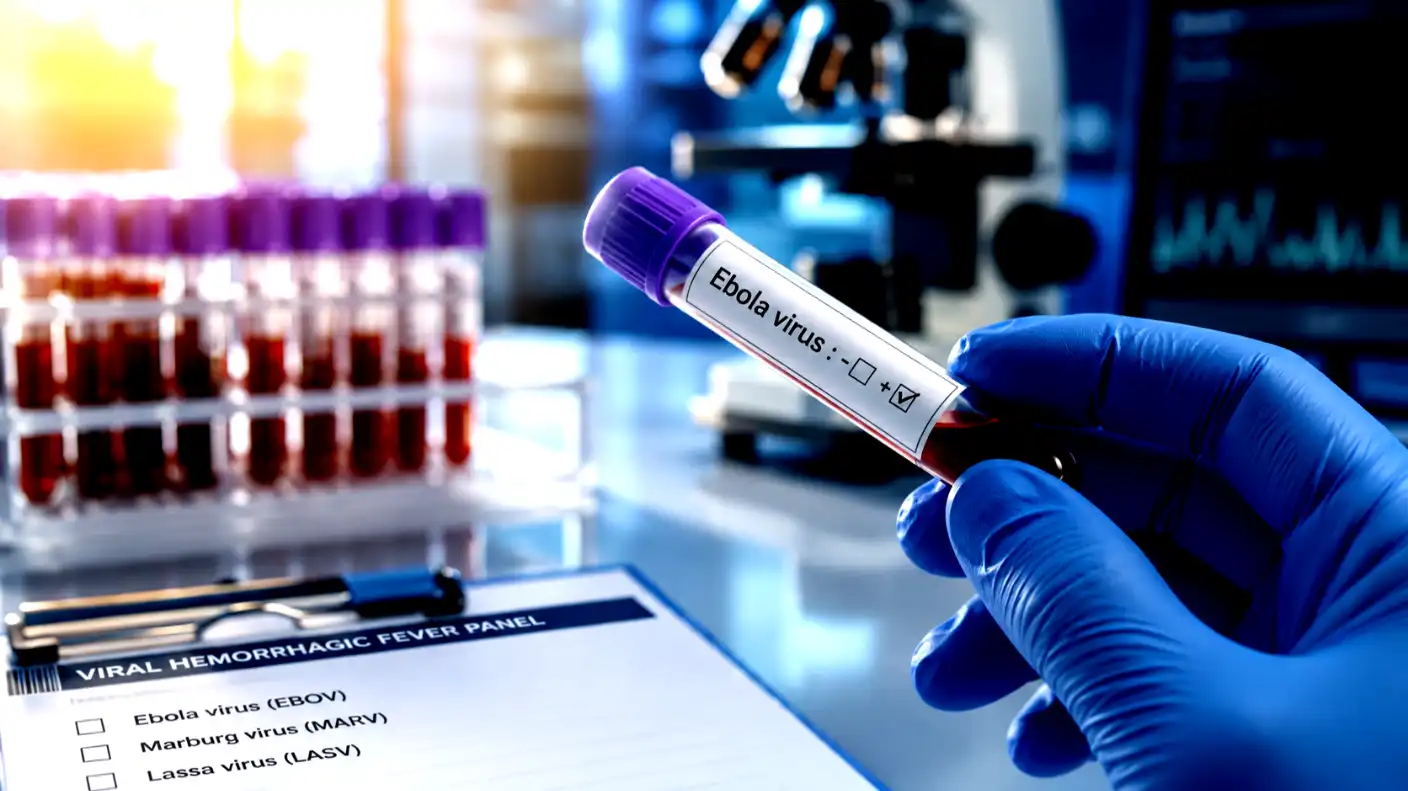
U.S. planners designed the proposed 50-bed makeshift hospital to isolate and monitor U.S. nationals, including military personnel, diplomats, and humanitarian aid workers, exposed to the dangerous Bundibugyo strain of the Ebola virus. This highly lethal pathogen has recently triggered a severe health crisis in the neighboring Democratic Republic of Congo (DRC) and Uganda, prompting the World Health Organization (WHO) to declare a global health emergency. To date, the outbreak has recorded over 900 suspected infections and more than 200 deaths across the affected regions.
The Trump administration designed the plan to quarantine potentially exposed Americans in East Africa before allowing them to return to the United States, thereby minimizing the risk of introducing the virus to the American mainland. Under the terms of the bilateral deal, the U.S. military and U.S. Public Health Service staff would have managed and operated the Laikipia facility. However, the secret arrangement between Washington and Nairobi sparked immediate fury among local civil rights groups, legal associations, and medical professionals inside Kenya.
The legal challenges, filed independently by the prominent Katiba Institute and the Law Society of Kenya, accuse the government of President William Ruto of cutting the deal in absolute secrecy. Through Counsel Joshua Malidzo, the petitioners argued that the arrangement completely lacks parliamentary oversight, public participation, and necessary environmental and biosecurity assessments. They argued that exposing Kenyan citizens to a highly infectious, lethal pathogen without transparent safety protocols constitutes an unacceptable violation of the right to health and public safety.
The High Court’s ruling enforces a complete freeze on the project until formal hearings begin on June 2, 2026. Justice Nyaundi’s injunction bars the Kenyan government from operationalizing the base, deploying staff, or allowing any infected or exposed individuals to enter the country. The court also ordered the Ministry of Health to present a detailed, comprehensive contingency and surveillance plan within 24 hours to prove that Kenya has the physical capabilities to prevent the domestic spread of the virus.
The controversial project has also triggered a massive domestic political and labor crisis in Kenya. The country’s medical union issued a 48-hour strike notice on Friday morning, with medical leaders publicly condemning the deal. Doctors and nurses expressed outrage that the U.S. government refused to bring its own exposed citizens to American soil, choosing instead to use Kenya as a foreign “dumping ground” for a dangerous pathogen. Union leaders warned that local hospitals are completely unprepared to handle a potential outbreak, which could quickly overwhelm the country’s public healthcare system.
While the United States continues to invest billions of dollars in global health security, including over $12 billion annually in international biodefense and pandemic preparedness, this latest local pushback highlights a major geopolitical boundary. Some U.S. officials, including Secretary of State Marco Rubio, have defended the offshore quarantine approach as a necessary measure to protect the American public. Indeed, Rubio recently reinforced strict travel restrictions for individuals arriving from Ebola-ravaged parts of Central Africa, illustrating Washington’s highly defensive posture.
As the June 2 court date approaches, the legal standoff will likely complicate future U.S.-Africa security and health partnerships. The case demonstrates that even during a global health emergency, sovereign nations cannot bypass constitutional checks, public transparency, and local environmental laws to implement high-risk biological infrastructure. Forcing these projects through in secrecy damages public trust, proving that true biosecurity and global health cooperation require mutual respect, local consent, and transparent safety standards.