Key Points:
- The massive BYD Zhengzhou cargo vessel officially docked at the Port of Melbourne on May 31, 2026, delivering 4,810 new energy vehicles.
- This voyage marks the first time a dedicated, automaker-owned cargo ship has delivered electric and hybrid vehicles directly to Australia.
- Over 2,000 of the vehicles on board are high-demand models, specifically the Sealion 7 family electric SUV and the Atto 2 compact electric SUV.
- BYD aims to fast-track an additional 30,000 vehicles to Australia in the coming months, tripling its typical monthly shipments to challenge local market leaders.
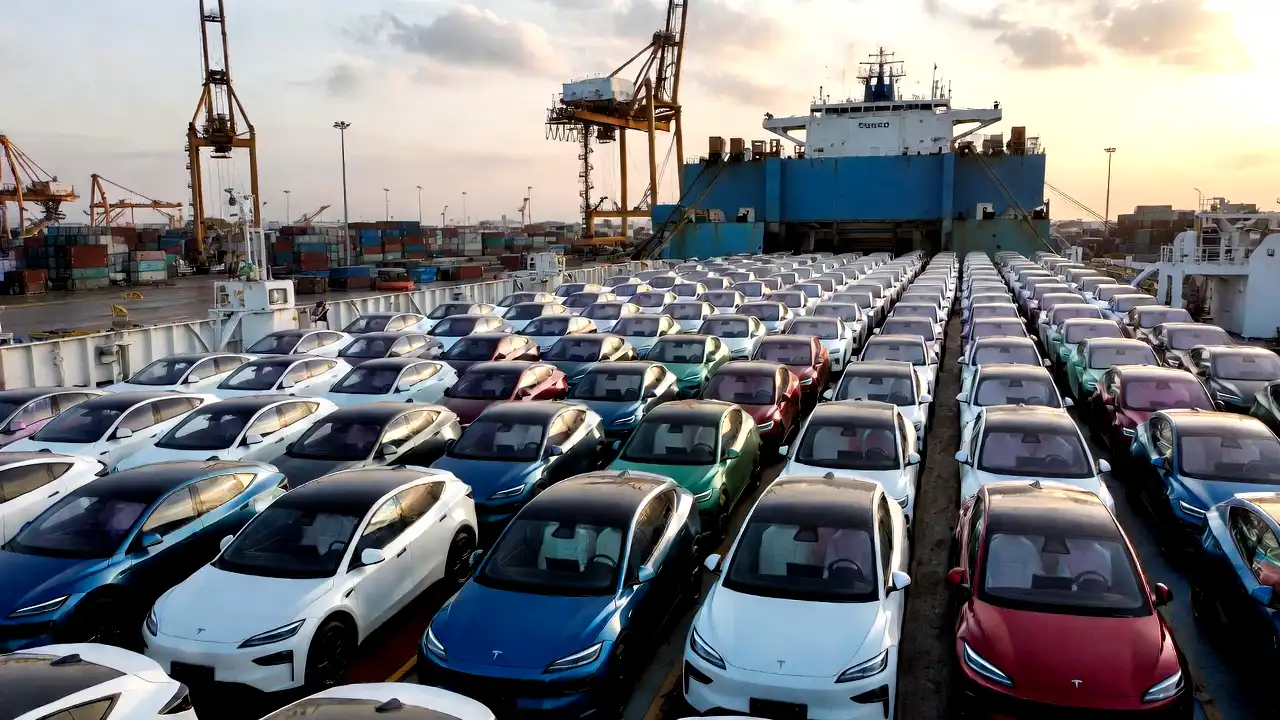
In a defining moment for the global automotive supply chain, a massive Chinese cargo vessel has officially made port on Australian shores. The BYD Zhengzhou, a specialized roll-on/roll-off (RORO) car carrier owned and operated by new energy vehicle giant BYD, docked at the Port of Melbourne on May 31, 2026. This landmark voyage represents the first time a dedicated, automaker-owned cargo ship has delivered electric and hybrid vehicles directly to the Australian market. This logistical milestone highlights how the company is redefining traditional distribution channels, moving beyond simple manufacturing to achieve absolute vertical control over its international shipping networks.
The sheer volume of the cargo on board demonstrates the massive scale of the operation. The BYD Zhengzhou departed the bustling port of Shanghai carrying exactly 4,810 new energy vehicles. Over 2,000 of the vehicles packed inside the ship’s massive decks are high-demand models, specifically the newly launched Sealion 7 family electric SUV and the Atto 2 compact electric SUV. The vessel’s cargo holds also house premium, luxury vehicles from BYD’s upscale sister brand, Denza, including the B5 off-road SUV and the D9 executive people mover, targeting multiple segments of the growing local market.
The docking of this dedicated ship is not an isolated shipping run; it represents the vanguard of an aggressive, coordinated market expansion. BYD Australia has committed to bringing an extra 30,000 vehicles to local showrooms over the coming months to satisfy skyrocketing consumer demand. This special delivery push will triple the brand’s typical monthly shipment volumes. The announcement comes directly after the company celebrated its 100,000th vehicle delivery in Australia, solidifying its place as the top-selling EV brand by volume in the country, ahead of legacy competitors like Tesla.
With 30,000 fresh vehicles flooding the local market, the Chinese automaker is actively gunning for established automotive veterans. In 2025, Ford and Mazda reported vehicle sales of 94,399 and 91,923 in Australia, respectively. If BYD continues its current sales trajectory—which saw a massive 111% year-on-year growth in early 2026—the company could easily hand over up to 90,000 vehicles by the end of this year. This aggressive inventory ramp-up places the brand within striking distance of the country’s second- and third-best-selling auto brands, transforming the traditional market landscape.
This aggressive shipping play has not gone unnoticed by traditional automotive giants, who are watching their market shares shrink. A Ford spokesperson recently hit back at BYD’s highly publicized shipping maneuvers, calling the dedicated-vessel voyage “crafty PR more than substance” and dismissing it as “sensationalist.” However, BYD Australia Chief Operating Officer Stephen Collins defended the company’s vertically integrated business model, arguing that owning and operating its own shipping fleet allows the brand to respond to shifting local demand much faster than legacy brands reliant on third-party commercial cargo networks.
The BYD Zhengzhou represents a major technological achievement in marine logistics. Measuring 200 meters long and 38 meters wide, the giant car carrier can transport up to 7,000 vehicles at a steady cruising speed of 16 knots. As a roll-on/roll-off (RORO) vessel, it allows crew members to drive vehicles directly onto and off the deck via integrated ramps, eliminating the need for slow, crane-operated container shipping. This streamlined approach minimizes the risk of damage and slashes loading and unloading times to mere hours, allowing the ship to maintain a highly efficient turnaround schedule.
To align with its global carbon-reduction goals, BYD powered the BYD Zhengzhou using next-generation liquefied natural gas (LNG) dual-fuel propulsion technology. This advanced maritime propulsion system reduces carbon dioxide emissions by approximately 20% compared to conventional heavy marine fuels. It also slashes particulate matter and sulfur oxide emissions by more than 90%. By deploying green shipping technology, the automaker is working to reduce the carbon footprint of its vehicles before they ever turn a wheel on public roads, addressing environmental concerns associated with vehicle shipping.
For everyday Australian car buyers, this massive influx of inventory delivers immediate benefits. High fuel prices, driven by ongoing international conflicts, have placed severe financial pressure on household budgets, spurring a massive surge in EV and plug-in hybrid adoption. Under normal circumstances, purchasing a hot new model like the Sealion 7 would require months on a dealer waitlist. By delivering nearly 5,000 cars in a single voyage, BYD is effectively reducing wait times and intensifying price competition, forcing other brands to reconsider their pricing strategies.
Ultimately, the successful arrival of the BYD Zhengzhou represents a defining moment for the Australian automotive supply chain. By mastering the complex physics of international cargo transport and manufacturing its own logistics fleet, BYD has demonstrated a level of vertical integration that legacy car brands will struggle to match. As the company prepares to unload additional shipments in Sydney and Brisbane, the balance of power on Australian roads is shifting rapidly, proving that the future of mobility depends as much on shipping lanes as it does on battery technology.