Key Points:
- British Prime Minister Keir Starmer accused billionaire Elon Musk of trying to whip up public division over a tragic local murder case.
- Following the life sentencing of killer Vickrum Digwa, the release of police bodycam footage showing officers handcuffing the dying teenager sparked widespread public shock.
- Reform UK leader Nigel Farage and other right-wing figures claimed the tragedy is proof of systemic two-tier policing, which led to violent clashes in Southampton.
- In a separate dispute, a British Labour MP has filed a lawsuit against Musk’s xAI over deepfake images generated by the Grok chatbot.
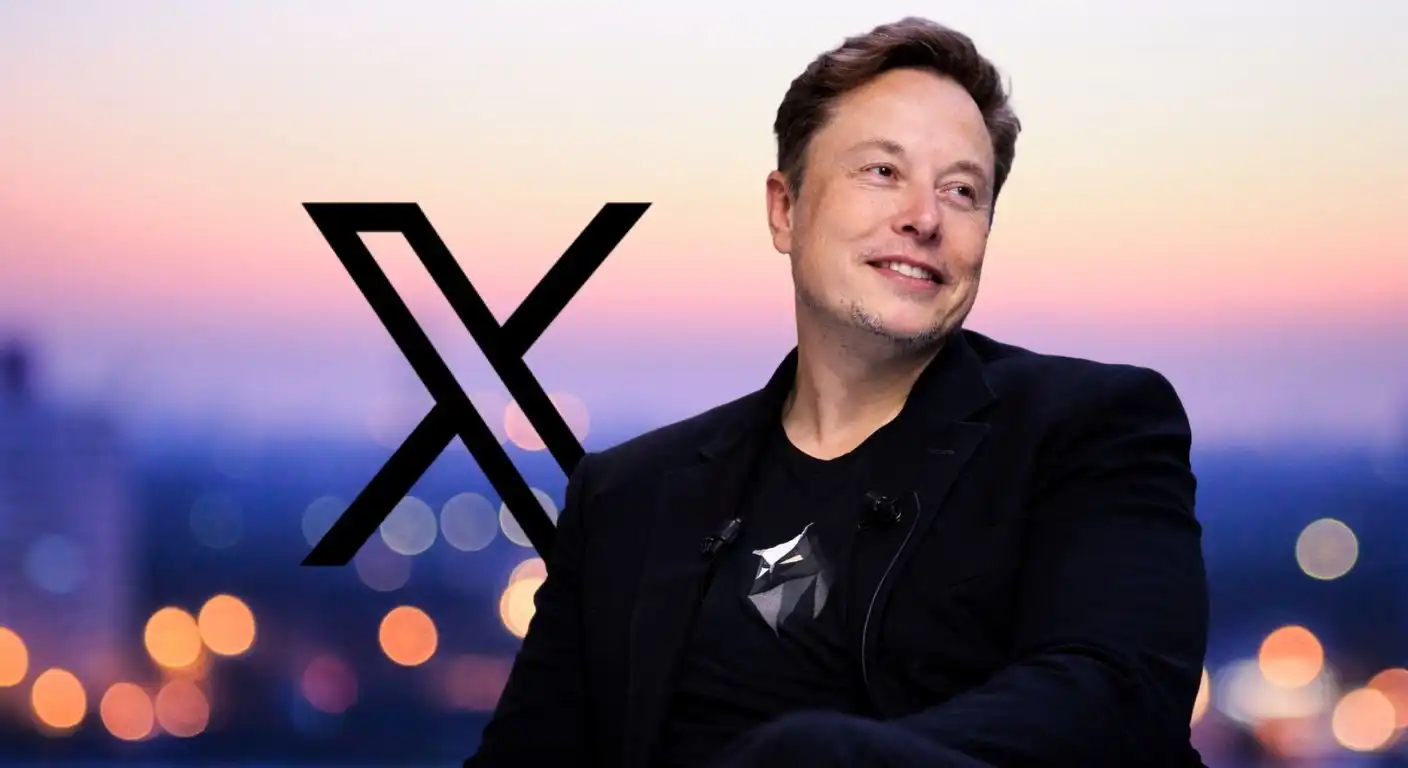
The political landscape in the United Kingdom is facing severe turbulence as a tragic criminal case escalates into a major international row. On Thursday, June 4, 2026, British Prime Minister Keir Starmer accused billionaire tech tycoon Elon Musk of interfering in domestic affairs and trying to whip up division over the horrific murder of 18-year-old student Henry Nowak. Musk’s aggressive posting spree on his social media platform X, where he has commented over 110 times on UK politics in recent days, has reignited long-standing debates about foreign billionaire influence, digital disinformation, and the rise of right-wing populism.
The spark for this political firestorm began with the tragic murder of Henry Nowak, a first-year university finance student who was stabbed to death on Belmont Road in Southampton on December 3, 2025. His killer, 23-year-old Vickrum Digwa, stabbed Nowak five times with a 21-centimeter dagger. Following the brutal assault, Digwa called emergency services and fabricated a racist lie, claiming he acted in self-defense after Nowak racially abused and attacked him. When Hampshire Constabulary officers arrived at the scene, they handcuffed the dying teenager instead of helping him, ignoring his desperate pleas that he had been stabbed and could not breathe.
Although the murder occurred in late 2025, the case exploded back into the public eye on Monday, June 1, 2026, when Southampton Crown Court sentenced Digwa to life in prison with a minimum term of 21 years. Following the sentencing, the release of police bodycam footage showing officers handcuffing the gasping teenager provoked widespread national shock. The visible mistreatment of a dying victim prompted Hampshire’s temporary Deputy Chief Constable Robert France to issue a formal public apology, admitting that officers handcuffed Nowak in his final moments after being completely misled by the killer’s false claims.
Far-right political figures and populist commentators quickly seized upon the shocking footage to advance their own agendas. Nigel Farage, leader of the anti-immigration party Reform UK, claimed the tragedy provided concrete proof of “two-tier policing” in Britain, alleging that law enforcement treats ethnic minorities more favorably than white citizens. Farage publicly urged the British public to respond to the incident with “pure cold rage.” Hours after his remarks, violent protests erupted outside Southampton police station on Tuesday night, where hundreds of angry demonstrators clashed with riot police, pelting officers with chairs, bricks, rocks, and flares, injuring 11 officers and a police dog.
Elon Musk poured massive amounts of digital fuel on these domestic British flames by retweeting and publishing numerous highly inflammatory posts to his 185 million social media followers. Musk fiercely condemned the Hampshire Constabulary, branding the responding officers as “disgusting excuses for law enforcement.” He loudly demanded immediate accountability and went so far as to publicly offer to fund a wrongful death lawsuit against the police force on behalf of the victim’s family. This high-profile intervention from the world’s richest man instantly amplified the local tragedy into a global culture war.
Prime Minister Keir Starmer hit back forcefully during an official trip to Yorkshire on Thursday, delivering his strongest condemnation of the tech billionaire to date. Starmer accused Musk of actively trying to divide British society for social media engagement, urging citizens to ignore the online rhetoric and react with calm and reason. The Prime Minister emphasized that Britain is a country of tolerant, reasonable people who do not let online instigators dictate their national conversations. He noted that even Nowak’s grieving family had explicitly begged the public not to use their son’s tragic death to spread hatred, division, or further violence.
Significant financial support currently backs Reform UK’s growing momentum, with recent Electoral Commission filings showing that Nigel Farage’s party received over £9 million (about $11.5 million) in political donations in the first quarter of 2026 alone. Two prominent cryptocurrency billionaires, including Ben Delo, provided more than 75% of this funding, contributing roughly £7 million to help boost the party’s regional campaigns. This financial backing has allowed Reform UK to aggressively challenge the political establishment, making the Nowak tragedy a major focal point for their anti-immigration platform.
Compounding the tension between Downing Street and the tech mogul, a British lawmaker has launched a direct legal battle against Musk’s artificial intelligence company. On Wednesday, Labour MP Jess Asato filed a lawsuit in London’s High Court against xAI, citing a severe invasion of privacy under the Data Protection Act. Asato alleges that users utilized the company’s Grok chatbot to generate fake, deepfake, sexualized images of her in a bikini without her consent. The lawmaker is seeking substantial financial damages, aiming to establish a legal precedent that forces artificial intelligence platforms to take responsibility for the harmful material their tools generate.
This dual conflict over deepfakes and political interference has put intense pressure on the UK’s Office of Communications (Ofcom). Regulatory authorities are currently reviewing whether social media platforms like X have violated the recently enacted Online Safety Act by failing to curb hate speech and prevent the spread of AI-generated misinformation. If found guilty of systemic negligence, the government could impose multi-million-pound penalties on X or even threaten to block the platform’s operations in the country entirely. Legal experts estimate that these structural adjustments could wipe out up to 1.5% of X’s European advertising revenues as compliance costs escalate.
In the end, the fallout from the Henry Nowak tragedy highlights the immense power that private tech platforms and their billionaire owners now wield over sovereign national politics. While the British public demands deep reforms to address systemic failures within regional policing, foreign tech platforms continue to commodify local grief to fuel global digital engagement. As the UK government attempts to steer the country back toward social cohesion and calm, this high-stakes standoff with Elon Musk reveals a challenging reality: protecting a nation’s social fabric in the digital age requires confronting the unchecked power of the world’s wealthiest digital gatekeepers.