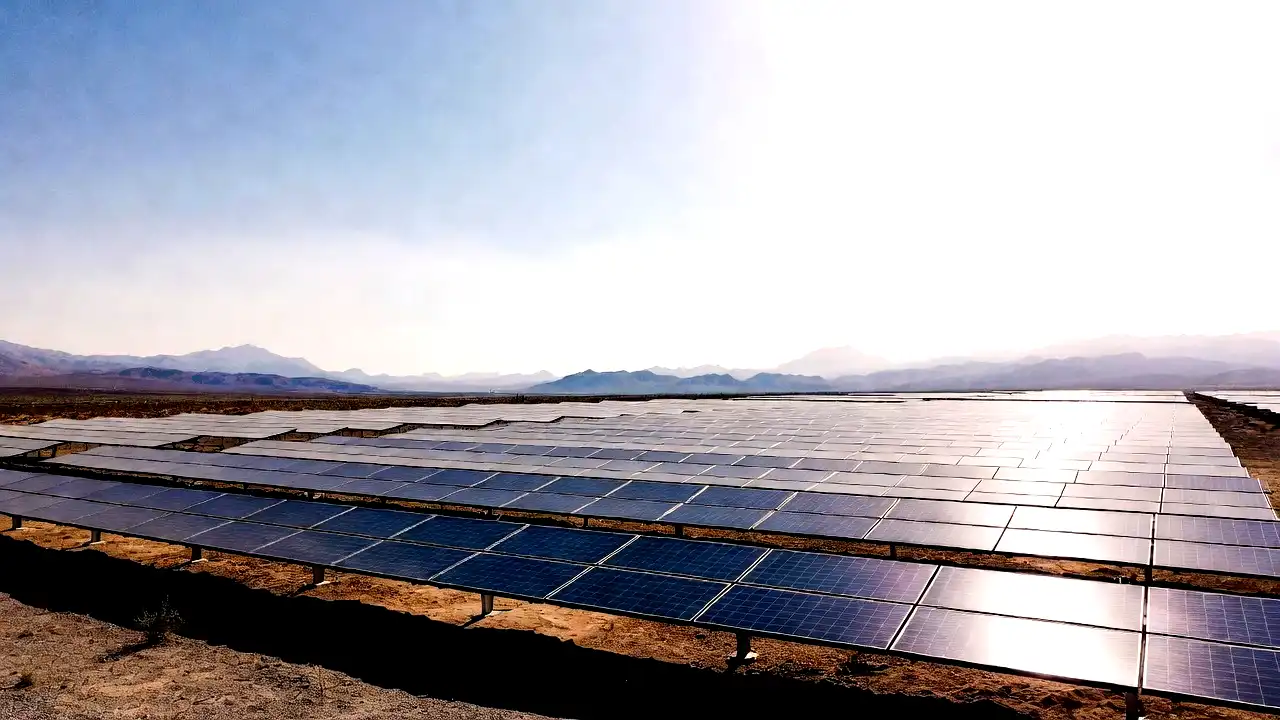
Mexico recently finalized one of the most ambitious electricity procurement processes in Latin American history. The Federal Electricity Commission (CFE) officially awarded 37 renewable energy projects to 31 different private developers. This final decision concludes a massive bidding war that initially saw over 200 initiatives submitted by dozens of companies worldwide. During the early stages of the process, developers proposed a staggering 38 gigawatts of generation capacity for evaluation. The national utility gradually narrowed the field to 40 finalists before selecting the 37 winning developments.
This tender represents the first major execution of Mexico’s highly debated mixed-ownership energy model. The government wants to rapidly expand the national power grid while maintaining strict sovereign control over its energy infrastructure. By forcing private capital to partner directly with the state utility, Mexico is completely rewriting the rules of foreign direct investment in the energy sector. Here at TechGolly, we break down exactly how this new system works, who won the biggest contracts, and why mandatory battery storage is changing the physical layout of the national grid.
The Mechanics of the Mixed-Ownership Scheme
The conventional model for renewable energy development usually allows private companies to build, own, and operate power plants independently. They sell their electricity to the grid or directly to corporate buyers. The Mexican government threw out that playbook entirely for this specific tender.
State Control Meets Private Capital
Under this new strategic framework, the state retains a minimum 54% ownership stake in every single project from the very beginning. Private energy developers act as minority partners, but they shoulder the heavy financial lifting. The private companies must fund construction, manage engineering, and secure supply chain components. In return, the state-owned utility guarantees a massive off-take agreement, committing to purchase 70% of the electricity generated by the plants.
The financial exit strategy makes this model highly unique in global energy markets. The private partners operate the plant and collect revenues until they achieve a pre-agreed level of financial return on their initial investment. Once the private company hits that specific profit threshold, the entire structure shifts. The private developer must transfer total control and full ownership of the power plant back to the government at zero additional cost. This strict transfer mechanism forces developers to calculate their internal rate of return precisely, ensuring they can make a profit before handing the keys over to the state.
A Strategic Pivot for National Power
The Mexican government engineered this specific tender to solve a massive timing problem. The Minister of Energy set a firm target to boost the country’s clean power output to 38% by the year 2030. Right now, renewable sources account for just 24% of the national electricity mix. Bridging that 14% gap requires massive amounts of capital and rapid construction timelines.
The Federal Electricity Commission is currently building 13 power plants on its own, but the state lacks the immediate cash to fund the entire energy transition on its own. CFE specifically requested proposals targeting 7.5 gigawatts of new wind and solar power through this joint venture scheme. By tapping into private equity and global asset managers, the government can scale up clean energy production instantly without taking on massive amounts of public debt.
Analyzing the Top Developers and Winners
The tender drew intense interest from major players across the globe. Companies from the United States, Europe, and domestic Mexican firms fought aggressively to secure a spot in the final portfolio.
Cubico México Leads the Pack
London-backed Cubico emerged as the absolute top winner of the entire process. The firm secured four separate power plant projects, making it the main recipient of the mixed call. Winning four utility-scale projects requires immense financial backing and a proven track record of managing complex grid interconnections. For Cubico, this victory solidifies its position as one of the most dominant renewable energy operators in the Latin American market. The company successfully navigated the complex bidding requirements, proving that its financial models could handle the mandatory handover clause at the end of the investment cycle.
Global Giants and Local Players Securing Spots
Right behind Cubico, Eléctrica Aselco walked away with three project awards. Atlántica Renewable Power México and Solarig each secured two developments. The government distributed the remaining contracts among a wide variety of specialized firms. Thermion Energy, GP Renewables de México, Elawan, Freeman Energy, SQ Infraestructura, Sol de Sonora, and Global Solar America 3 all secured a place in the first portfolio.
The competition was incredibly fierce. Originally, roughly 80 companies registered to participate in the first stage of the process, bringing forward 222 separate proposals totaling 37.7 gigawatts of potential capacity. International heavyweights like Chicago-based Invenergy and United States utility provider AES also participated heavily in the initial bidding rounds. The government spent weeks evaluating the technical feasibility and financial strength of every proposal, ensuring that only developers with the actual capital to break ground made it to the final 31 winners.
Geographic Distribution of the Renewable Assets
Location dictates the success of any wind or solar project. The government distributed the 37 awards across eight different geographic regions of the country, focusing heavily on areas with natural weather advantages and severe local power shortages.
The Peninsular and Northeast Dominance
The Yucatán Peninsula and the Northeast region absolutely dominated the selection board. Together, these two areas secured 20 of the 37 approved projects. That represents a massive 54% of the total awarded portfolio. Each of these two regions received exactly ten new power plants.
The Northeast serves as the undisputed epicenter of Mexico’s wind power industry. The region offers steady, high-speed wind corridors that make massive turbine arrays highly profitable. On the other hand, the Yucatán Peninsula offers massive tracts of flat land and incredibly high solar irradiation. Historically, the Yucatán has suffered from grid isolation and summer power shortages because it sits far from the massive centralized power plants in central Mexico. Pumping ten new renewable projects into the Peninsular grid will help stabilize local electricity prices and prevent rolling blackouts during peak tourist seasons.
Expanding Across the Northwest and Baja
The rest of the map saw a highly strategic distribution of the remaining 17 projects. The Northwest region secured five initiatives. Baja California, Baja California Sur, and the West region each took three projects. The East region landed two developments, and the North region walked away with just one single award.
The awards in Baja California and Baja California Sur carry outsized importance. The Baja peninsula operates almost entirely independently of the national electricity grid. Because they cannot easily import power from neighboring states, local utilities rely heavily on expensive, highly polluting diesel generators to keep the lights on. Pushing new solar arrays and wind farms into Baja gives the isolated region a much cheaper, cleaner baseline of local power generation.
The Mandatory Battery Storage Revolution
The most aggressive and technically demanding rule change in the entire tender process involves energy storage technology. The Mexican government mandated a severe structural change for all winning bids, recognizing that the power grid can no longer handle raw, unmanaged renewable energy.
A Structural Design Change
Every developer seeking to advance their project must incorporate an electricity storage system directly connected to their generation plant. The government set strict numerical rules for this hardware. The battery capacity must exactly equal 30% of the power plant’s total installed generation capacity. Furthermore, the storage system must be able to discharge power continuously for at least three hours.
For example, if a developer builds a 100-megawatt solar photovoltaic farm, they are legally required to install a 30-megawatt battery system capable of running for three full hours. This forces developers to spend heavily on lithium-ion battery modules, specialized inverters, and complex thermal management systems. It changes the fundamental economics of building a solar farm, requiring much higher upfront capital expenditures before a single electron hits the grid.
Grid Reliability and Interconnection
The government enforced this storage rule because grid reliability is dropping. Solar panels only produce power during the daylight hours, and wind turbines stop spinning when the weather settles. Batteries smooth out this aggressive generation curve. They store excess solar power generated at noon and release it onto the grid during evening peak-demand hours, when millions of citizens return home and turn on their air conditioning units.
Beyond the power plants themselves, Mexico’s Secretariat of Energy identified a baseline need for 935 megawatts of standalone energy storage across seven regional control areas. The Northern, Eastern, and Northwestern regions require the heaviest battery support to keep the grid frequency perfectly stable. By forcing the private sector to build these batteries alongside their solar arrays, the government shifts the financial burden of grid stabilization directly onto developers.
Investment, Permitting, and the Fast-Track Process
Approving a power plant requires navigating a massive labyrinth of environmental regulations, social impact studies, and municipal zoning laws. The government knows that simple bureaucracy often kills major infrastructure projects.
Cutting Red Tape for Renewable Developers
To solve the paperwork bottleneck, the Ministry of Energy launched a second call for priority applications specifically designed to cut red tape. They created the Unique Filing System for Strategic Energy Projects to force paperwork online and centralize the approval process. Developers must register and submit their interconnection study applications directly through this digital portal.
To qualify for expedited processing, generation projects must meet strict criteria. They must directly contribute to the reliability of the National Electric System, including the mandatory 30% storage capacity, and provide hard documentary evidence that they completed their social and environmental feasibility procedures. Furthermore, they must guarantee a commercial operation start date between 2027 and the first half of 2030. Projects under 20 megawatts will see the easiest regulatory pathways, allowing smaller solar farms to connect to local distribution lines without waiting years for federal transmission upgrades.
The Economic Impact on Latin America
The sheer scale of this buildout requires a massive mobilization of heavy machinery, raw materials, and skilled labor. Industrial Info Resources tracks 342 active renewable energy projects currently moving through various stages of development across Mexico. Together, these projects have an estimated value of $31 billion.
This specific 37-project tender unlocks a large chunk of that trapped capital. The banking sector views these specific awards favorably because the 70% off-take agreement with the state utility provides a guaranteed, stable revenue stream. Commercial banks will lend billions of dollars to the winning developers to purchase the solar panels, wind turbine blades, and battery cells necessary to hit the 2027 commercial operation deadlines. This massive influx of construction spending will ripple through local economies, creating thousands of temporary construction jobs and hundreds of permanent maintenance positions across rural Mexico.
What This Means for the Global Energy Transition
The success of this tender sends a very clear signal to global energy markets. Governments in developing nations want clean power, but they refuse to hand over the keys to their national grids to foreign corporations.
Foreign Direct Investment Flowing South
International developers have shown they are fully willing to accept the 54% state-ownership rule because the Mexican market offers massive scale. The demand for industrial electricity is exploding right now. The trend of “nearshoring” is driving hundreds of manufacturing companies to move their factories out of Asia and rebuild them in northern Mexico to sit closer to the United States border.
These massive new automotive plants, textile factories, and electronics assembly lines require enormous amounts of electricity to operate. Furthermore, many of these multinational corporations have strict internal climate goals. They refuse to buy dirty power generated by burning coal or heavy fuel oil. Mexico must build clean, renewable energy to keep attracting these lucrative foreign factories. The 37 newly awarded projects serve as the direct fuel for this industrial manufacturing boom.
The Road to 2030
Mexico has exactly four years left to hit its 38% renewable energy target. The timeline leaves absolutely no room for error. The developers must secure their final financing, order their hardware, break ground on construction, and successfully connect their power plants to the grid by the first half of 2030.
If these 37 projects successfully come online on time and within budget, the mixed-ownership model will likely become a permanent fixture in Mexican energy policy. It might even serve as a practical blueprint for other developing nations across Latin America and Asia that desperately want private capital to fund their energy transitions but refuse to surrender sovereign control of their physical infrastructure. The entire global energy sector will watch closely as these developers attempt to turn 37 paper contracts into fully operational power plants over the next four years.