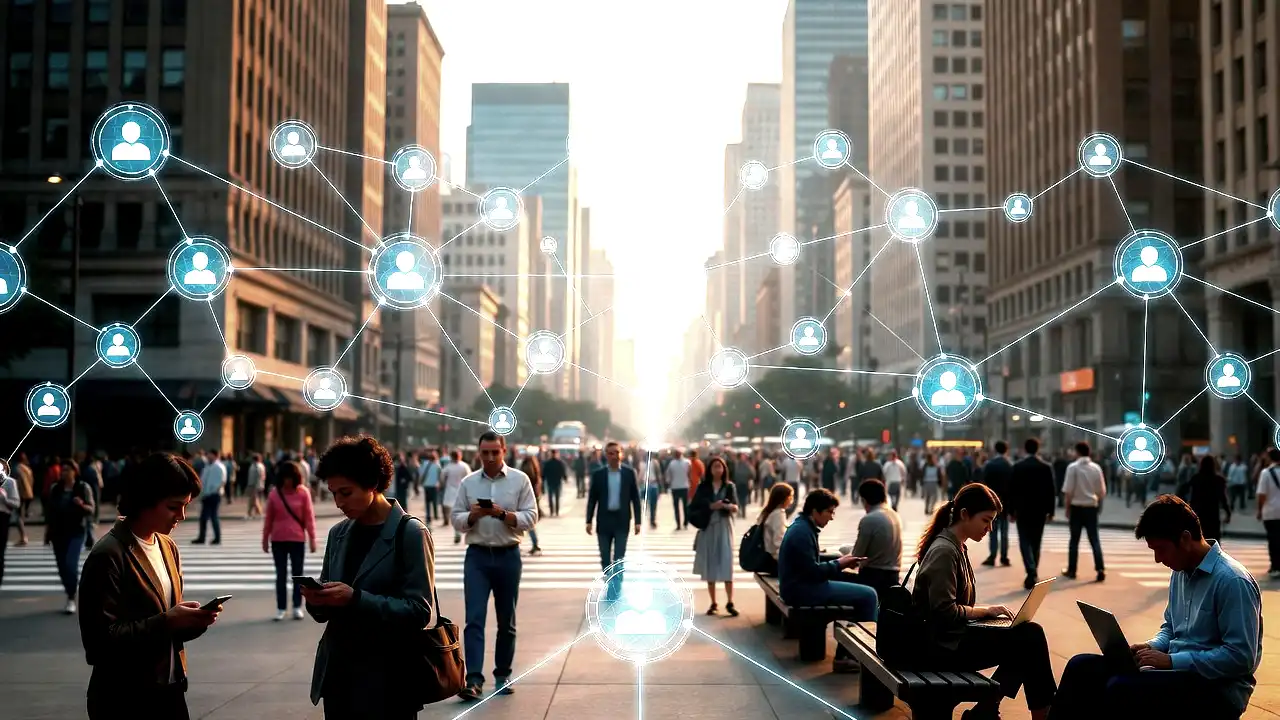
For decades, the global tech industry felt like a cozy, exclusive club. A few wealthy cities in the West held all the money, designed all the major software, and decided what tools the rest of the world would use. This centralization created a massive imbalance of power and wealth. But today, the old geographic monopolies are breaking apart. We have entered a highly competitive global tech economy where brilliant ideas and groundbreaking products emerge from every corner of the world. This shift is not just about making existing tools faster. It is a complete redistribution of human potential, where local developers solve local problems and compete directly on the world stage.
The Decentralization of Startup Hubs
We once believed that a founder had to pack their bags, move to a high-cost Western city, and rent an expensive office just to get a meeting with a serious investor. That outdated rule has died a quiet death. High-speed internet, collaborative cloud platforms, and remote-work tools have completely leveled the playing field. Today, a small team of developers in Dhaka, Nairobi, or Bogota can build a world-class application on the same infrastructure as a giant company in Silicon Valley. We see the rise of vibrant, highly active startup hubs in regions we once ignored. These local teams hold a massive advantage: they understand the unique daily struggles of their own communities and build solutions that giant, distant corporations would never think to create.
Solving Real Problems Instead of Chasing Clicks
The old tech hubs grew incredibly rich by building tools designed to trap our attention. They designed infinite scrolls, addictive notification loops, and shiny photo filters to maximize advertising revenue. But in a highly competitive global economy, these digital toys are losing their appeal. The newest wave of global innovators is focusing on hard, physical-world challenges. They are building smart agricultural sensors that help farmers protect their crops from climate disasters, cheap medical diagnostic tools for rural clinics, and decentralized solar grids that bring electricity to off-grid villages. This is the true definition of innovation. It is about applying our brightest minds to the things that actually keep human beings alive and healthy.
The Rise of Open-Source Collaboration
No single company can hoard the future of technology anymore. The old strategy of building proprietary, secret systems within a walled garden is failing to withstand the massive power of open-source collaboration. Today, the most exciting breakthroughs in software, artificial intelligence, and hardware design happen in public, global developer communities. A programmer in a small town can share a piece of code that instantly improves a tool used by millions of people worldwide. This collaborative model dramatically accelerates the pace of innovation. It ensures that the best ideas win, regardless of who owns the patent or where the creator lives.
Adapting to the Velocity of Change
In a hyper-competitive economy, the most dangerous thing a business can do is stand still. A technical skill that made you highly valuable five years ago might make you obsolete today. The modern global workforce must learn the difficult art of constant unlearning. We have to be willing to throw away our favorite old tools and master the next generation of systems as soon as they arrive. This rapid pace of change requires immense humility and intellectual agility. Staying relevant means staying uncomfortable, constantly approaching your own work with the curiosity of a first-year student.
The Geopolitics of the Supply Chain
We cannot talk about global innovation without talking about the physical hardware that runs it. The computer chips, the raw minerals, and the manufacturing plants are the real gears of the digital economy. For too long, the world relied on a single, highly vulnerable supply chain for these critical components. A bottleneck in one factory could freeze industries worldwide. Today, we are seeing a massive geopolitical scramble to diversify this hardware foundation. Countries are racing to build their own local chip factories and secure their own mineral supplies. The nation that stamps the silicon controls the speed of the future, and this race is reshaping international relations.
Breaking the Language and Cultural Barriers
Language once acted as a massive, invisible wall in the global tech market. If you did not speak the primary language of the tech giants, you could not easily participate in the digital economy. Modern global innovation is tearing this wall down. We are building translation tools and localized software interfaces that allow everyone to participate on their own terms. An agricultural app built for a farmer in South Asia can now easily be adapted for a similar community in East Africa. By translating our tools and sharing our solutions, we build a much more connected, inclusive, and resilient global market.
The Human Mind as the Ultimate Competitive Advantage
As machines take over the repetitive tasks of writing basic code, analyzing data, and managing logistics, we must ask what the human worker actually does. The answer is simple: we provide the empathy, the creativity, and the ethical judgment that machines lack. An algorithm can calculate the most efficient path for a truck, but it cannot understand why a local community needs a new school instead of a new warehouse. In this competitive tech economy, our humanity is not a liability; it is our ultimate competitive advantage. The best innovators will be those who use technology to amplify human capability, not to erase it.
Conclusion
The global tech economy is no longer a race with a single winner. It is a diverse, vibrant, and highly competitive ecosystem where innovation can emerge from anywhere. By dismantling the old geographic monopolies, embracing open-source collaboration, and focusing on real-world human needs, we are building a digital world that is far more resilient and fair. We still face massive challenges regarding hardware supply chains and digital inequality, but the path forward is clear. The future of technology does not belong to a single city or a single corporation. It belongs to anyone with a brilliant idea, a laptop, and the courage to build.