

Key Points:
- U.S. auto dealerships have restored inventory to nearly 2.9 million vehicles, yet high interest rates and sticky manufacturer prices continue to pinch buyers.
- The average list price for a new vehicle surged 2.2% to $49,213, with almost 9% of dealers listing cars above MSRP.
- The used electric vehicle market is facing a severe valuation collapse, with average pre-owned electric cars losing up to $15,000 in a single year.
- Off-lease volumes are projected to rise 25.7%, providing used-car buyers with a much-needed influx of three-year-old stock.
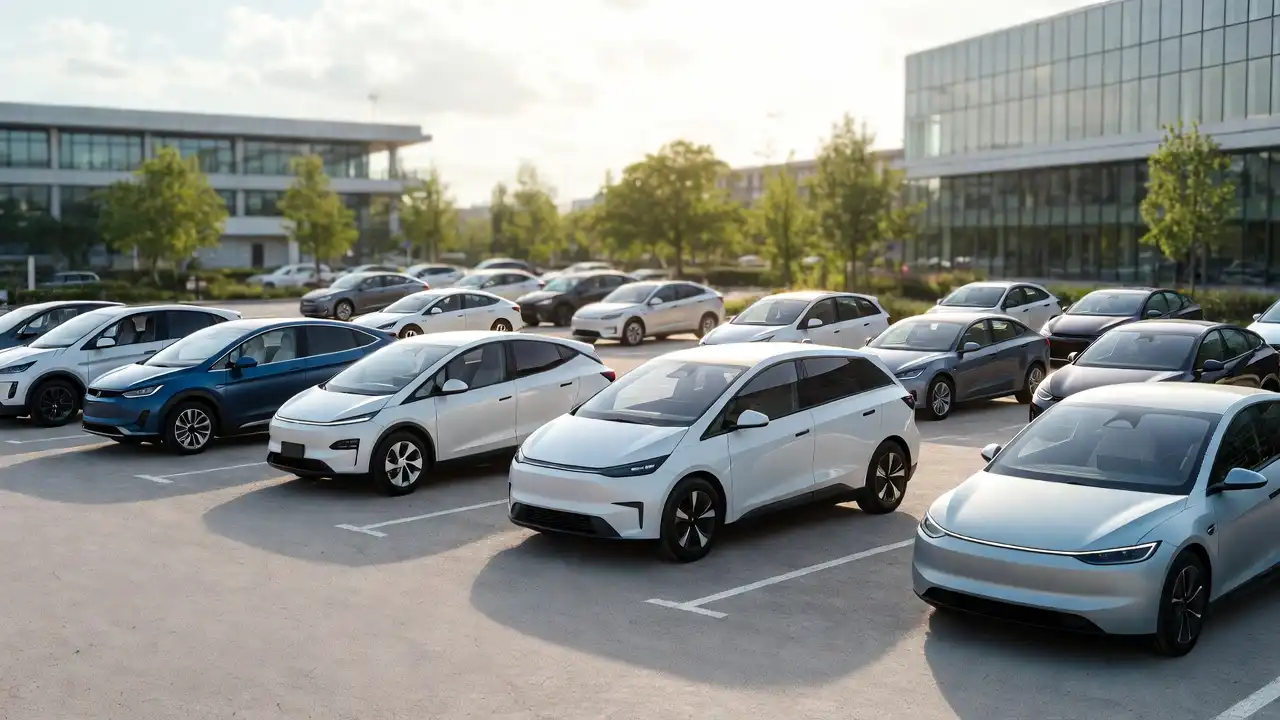
The long-awaited normalization of the automotive market is delivering some highly unexpected results for car buyers. For several years, consumers and dealers struggled with severe pandemic-era microchip shortages, shipping delays, and empty car lots, which drove vehicle prices to historic highs. Today, the U.S. auto industry crisis has entered a major new phase. While factories are finally churning out vehicles at maximum capacity and dealership lots are well-stocked once again, consumers are discovering that fuller lots are not translating into the cheap, affordable car deals they had been waiting for.
According to the latest retail tracking data, overall new vehicle inventory in the United States has recovered to approximately 2.9 million units. This massive supply surge provides consumers with far more choices and gives dealers greater flexibility during negotiations. Yet, despite this healthy supply, manufacturers are refusing to lower their prices. The average list price for new vehicles actually surged 2.2% to a staggering $49,213, near the highest level recorded in three years. Even more shockingly, nearly 9% of all new vehicles on dealer lots are currently listed above their manufacturers’ suggested retail prices (MSRPs), indicating that automakers are aggressively defending their profit margins.
The primary roadblock preventing middle-class consumers from buying these newly available cars is the persistent burden of high interest rates. While the average annual percentage rate (APR) on a new-vehicle loan dropped slightly to 6.6% from its peak, borrowing costs remain structurally elevated. This affordability crunch means that even if a dealer offers a minor discount on the sticker price, the high cost of financing quickly wipes out those savings in the monthly payment. With the average monthly car payment now hovering near $1,000 for well-equipped models, many consumers are finding themselves completely priced out of the new-car market.
While new vehicle prices remain stubbornly high, the pre-owned electric vehicle (EV) segment is facing a severe, highly volatile valuation collapse. Early adopters who purchased premium electric cars over the past two years are experiencing a bloodbath of depreciation. Average used EV prices are collapsing, with many popular models losing between $10,000 and $15,000 in value in a single year. This rapid-fire depreciation has left millions of buyers trapped in negative equity—meaning they owe far more on their auto loans than their cars are worth—creating a silent, highly dangerous auto-loan debt bubble.
For cost-conscious consumers, this steep depreciation has turned the pre-owned market into a highly attractive buying window. The used car “sweet spot” has shifted decisively to three-year-old vehicles, whose residual values have sunk to a five-year low of just 66% of their original MSRP. To help used car buyers, the market expects a significant influx of inventory, as off-lease volumes are projected to rise by 25.7%, representing nearly half a million additional three-year-old units compared to last year. This influx of off-lease cars should help stabilize used car prices, keeping the average three-year-old pre-owned transaction price near $31,548.
Adding another layer of complexity to the market, persistent geopolitical disruptions are heavily influencing consumer buying habits. The ongoing war in Iran has kept U.S. retail gasoline prices elevated, with the average at $4.30 per gallon nationwide. This persistent pain at the pump has driven a massive surge in demand for fuel-efficient hybrid vehicles. In May, popular hybrid models from Toyota and Honda saw sales spike, with Honda reporting a 26% jump in hybrid CR-V deliveries. This hybrid rush has driven the average transaction price for popular passenger cars over $36,000 for the first time in years.
While brands like Toyota, Honda, and Lexus continue to operate with highly restricted inventories, other major manufacturers are facing a full-blown inventory meltdown. Legacy brands owned by the multinational giant Stellantis—including Jeep, Ram, Dodge, and Chrysler—have seen their dealer lots turn into virtual graveyards where unsold vehicles rot. At current sales rates, several Stellantis models are sitting on lots for over 550 days, with the Dodge Charger averaging over 15 months of unsold inventory. This massive oversupply has forced dealers into a panic, prompting them to offer aggressive, five-digit discounts just to clear out old stock.
CNBC’s investigative reporting into the auto sector suggests that corporate greed has dug its own grave. During the pandemic-era supply shortages, automakers and independent dealerships took full advantage of desperate buyers, routinely charging thousands of dollars in markups and add-on fees on top of the sticker price. At the same time, manufacturers focused almost exclusively on producing high-spec, premium-trimmed SUVs and trucks because they carry significantly higher profit margins. By leaning in too far and refusing to build affordable, entry-level passenger options for the average American family, automakers have alienated their core customer base, sparking intense friction with their own dealer networks.
This persistent affordability gap has left the domestic automotive market highly vulnerable to external, low-cost competition. Chinese electric vehicle manufacturers like BYD are rapidly expanding globally, producing high-tech, highly efficient electric models that retail for under $25,000. While the U.S. government has implemented strict import tariffs to shut these companies out of the American market, industry analysts warn that these protectionist barriers are merely short-term band-aids. If American auto giants fail to lower their manufacturing costs—which would require investing over $1 billion to reconfigure local assembly lines—and deliver affordable, sub-$25,000 vehicles, consumers may preventatively force politicians to lift the trade barriers. Even a minor 1.5% change in public trade policy could open the floodgates to foreign competition, completely restructuring the domestic market.
Ultimately, the historic car market reset represents a vital turning page for the global automotive industry. The speculative era of the pandemic-era car shortage, where dealers could charge whatever they wanted, has officially come to an end. As manufacturers face high interest rates, rising inventories, and cooling consumer demand, they must pivot back to the fundamentals of affordability, reliability, and simple, high-value engineering. How successfully legacy automakers can lower their retail prices and transition their fleets to meet the massive demand for hybrid power over the coming months will determine which brands dominate the highway for the next decade.






