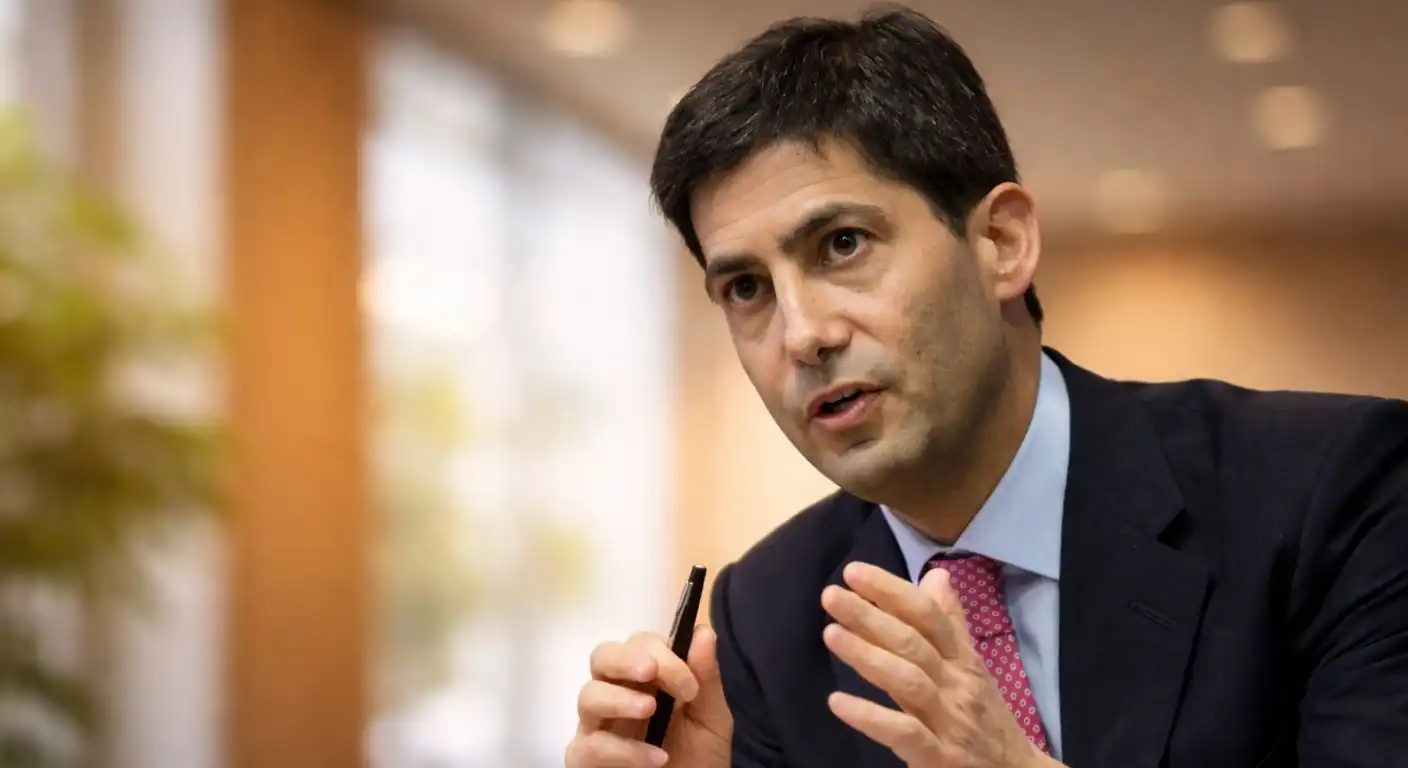
Key Points:
- Newly sworn-in Federal Reserve Chair Kevin Warsh faces his first interest-rate policy meeting next week.
- The latest consumer price index rose at a hot 4.2 percent annual pace, a three-year high.
- Strong hiring data and wage gains of over 3 percent have further fueled concerns about economic overheating.
- President Donald Trump has publicly campaigned against rate hikes, calling them an unfair penalty on success.
The newly appointed Federal Reserve Chair, Kevin Warsh, faces an immediate, high-stakes battle over monetary policy as he prepares to lead his first interest-rate-setting meeting. Sworn in on May 22 as the 17th Chair of the Federal Reserve, Warsh must navigate an economy undergoing a sudden, volatile shift. Although he previously expressed sympathy for lower borrowing costs, an unexpected acceleration in consumer prices has scrambled the macroeconomic outlook. The new central bank chief must now decide whether to raise interest rates to combat inflation, directly defying public demands for lower rates from the president who appointed him.
The primary trigger for this policy dilemma is the latest Consumer Price Index (CPI) report, which shows inflation running far hotter than previous forecasts. Government data reveals that the CPI rose at a 4.2% annual pace in May, marking the first time in three years that inflation has topped the 4.0% threshold. This sharp acceleration stems largely from soaring energy and fuel costs, which have rapidly filtered into secondary consumer services and retail goods, creating a highly challenging environment for a central bank tasked with maintaining price stability.
This sudden inflation resurgence traces directly back to geopolitical shocks and trade policies. The military campaign in Iran has effectively closed the Strait of Hormuz, disrupting nearly 20% of the world’s daily oil and liquefied natural gas flows. This maritime blockade sent fuel prices surging, with the average U.S. gasoline price climbing by 53% to $4.55 a gallon. Additionally, wide-ranging import tariffs have further elevated raw material expenses, leaving businesses with little choice but to pass these higher operating costs directly onto consumers.
Compounding the inflation problem, the domestic labor market remains exceptionally tight, indicating that the economy continues to run hot. The latest employment report shows that total nonfarm payrolls climbed to 159.0 million in May, extending a strong hiring streak that began at the start of the year. The unemployment rate held steady at a low 4%, while average hourly earnings rose to $37.53, up from $36.28 a year earlier. This steady wage expansion provides consumers with the spending power to absorb higher prices, creating a persistent, service-driven inflation engine.
This macroeconomic picture has set the stage for an intense political showdown between the White House and the independent central bank. President Donald Trump has publicly campaigned for lower borrowing costs, warning that raising interest rates would choke economic growth. In a recent broadcast interview, Trump insisted that there is no reason to raise rates, claiming that rate hikes try to kill success. While the president stated that he respects the new Fed chief, he made his preference clear, arguing that the central bank should lower rates to support military spending and manage national debt.
Despite this political pressure, the central bank’s statutory independence remains a cornerstone of its global credibility. Economists and market analysts argue that if the new Fed chief yields to political demands and cuts rates amidst a 4.2% inflation spike, the move could backfire spectacularly. Rather than lowering borrowing costs, a politically submissive Fed would likely trigger a massive loss of investor confidence, driving long-term interest rates and bond yields even higher as international lenders demand a premium for inflation risk.
Fixed-income markets have already started pricing in a much tighter monetary path. Following the hot inflation and employment data, the yield on the 2-year U.S. Treasury note jumped to 4.17%, while the 10-year yield settled at 4.55% and the 30-year yield climbed to 5.01%. This repricing of the bond market indicates that investors do not believe the inflation-is-transitory narrative. Major investment banks have scrapped their earlier predictions for interest rate cuts this year, with traders now fully pricing in a 25-basis-point rate increase before the end of the year.
As the Federal Open Market Committee prepares to meet on June 16 and 17, most analysts expect the bank to hold the benchmark interest rate steady in the 3.5% to 3.75% range. However, Warsh’s first major tactical test will likely center on the meeting’s policy statement and subsequent press conference. Economists expect the new chair to alter the bank’s forward-looking communication by removing outdated language hinting at future rate cuts. By shifting to a hawkish, data-dependent tone, Warsh can signal his independence and prepare the public for future hikes.
The clash over interest rates marks a permanent turning page for the newly appointed Federal Reserve leadership. The comfortable assumption that the central bank could easily ease monetary policy to please political backers has shattered against the reality of a war-driven energy crisis and a hot domestic labor market. Whether Kevin Warsh prioritizes political harmony or monetary stability will ultimately dictate the path of the global economy. By defying political pressure and taking a firm stand against inflation, the new Fed chief can cement his credibility and protect the nation’s long-term prosperity.