Key Points:
- Venezuela signed five energy agreements with Shell, including a license for the massive Loran offshore gas field.
- The Loran field straddles the maritime border and holds an estimated 10 trillion cubic feet of natural gas.
- Shell plans to transport the gas via subsea pipelines to Trinidad’s Atlantic LNG terminal for global export.
- Recent U.S. sanctions modifications clear the way for non-U.S. companies to develop these shared fields.
Trinidad and Tobago is preparing to receive massive volumes of natural gas from Venezuela’s offshore fields following a historic regulatory breakthrough in Caracas. Venezuela’s acting President Delcy Rodríguez signed a milestone license granting British oil giant Shell the rights to explore and exploit the highly coveted Loran gas field, which straddles the maritime boundary between the two nations. This joint development marks the end of 23 years of stagnation, establishing a clear pathway to feed Trinidad’s underutilized processing infrastructure and boost regional exports.
The Loran field forms part of the massive Loran-Manatee cross-border reservoir system, which holds an estimated 10 trillion cubic feet (Tcf) of natural gas. The vast majority of these reserves—approximately 7.3 Tcf—reside within Venezuelan territory, while the remaining 2.7 Tcf extends into Trinidad’s sovereign waters. While Trinidad and its operating partners have actively prepared to develop their side of the reservoir, the much larger Venezuelan portion has remained idle for decades due to underinvestment, political gridlock, and international sanctions.
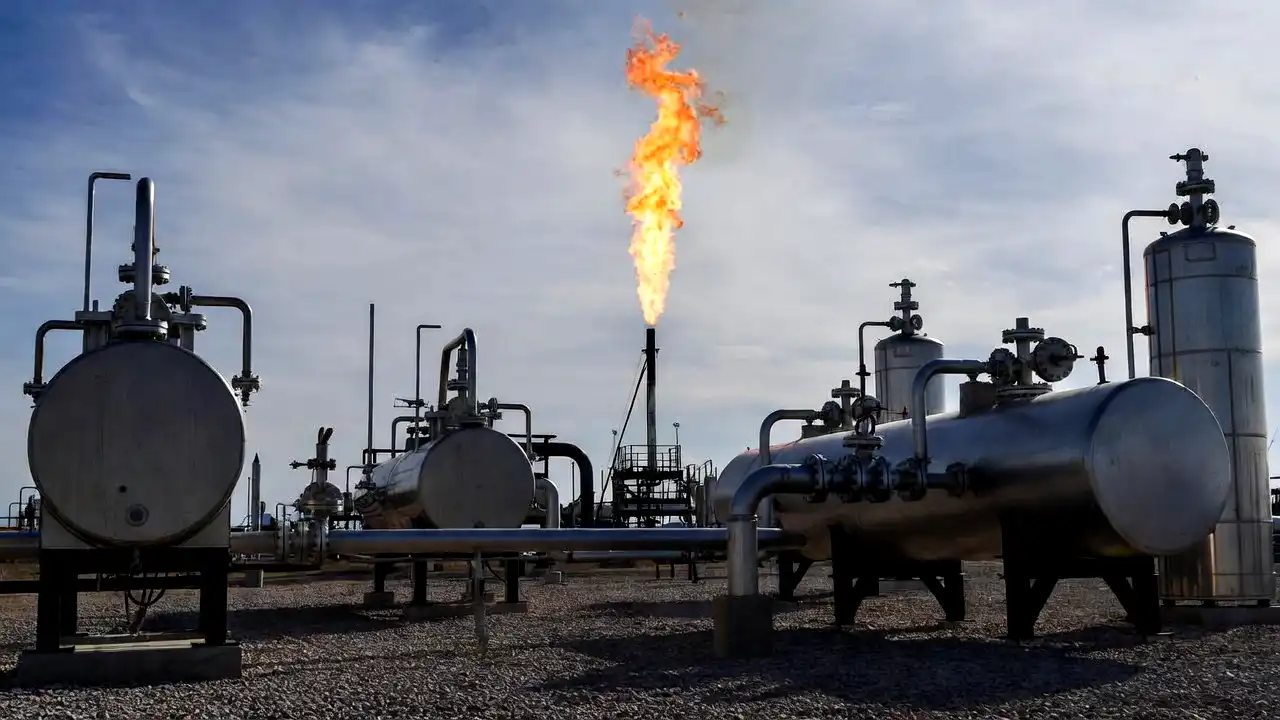
Under the terms of the newly signed agreement, Shell intends to transport the natural gas extracted from the Venezuelan side of Loran straight to Trinidad’s offshore infrastructure via subsea pipelines. The gas will flow directly to the Atlantic LNG export terminal in Point Fortin, Trinidad, where the company holds a significant operating stake. This terminal represents the largest LNG export facility in Latin America. Still, it has operated far below its installed capacity in recent years due to a sharp decline in Trinidad’s domestic gas production, making this cross-border supply vital for securing feedstock.
This major energy development progressed rapidly following dramatic political shifts in Caracas earlier this year. Following the U.S. military’s January capture of former President Nicolás Maduro, Venezuela’s new reform-minded interim government, led by Delcy Rodríguez, enacted sweeping changes to the country’s Organic Hydrocarbons Law. The legal rewrite lowered taxes and capped royalties. It permitted private companies to hold majority ownership in joint ventures, successfully triggering an immediate rush of multinational energy companies eager to tap the country’s massive reserves.
The joint project also received a massive boost from a major policy shift in Washington. According to a Reuters report, the U.S. Treasury’s Office of Foreign Assets Control updated its regulatory guidelines to clarify that non-U.S. companies are not subject to secondary sanctions for engaging in authorized transactions with Venezuela’s state oil company, PDVSA. This blanket clearance enables both Shell and the British energy giant BP to proceed with their cross-border plans without the friction of seeking individual U.S. government waivers.
This regulatory clarity has re-energized other major cross-border projects. British energy giant BP is also set to participate in the development of the Loran field alongside Shell. Furthermore, BP holds a separate agreement with the Venezuelan government, signed in April, to develop the adjacent Cocuina-Manakin offshore gas project. The Cocuina-Manakin field, which also straddles the maritime border, contains an estimated 1 Tcf of proven gas reserves, providing another highly reliable source of fuel to stabilize Trinidad’s petrochemical and ammonia industries.
To manage this massive influx of cross-border gas, Trinidad and Tobago’s government is actively negotiating the commercial terms of these projects. Finance Minister Davendranath Tancoo recently told parliament that the administration intends to secure highly favorable fiscal arrangements to protect the national interest. Energy Minister Dr. Roodal Moonilal also confirmed that the country expects the first gas flows from Venezuela’s Dragon field by late 2027, with the Loran field following shortly thereafter. To prepare its local infrastructure, Trinidad expects upstream foreign capital expenditure to reach $2.5 billion this year.
The successful finalization of the Loran gas license marks a permanent turning page for the Caribbean energy landscape. By successfully bridging geopolitical divides and connecting Venezuela’s massive offshore reserves with Trinidad’s state-of-the-art export terminals, the project establishes a highly resilient energy corridor. As Shell and BP prepare to initiate the first phase of physical construction, this cross-border pipeline network will not only rescue Trinidad’s industrial economy from a severe supply squeeze but also position the region as a major, highly reliable exporter of liquefied natural gas to an energy-hungry global market.