Key Points:
- Japanese Prime Minister Sanae Takaichi finalized an £18 billion investment deal during her historic meeting with UK Prime Minister Keir Starmer.
- The strategic alliance will channel up to £9 billion into British offshore wind projects to strengthen energy security.
- The two nations agreed to speed up the joint development of a next-generation fighter aircraft alongside Italy.
- The joint declaration explicitly condemned economic coercion and arbitrary export restrictions on critical minerals.
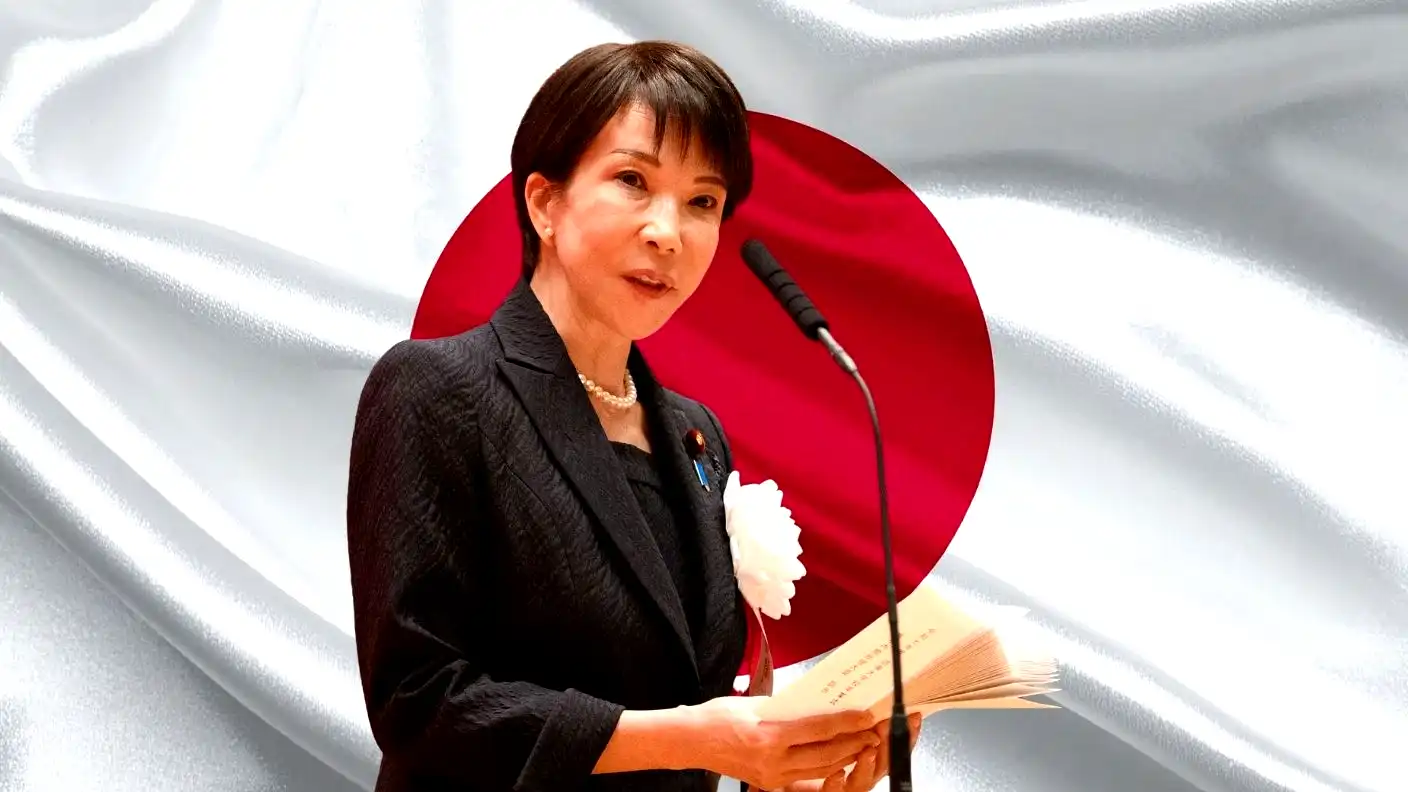
Sanae Takaichi finalizes a historic, multi-billion-dollar strategic alliance between Japan and the United Kingdom, marking a monumental shift in geopolitical and technological cooperation between the two economic powers. During a high-profile diplomatic visit to London, Japan’s first female Prime Minister met with her British counterpart, Keir Starmer, at Downing Street to sign a series of sweeping agreements on energy security, defense, and frontier technologies. Takaichi described the deepening relationship as a “quasi-alliance,” vowing to upgrade bilateral ties to unprecedented heights as both nations face escalating geopolitical threats and economic pressure from hostile foreign states.
Following their formal bilateral negotiations, Starmer and Takaichi shared a highly personal moment in Downing Street, which local officials captured in a widely circulated social media photograph. The two leaders paused to admire a portrait of former British Prime Minister Margaret Thatcher. Takaichi, who made history recently by becoming Japan’s very first female head of government, has long cited the “Iron Lady” as her primary political idol. Analysts note that Takaichi seeks to emulate Thatcher’s trademark fiscal discipline and uncompromising stance on national defense, a political philosophy that directly shapes her assertive approach to international relations.
The centerpiece of the summit is a massive £18 billion ($24 billion) investment package designed to stimulate the British economy and solidify joint energy initiatives. Under the joint declaration, Japan will channel more than £9 billion ($12 billion) into British infrastructure projects and financial services over the next five years. Additionally, Japanese energy developers will invest up to £9 billion specifically to construct massive offshore wind power projects across the United Kingdom. This historic capital injection will directly support the UK’s transition to renewable energy while strengthening British energy security in the wake of the devastating Strait of Hormuz shipping crisis.
On national defense, the two prime ministers agreed to speed up the development of a highly advanced, next-generation fighter aircraft. The joint military program, which also includes Italy, aims to produce a state-of-the-art combat jet to replace aging Western fleets by the mid-2030s. The defense ministry confirmed that both leaders are committed to streamlining their regulatory and engineering pipelines to speed up production. This trilateral defense collaboration highlights a growing resolve among democratic allies to project strength and deter rising security threats, particularly from Russia’s ongoing military campaigns and North Korea’s ballistic missile testing.
A primary driver of the summit’s economic security agenda is China’s increasingly aggressive trade policies and export restrictions. Relations between Tokyo and Beijing deteriorated sharply after Takaichi made parliamentary remarks suggesting that an armed attack on Taiwan would prompt an immediate military response from Japan’s Self-Defense Forces. In retaliation, China tightened restrictions on exporting critical dual-use items and rare earth elements to Japan. In their joint statement, Starmer and Takaichi expressed grave concerns regarding economic coercion and arbitrary export controls, pledging to build highly resilient, independent supply chains for critical minerals.
To protect their technological edge from foreign subversion, the two leaders officially launched the Japan-UK Frontier Technology Partnership. This comprehensive agreement establishes a formal framework for deep, bilateral research and development across several high-risk, high-reward sectors, including artificial intelligence, quantum computing, space exploration, robotics, and advanced cybersecurity. By establishing uniform safety standards and sharing raw research data, the two nations want to ensure that advanced technology developments remain secure and aligned with democratic values.
The summit also catalyzed a series of major private-sector agreements during a high-level business roundtable attended by both prime ministers. Additionally, Japan’s state-backed chipmaker Rapidus Corp. signed a landmark memorandum of understanding with the UK Semiconductor Centre to strengthen future collaborations in chip manufacturing. Rapidus, which is currently constructing an advanced 2-nanometer wafer fabrication plant in Hokkaido, will begin sharing critical technical information and holding joint discussions with the British industry promotion body to build a more resilient global semiconductor supply chain.
The high-profile visit to London represents a key component of Takaichi’s broader European diplomatic tour, which focuses heavily on economic security and supply chain resilience. After completing her meetings in Britain, the Japanese leader will travel to Italy for bilateral talks before heading to France to attend the three-day Group of Seven (G7) summit in the resort town of Evian-les-Bains. By securing these major bilateral investment and defense pacts with European allies ahead of the G7 gathering, Takaichi has successfully positioned Japan as a leading architect of Western economic and national security strategies.
The historic agreements signed at Downing Street mark a permanent turning page for UK-Japan relations and the global technological landscape. By combining Japanese investment capital and advanced manufacturing expertise with British engineering pedigree and strategic location, the newly established “quasi-alliance” has created a highly resilient economic shield. As both nations begin executing these massive clean energy and semiconductor programs, their cooperation will not only secure high-paying jobs but also establish a powerful, democratic counterbalance to rising authoritarian influence in Europe and the Indo-Pacific.