Key Points:
- Fox Corporation entered a definitive agreement to acquire Roku in a cash-and-stock transaction.
- The buyout values the digital streaming pioneer at approximately $22 billion in enterprise value.
- The combined business will rank as the third-largest player in U.S. television by share of viewing.
- Roku founder Anthony Wood will join Fox’s board and maintain an ongoing leadership role.
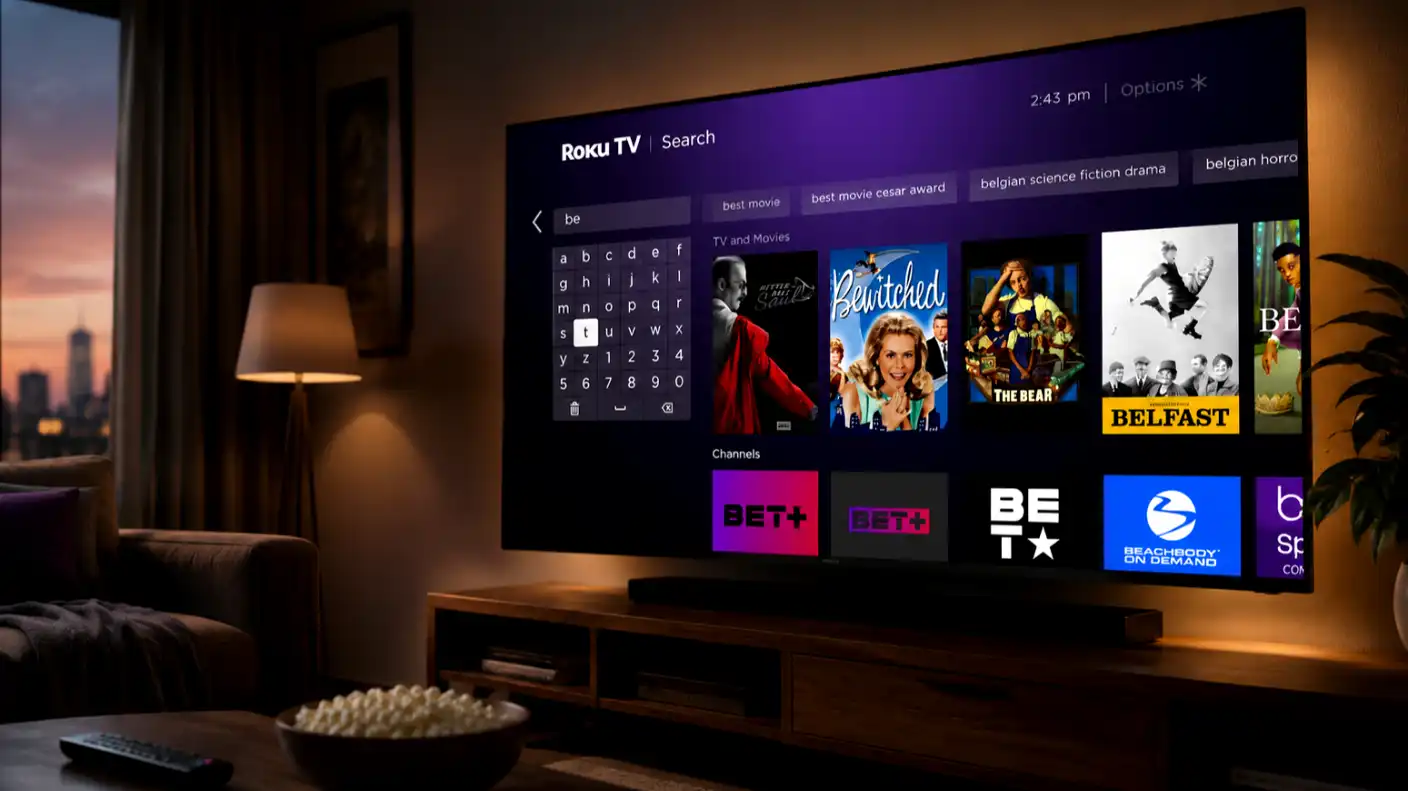
Fox Corporation to Acquire digital streaming pioneer Roku in a monumental transaction valued at approximately $22 billion. The cash-and-stock deal unites one of the most prominent live sports and news broadcasters in the United States with a connected television platform that reaches more than 100 million global households. By combining these highly complementary assets, the media conglomerate intends to build a next-generation entertainment and technology powerhouse. The buyout accelerates the industry’s ongoing shift toward digital distribution, establishing a consolidated media giant capable of capturing a substantial share of total television viewing.
The formal agreement specifies that the purchasing company will pay $160 per share for the streaming hardware and software specialist. Under the terms of the transaction, Roku shareholders will receive $96 in cash and approximately 0.97 shares of Fox Class A common stock for each share they hold. Upon completion of the merger, existing Fox shareholders will own approximately 73% of the combined enterprise, while Roku shareholders will hold the remaining 27%. Sponsoring executives expect the joint operations to generate at least $400 million in annual synergy savings once they fully integrate their back-office and technology divisions.
This landmark acquisition represents a defining moment for the company’s long-term digital strategy under Executive Chair and Chief Executive Officer Lachlan Murdoch, who assumed full board leadership in 2023. Since reorienting its business around live news and sports, the media group has steadily expanded its digital footprint. In 2020, the firm acquired ad-supported streaming platform Tubi for $440 million, subsequently transforming it into one of the most successful free streaming services in the country. Merging Tubi’s vast content library with Roku’s hardware ecosystem and the ad-supported Roku Channel represents the next logical step in building a dominant, all-in-one entertainment engine.
According to a report by the Wall Street Journal, the merger will also fundamentally alter the leadership structure of the combined business. Roku’s founder, chairman, and chief executive, Anthony Wood, will join the board of directors and assume an ongoing leadership role within the newly merged technology division. Wood, who founded the company in 2002 and holds a personal net worth estimated at $3.2 billion, has already committed his majority voting power to support the transaction. Wood stated that the partnership provides an extraordinary opportunity to scale the platform faster and innovate more aggressively for advertisers and viewers alike.
Once regulators and shareholders approve the deal, the combined entity will officially become the third-largest player in U.S. television based on share of viewing. The combined business will span every major modern viewing environment, including traditional broadcast television, cable networks, local affiliates, and digital streaming platforms. By bringing together a premium live sports portfolio—which includes major broadcasts of the NFL, MLB, and the FIFA World Cup on its newly launched Fox One streaming service—with Roku’s massive distribution footprint, the company can deliver unparalleled reach to advertisers.
To prevent immediate antitrust objections and maintain public goodwill, both companies pledged to continue operating the streaming platform under an open, partner-friendly model. This means the software interface will continue to host competing applications from rivals like Netflix, Disney, and YouTube, while preserving its existing first-party advertising relations. This open-platform commitment is vital to protect the hardware’s market share, as millions of consumers rely on its simple streaming sticks and smart TV software to access their favorite digital entertainment.
The blockbuster transaction represents the latest wave of massive consolidation sweeping through the global entertainment industry. Traditional media companies are racing to combine their assets to better compete against dominant tech platforms for consumer attention and advertising dollars. For example, the U.S. Justice Department recently cleared the way for Paramount Skydance to acquire Warner Bros. Discovery in a massive $110 billion merger that will combine the Paramount+ and HBO Max streaming services. Similarly, the Walt Disney Company finalized its complete, multi-billion-dollar takeover of Hulu last year, integrating the service directly into its core app.
Financial markets reacted with noticeable divergence following the early morning announcement. Shares of the purchasing company plunged by more than 11% in premarket trading, reflecting investor anxiety over the high cost of the transaction and potential equity dilution. Conversely, the target company’s stock traded up slightly, posting a modest 0.8% gain. Sponsoring legal teams expect to complete the regulatory review and secure shareholder votes within the next year, targeting a final closing date in the first half of 2027.
The planned $22 billion acquisition marks a permanent turning page for the future of connected television and digital media distribution. By successfully bridging high-value live sports broadcasting with the country’s preeminent streaming gateway, the combined enterprise has established a highly resilient, cross-platform media engine. While consumer advocates raise valid concerns that this relentless wave of corporate consolidation will eventually reduce consumer choice and drive up subscription fees, the reality of the digital era requires massive scale to survive. The coming year will demonstrate whether this ambitious merger can successfully deliver on its promise of high-growth digital monetization.