The global scramble for energy has officially reached the shores of the United States. In August 2026, data from the US Energy Information Administration revealed a massive milestone. The United States shipped a record-breaking amount of distillate fuel—primarily diesel and heating oil—to overseas buyers. This surge represents the highest level of exports in American history, reflecting a world desperately grasping for fuel supplies in the face of ongoing wars, refinery shutdowns, and severe trade disruptions.
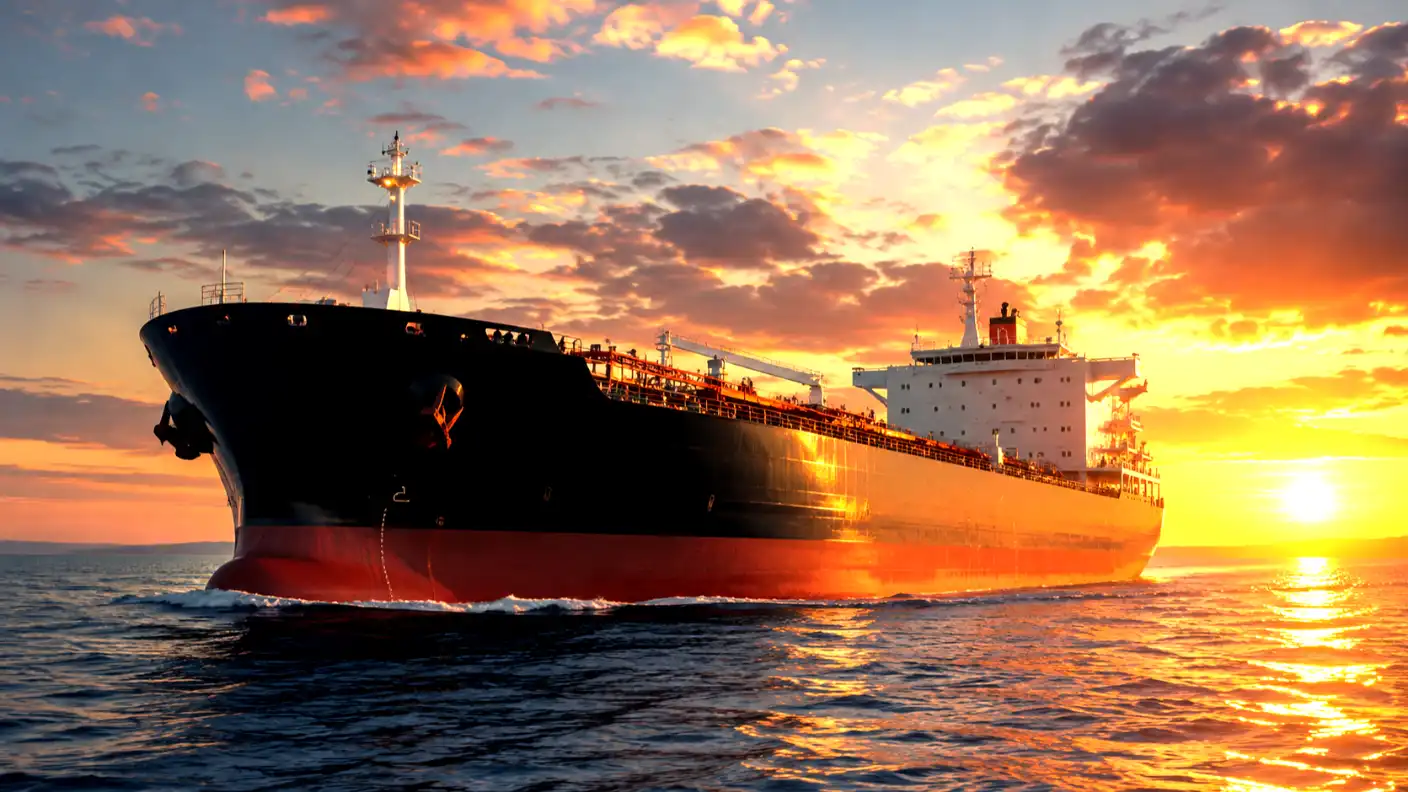
As tankers line up at Gulf Coast ports to transport fuel across the Atlantic and Pacific, the rapid outflow of diesel is triggering deep concerns at home. While American energy companies are reaping historic profits, domestic stockpiles of diesel have plummeted to their lowest seasonal levels in three decades. The situation is setting up a high-stakes standoff between the urgent energy needs of international allies and the economic stability of American consumers as the colder autumn and winter months quickly approach.
The record-breaking export volume highlights the growing role of the United States as the global energy supplier of last resort. However, operating at maximum capacity to fuel the rest of the world is leaving the domestic market with virtually no safety cushion, raising fears of a severe fuel crunch and resurgent inflation.
The Perfect Storm: Geopolitical Conflicts and Global Supply Collapses
To understand why the world is suddenly dependent on American refineries, one must look at the unprecedented geopolitical crises that have unfolded throughout 2026. Global supply chains have suffered sequential shocks, leaving traditional energy buyers in Europe, Asia, and South America with very few alternatives.
The Strait of Hormuz and the US-Iran Conflict
The primary catalyst for the global diesel panic began in early 2026. On February 28, 2026, military conflicts erupted between the United States and Iran, throwing the Middle East into chaos. Within days, the Strait of Hormuz—the vital shipping artery through which about 20% of the world’s petroleum and refined products normally travel—became virtually impassable for commercial tankers.
Although the United States and Iran signed a temporary memorandum of understanding in June 2026 to allow limited tanker traffic to resume, the damage to global distribution networks was already done. The brief peace deal did not restore long-term stability. Instead, it highlighted the fragile nature of Middle Eastern supplies, prompting global buyers to permanently diversify their supply chains away from the region. The loss of millions of barrels of Middle Eastern crude and refined products left Asian and European refiners desperately searching for alternative sources of fuel.
Russian Export Bans and the Impact of Ukrainian Attacks
As the Middle East struggled with shipping blockades, the energy crisis intensified due to escalation in Eastern Europe. For months, Ukrainian forces carried out targeted, long-range drone strikes against major Russian oil refineries. These repeated aerial assaults successfully degraded Russia’s domestic fuel manufacturing capacity, knocking out key processing units and restricting output.
Faced with severe domestic fuel shortages of its own, the Russian government took a drastic step. Moscow implemented a sweeping ban on most diesel exports. Because Russia is normally the world’s second-largest exporter of diesel, trailing only the United States, this ban sent shockwaves through global markets.
Although European and North American nations no longer import Russian fuel directly, the removal of Russian supply forced other major buyers, such as Brazil and Turkey, to look elsewhere. These countries are now competing directly with European buyers for alternate supplies, putting immense pressure on the remaining exporters, with the United States bearing the heaviest burden.
Dissecting the Numbers: A Deep Dive into US Export Surges
The latest official data illustrates the sheer scale of the global pull on American energy reserves. During the final week of July, US exports of distillate fuel soared to an all-time high of 1.9 million barrels per day. This historic figure eclipsed the previous record high-water mark, which refiners established in May.
Destination Markets: Europe and South America Scramble for Fuel
The record-setting export volume was not a one-week anomaly. The recent peak capped off a highly unusual five-week streak where distillate exports consistently exceeded 1.5 million barrels per day.
According to tracking data compiled by ship-monitoring agencies, the vast majority of these recent shipments are heading toward northwestern Europe. Europe has become the undisputed epicenter of the global diesel crunch. The continent is highly vulnerable to supply disruptions because it previously relied on a combination of Middle Eastern imports through the Suez Canal and Russian diesel shipments. With both pathways heavily restricted, European utilities and logistics networks are relying almost exclusively on transatlantic shipments from the US Gulf Coast.
At the same time, a significant portion of US diesel is heading south. Importers in South America, particularly in Brazil, are importing massive volumes of US distillate. These agricultural economies are stocking up on fuel ahead of the critical September planting season, when diesel demand for tractors, harvesters, and transport trucks reaches its peak. This synchronized demand from both hemispheres has created a highly competitive bidding war, driving US export volumes to unprecedented levels.
Refiners Running All-Out but Failing to Build Stocks
To meet this relentless global demand, American refiners are operating at maximum capacity. Throughout the summer of 2026, refinery utilization rates in the United States averaged an astonishing 96.3%. This represents the highest sustained refinery utilization rate since 2018.
During July alone, US refiners produced an average of 5.3 million barrels of distillate fuel every single day. This represents the highest volume of diesel ever manufactured in the United States during a summer month.
Typically, refiners do not run at maximum capacity during the midsummer. They prefer to save their peak operating capacity for the late autumn and early winter, when cold weather drives up demand for heating oil. This year, however, the global supply squeeze forced refiners to ramp up production months ahead of schedule, running their machinery at thermal limits during the hottest weeks of the year.
The Domestic Backlash: Lowest Stockpiles Since 1996 and Retail Fuel Spikes
While the surge in exports is helping to stabilize global energy markets, it is creating severe vulnerabilities within the United States. The continuous outflow of fuel is draining domestic stockpiles far faster than refiners can replenish them.
The Threat of a Heating Oil Crunch in the Northeast
Despite record-high production, US distillate inventories declined further. As of the final week of July, national distillate stockpiles stood at their lowest seasonal level since 1996.
This inventory deficit is raising alarms among energy analysts and policymakers. Distillate fuel is the workhorse of the American economy. It powers the semi-trucks that transport food and consumer goods, the trains that haul heavy industrial freight, and the heavy machinery used in construction and agriculture.
Furthermore, distillate fuel includes heating oil, which millions of households in the Northeast United States rely on to warm their homes during the freezing winter months. With stockpiles starting the pre-winter season at 30-year lows, any unexpected disruption—such as a late-summer hurricane hitting the Gulf Coast refining hub or an early, severe cold snap—could trigger a massive domestic fuel shortage.
Rising Prices at the Pump and the Inflation Threat
The tight domestic supply has already had a direct impact on American wallets. Retail diesel prices have climbed back above $5 a gallon across most of the United States. This price spike marks a sharp reversal from the brief period of relief seen during the short-lived June ceasefire in the Middle East, when prices temporarily dipped.
At the same time, retail gasoline prices have pushed past $4 a gallon. Because diesel is the primary input cost for commercial shipping and agricultural production, rising diesel prices quickly translate into higher retail prices for groceries, consumer goods, and services.
This resurgence in fuel-driven inflation is creating significant political headwinds for President Donald Trump as the country approaches the crucial midterm elections in November. The administration is facing intense pressure to address rising living costs, yet its options are limited. Implementing export restrictions to keep fuel at home would anger key international allies, particularly in Europe, who are currently relying on American diesel to keep their own economies from collapsing.
Corporate Windfalls and the Geopolitical Reality of Energy Leadership
While consumers and politicians worry about inflation, major oil companies are experiencing some of the most profitable quarters in their history. The combination of high global demand and elevated fuel prices has generated massive cash flows for North American refiners and integrated energy giants.
Exxon Mobil reported that its second-quarter profits doubled to $14.53 billion, driven primarily by record-breaking diesel production and refining margins. Similarly, Chevron saw its profits nearly quadruple to $12.07 billion. In Europe, the continent’s six largest oil companies posted combined first-quarter profits of $22 billion, a 40% year-over-year increase, as they capitalized on the global scramble for refined products.
These record profits highlight the immense financial benefits of the US energy boom. However, they also draw intense public scrutiny. Critics argue that energy companies are capitalizing on geopolitical crises to enrich shareholders while everyday motorists pay record prices at the pump. In response, energy executives argue that their multi-billion-dollar investments in refining capacity and logistics infrastructure over the past decade are the only reason the global economy has not suffered a total energy collapse in 2026.
The Role of the US as the Global Energy Supplier of Last Resort
The current energy crisis has cemented the position of the United States as a global energy superpower. A decade ago, the US was highly dependent on fuel imports from Europe and the Middle East to balance its domestic market. Today, thanks to the shale revolution and massive investments in Gulf Coast refining infrastructure, the United States is one of the few nations capable of exporting millions of barrels of crude oil and refined products simultaneously.
However, playing the role of the global supplier of last resort comes with a steep price. To keep global markets from panicking, the US is essentially exporting its own economic stability. By drawing down domestic stockpiles to 1996 levels, the country has left itself highly vulnerable to internal price shocks. If a major domestic refinery suffers an unexpected fire or operational failure, the US will have no inventory cushion to absorb the shock, resulting in immediate retail price spikes that could paralyze regional economies.
Navigating a Highly Volatile Energy Future
The historic surge in US diesel exports is a clear reminder of how deeply interconnected the global economy has become. A drone strike in Russia or a shipping incident in the Middle East can instantly raise the price of diesel at a local gas station in the American Midwest.
As refiners continue to run their facilities at maximum capacity, the United States is walking a very thin line. The country must balance its commitment to supporting international allies with its responsibility to protect its own citizens from runaway inflation and winter heating shortages.
With global diesel markets remaining highly volatile, the path forward is fraught with risk. Whether the United States can successfully navigate this winter without suffering a severe domestic energy crunch will depend entirely on the resilience of its refining infrastructure and the avoidance of further geopolitical shocks in the months ahead.