Nuclear power has emerged as a crucial energy source, contributing to the global energy mix and addressing the growing electricity demand. Nuclear power plants harness the immense energy released during nuclear fission. Over the years, the nuclear power plant market has grown due to several key factors, including the need for clean energy, advances in technology, and increased emphasis on sustainable power generation.
Nuclear Power Plant Market Analysis
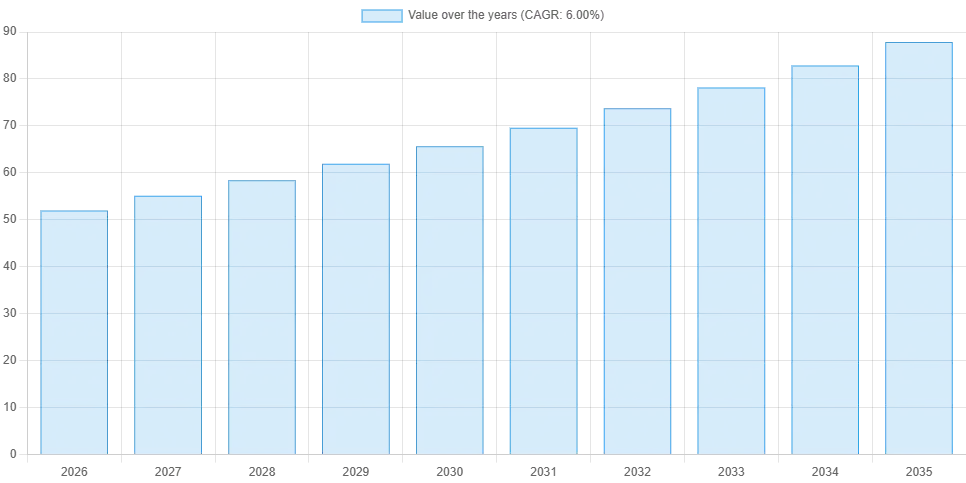
The Techgolly market research team’s preliminary estimate is that the global nuclear power plant market was valued at USD 52 billion or more in 2026 and is projected to reach USD 87.85 billion by 2035. The growth will continue at a compound annual growth rate (CAGR) of 4% to 6% from 2026 to 2035.
According to Fortune Business Insights, the global nuclear power plant market size was valued at USD 32.44 billion in 2021 and is expected to reach USD 38.82 billion by 2028. The Allied Market Research said the global nuclear power plant market size was valued at USD 41.1 billion in 2020 and is projected to reach USD 58.4 billion by 2030.
Reasons for Nuclear Power Plant Market Growth
As nuclear technologies continue to evolve, with a renewed focus on mitigating climate change, the nuclear power plant market is expected to expand further, playing a vital role in the world’s energy transition. The primary reasons behind the continued growth of the nuclear power plant market are discussed below.
Clean and Low-Carbon Energy
Nuclear power is a clean energy source because it produces electricity without emitting greenhouse gases. As the world intensifies efforts to combat climate change and reduce carbon footprints, nuclear power becomes an attractive option in the global energy landscape.
Reliable and Continuous Power Supply
Nuclear power plants provide a stable and consistent source of electricity, offering a reliable power supply for industries, households, and critical infrastructure. This reliability is essential for meeting the population’s energy needs and sustaining economic growth.
Energy Security and Independence
Nuclear power contributes to energy security by diversifying the energy mix and reducing dependency on fossil fuel imports. Countries with nuclear power plants can ensure a stable energy supply even during geopolitical uncertainties or disruptions in oil and gas markets.
Base Load Power Generation
Nuclear power plants are effective baseload power generators, supplying constant electricity to the grid, irrespective of fluctuating demand. This stable output is essential for maintaining a balanced and efficient energy grid.
Advanced Nuclear Technologies
Ongoing research and development in nuclear technologies have led to advancements in reactor designs, safety measures, and fuel efficiency. Innovative technologies enhance nuclear power plants’ safety, performance, and sustainability, driving market growth.
Decentralization of Energy Production
Nuclear power plants, though centralized, contribute to decentralization by supplying electricity to various regions, supporting local communities, and reducing strain on transmission and distribution networks.
Long Operational Life and Efficiency
Nuclear power plants have a long operational life, often exceeding 40 years, provided they receive proper maintenance and upgrades. This longevity ensures a consistent energy supply and maximizes the return on investment over the plant’s lifetime.
Economic Growth and Urbanization
Rapid urbanization and economic growth in emerging markets drive an increased demand for electricity. Nuclear power plants can generate large quantities of electricity, meeting the needs of expanding urban centers and growing industrial sectors.
Public and Private Sector Investments
Governments and private investors invest in nuclear power to meet their energy goals, reduce emissions, and enhance energy security. Public-private partnerships and funding initiatives support the growth of nuclear power infrastructure.
Nuclear as a Transition Fuel
Nuclear power is seen as a transitional energy source from fossil fuels to renewable energy. It provides a reliable, low-carbon alternative as renewable technologies continue to advance and become more widespread.
Global Electrification Efforts
International initiatives and agreements to increase electrification and reduce reliance on fossil fuels encourage the development and growth of nuclear power plants as a sustainable energy option.
Key Market Players
The major vendors offering nuclear power solutions and services are BWX Technologies Inc., Dongfang Electric Co. Ltd., Rosatom State Nuclear Energy Corporation (ROSATOM), Doosan Corporation, General Electric Company, Korea Electric Power Corporation, Mitsubishi Heavy Industries Ltd., Shanghai Electric (China), Larsen & Toubro Ltd, Toshiba International Corporation., Alstom SA., Mitsubishi Heavy Industries Ltd., The State Atomic Energy Corporation (India), and AREVA.