Key Points:
- American Airlines will install SpaceX’s Starlink high-speed internet on more than 500 narrowbody Airbus aircraft starting in the first quarter of 2027.
- The carrier chose Starlink after evaluating Amazon’s Project Kuiper (Leo) satellite network as a major alternative earlier this year.
- Boeing aircraft in American’s 1,022-plane mainline fleet will continue utilizing their existing Viasat and Panasonic connectivity systems.
- The landmark deal bolsters SpaceX’s satellite unit, which generated $11.39 billion in revenue in 2025, making it the company’s sole profitable segment.
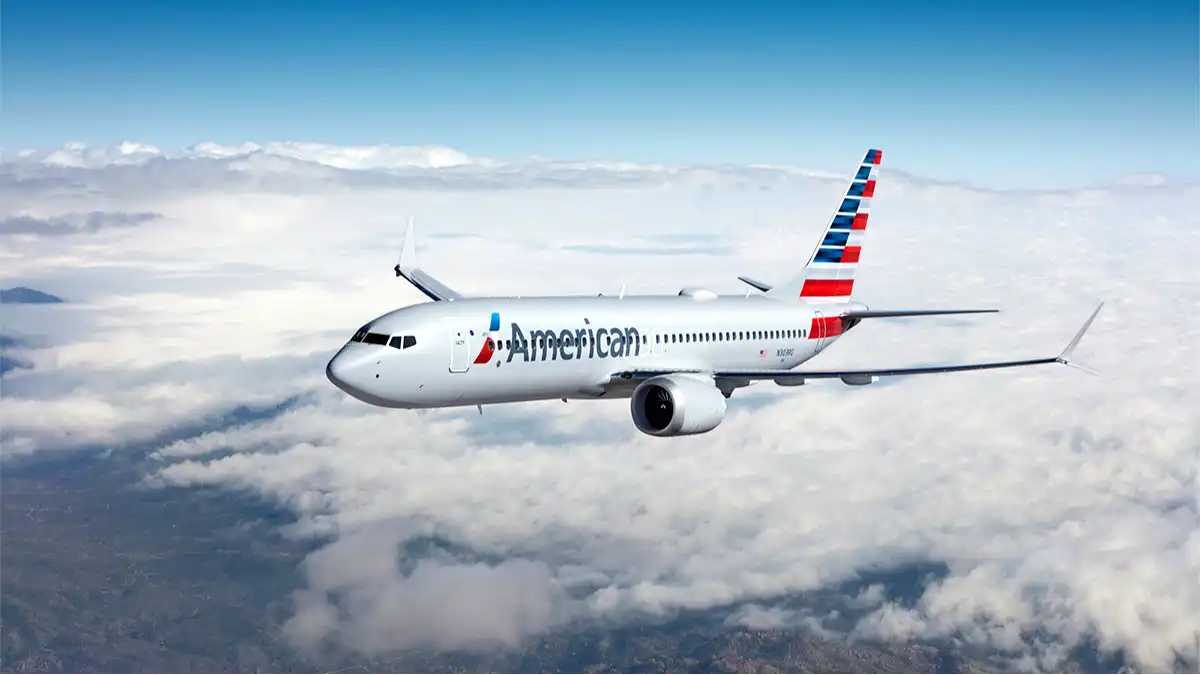
American Airlines Group has announced a major upgrade to its in-flight connectivity, partnering with SpaceX to install Starlink high-speed internet on more than 500 of its narrowbody aircraft. The Fort Worth, Texas-based carrier revealed on Tuesday, May 26, 2026, that installation of the advanced satellite-based Wi-Fi will begin in the first quarter of 2027. This landmark agreement represents Starlink’s largest aviation partnership to date, signaling a rapid shift in how legacy airlines approach passenger connectivity in an increasingly competitive global travel market.
The decision to adopt Starlink follows a highly competitive evaluation process. Throughout early 2026, American Airlines conducted extensive trials and discussions with both SpaceX and e-commerce giant Amazon, which recently promoted its own low-Earth-orbit (LEO) satellite network, formerly named Project Kuiper and now dubbed Leo. While rivals like Delta Air Lines chose a different path by committing to deploy Amazon’s Leo systems starting in 2028, American ultimately selected Starlink’s proven orbital architecture to modernize its single-aisle Airbus fleet, including its upcoming A321neo and long-range A321XLR deliveries.
The new high-speed service will initially target American’s narrowbody Airbus jets, leaving its extensive Boeing fleet unchanged for the foreseeable future. A company spokesperson confirmed that American has no immediate plans to replace the existing Wi-Fi providers on its Boeing aircraft, which currently utilize a combination of Viasat and Panasonic satellite equipment. As of March 2026, the world’s largest airline by passenger volume operated a massive mainline fleet of 1,022 aircraft, including 885 narrowbody jets, meaning the Starlink rollout will eventually cover more than half of its active fleet.
The addition of Starlink aims to elevate the onboard passenger experience from a sluggish, costly afterthought into a genuine selling point. Starlink operates a vast constellation of thousands of advanced satellites in low Earth orbit, positioned significantly closer to the planet than traditional geostationary satellites. This low altitude reduces latency to milliseconds, allowing the system to deliver an “at-home” level of connectivity. The airline will use Starlink’s specialized Aero Terminal hardware on its planes, which supports data transmission speeds of up to 1 Gbps per antenna, enabling passengers to stream high-definition videos, play online games, and participate in real-time video calls without lag.
American Airlines currently offers free, ad-supported Wi-Fi on nearly all domestic flights for members enrolled in its AAdvantage loyalty program, which saw enrollment grow by 7% last year. By integrating Starlink’s high-speed, low-latency network, the carrier hopes to attract more premium and business travelers who require reliable, gate-to-gate connectivity to work and remain productive. Heather Garboden, the Chief Customer Officer at American Airlines, explained that the partnership solidifies American’s position as a leading global airline by ensuring customers never have to worry about downloading files, shows, or movies before boarding.
On the financial side, the massive aviation contract delivers another major commercial victory to SpaceX. The satellite broadband division has become the primary cash cow for its parent firm, which recently made its S-1 regulatory filing public ahead of a highly anticipated initial public offering (IPO) expected in June 2026. According to the S-1 filing, Starlink generated a staggering $11.39 billion in revenue in 2025, accounting for roughly 61% of SpaceX’s total sales. More importantly, Starlink is the only profitable business unit in Elon Musk’s aerospace empire, and securing a fleet serving a large share of America’s 225 million annual passengers will significantly bolster its public valuation.
This heavy focus on premium cabin experiences and reliable technology arrives as global airlines face severe economic headwinds. Since late February 2026, a series of military conflicts in the Middle East has caused global jet fuel prices to double in less than three months, severely impacting operating margins. To protect their profitability, major airlines are trimming their capacity growth plans and eliminating unprofitable routes. By investing in highly desirable customer perks like high-speed Starlink Wi-Fi, American Airlines hopes to maintain its premium pricing power and protect its market share during an extended period of high operational costs.
Ultimately, the deal demonstrates that legacy satellite internet providers like Viasat and Intelsat are losing ground rapidly to low-Earth-orbit constellations. Starlink has already signed up several major commercial airlines over the last few years, including United Airlines, Southwest Airlines, Alaska Airlines, Singapore Airlines, and Dubai’s Emirates. As the first quarter of 2027 approaches, the successful deployment of Starlink across America’s narrowbody fleet will likely set a new benchmark for in-flight entertainment, proving that fast, free, and reliable internet is now a non-negotiable standard for modern commercial aviation.