

Key Points:
- Apple unveiled its highly anticipated Apple Intelligence platform at WWDC, representing a major strategic push into generative software.
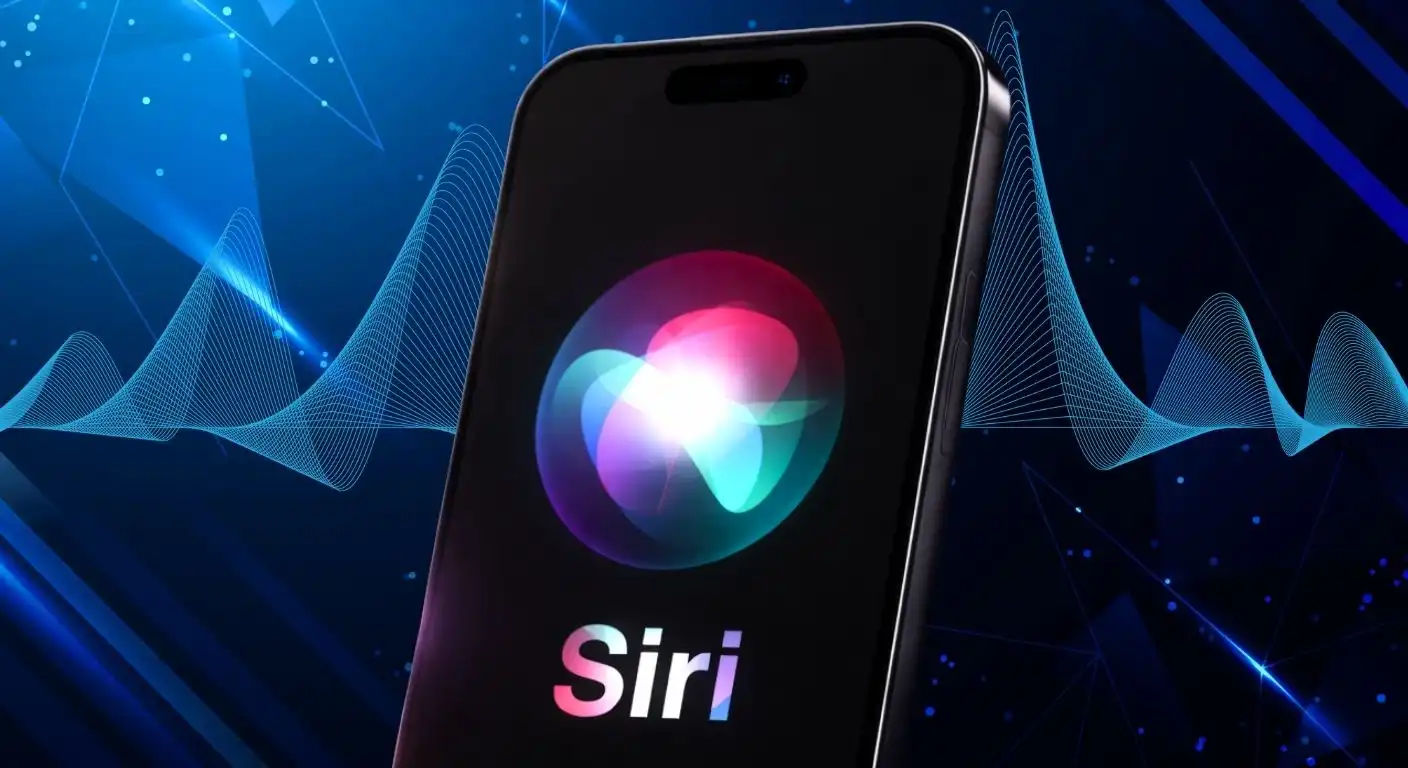
- A massive Siri redesign will allow the voice assistant to control individual app features, analyze screens, and manage multi-step commands.
- The platform partners directly with OpenAI, allowing Siri to route complex questions to ChatGPT with explicit user permission seamlessly.
- To safeguard user privacy, the system processes tasks either locally on-device or on secure Private Cloud Compute servers.
The global battle for dominance in consumer artificial intelligence has entered a highly significant new phase. At its highly anticipated Worldwide Developers Conference, Apple officially launched “Apple Intelligence,” a comprehensive personal intelligence system designed to integrate generative software across its entire hardware ecosystem deeply. The landmark presentation marks a critical milestone for Chief Executive Officer Tim Cook, who has faced intense pressure from Wall Street to prove that the Silicon Valley giant can compete effectively against early AI leaders like Microsoft and Google.
The absolute center of this strategic software rollout is a massive, long-awaited Siri redesign. Since its debut in 2011, Apple’s pioneering voice assistant has steadily fallen behind modern, conversational chatbots. The updated Siri will address these limitations directly by gaining the ability to understand on-screen content, maintain conversational continuity, and control individual features in both native and third-party applications. For example, a user can instruct Siri to edit a photo and send it directly to a friend via a messaging app, executing the multi-step workflow through a single, natural voice command.
This advanced Siri capability operates as the primary interface for Apple Intelligence, which will roll out as a core component of the upcoming iOS, iPadOS, and macOS updates. Beyond voice commands, the personal intelligence system will assist users with everyday tasks by offering automated, system-wide writing tools to proofread, rewrite, and summarize text. The software will also generate custom emojis, categorize and prioritize incoming notifications, and offer advanced image-editing tools, bringing highly practical generative utilities to over two billion active devices worldwide.
To complement its local processing capabilities and address gaps in its own generative text models, Apple has finalized a historic partnership with Sam Altman’s OpenAI. Under the terms of the agreement, Apple will integrate OpenAI’s advanced GPT-4o model directly into the operating systems. If a user asks Siri a complex, open-ended question that exceeds its on-device training, the assistant will offer to route the prompt to ChatGPT. Crucially, the system will require explicit user permission before sending any data or queries to OpenAI’s external servers, protecting user privacy during web-scale searches.
To safeguard sensitive user data during these advanced computations, Apple has built a groundbreaking security framework known as “Private Cloud Compute.” While the company’s advanced A-series and M-series silicon chips will process simpler AI tasks directly on the device, more complex workloads will seamlessly be handed off to dedicated cloud nodes. These private servers run entirely on custom Apple Silicon, executing tasks without ever storing or saving user data. Independent security researchers can audit the server code at any time, establishing an unprecedented benchmark for data privacy in the cloud era.
With hardware giants collectively spending over $100 billion annually on data centers, Apple’s more calculated infrastructure spend represents a massive play, easily exceeding the $1 billion threshold required to build dedicated private cloud nodes. Unlike its competitors, who rent vast amounts of general-purpose cloud space, Apple’s customized Private Cloud Compute infrastructure ensures that its intelligent services remain supported by a highly secure, private hardware network, reducing the company’s reliance on third-party cloud providers.
The economic stakes of this software transition are incredibly high for the company’s hardware division. Even a minor 1.5% increase in the national iPhone upgrade rate could generate over $3 billion in additional hardware revenue, reinforcing the company’s financial model. As consumers realize that running these advanced on-device models requires the superior processing power of the latest iPhone and Mac processors, the new software features will likely trigger a massive wave of hardware upgrades, driving sales growth throughout the next fiscal year.
According to a Wall Street Journal report, the new AI capabilities could finally reverse the recent slump in global hardware sales, which has weighed heavily on the company’s stock price over the past year. While some value investors previously worried that Apple’s cautious, slow-moving approach to generative technology would allow competitors to lock in their leads permanently, the comprehensive WWDC keynote proved that the company’s vast distribution network and consumer-first focus remain formidable competitive advantages.
The long-term success of Apple Intelligence will ultimately depend on how enthusiastically independent software developers embrace the new system. To facilitate this, Apple is releasing a robust suite of software development kits and APIs, allowing creators to plug their apps directly into the new Siri and system-wide writing tools. This open integration is essential, as it ensures that the new intelligent features can operate seamlessly across millions of different applications, creating a highly cohesive and useful digital ecosystem for everyday users.
In the end, Apple’s bold artificial intelligence rollout marks a vital milestone in the country’s long-term economic evolution. By combining on-device processing, secure private cloud servers, and a strategic partnership with OpenAI, the tech giant has built a highly resilient, privacy-first blueprint for the digital age. As the first updates begin rolling out to users over the coming months, this historic product overhaul will play a critical role in shaping how we interact with our mobile devices, proving that the future of technology belongs to those who successfully merge advanced software intelligence with elegant, user-controlled hardware.






