Key Points:
- Analysts warn that a massive rush of multi-trillion-dollar tech IPOs in 2026 could signal a major stock market top.
- SpaceX officially filed its S-1 prospectus to go public on June 12, targeting a historic $1.75 trillion valuation.
- OpenAI plans to file its IPO prospectus confidentially, aiming to make its public debut as early as September.
- Experts urge caution because neither SpaceX nor OpenAI has generated a consistent annual profit despite high valuations.
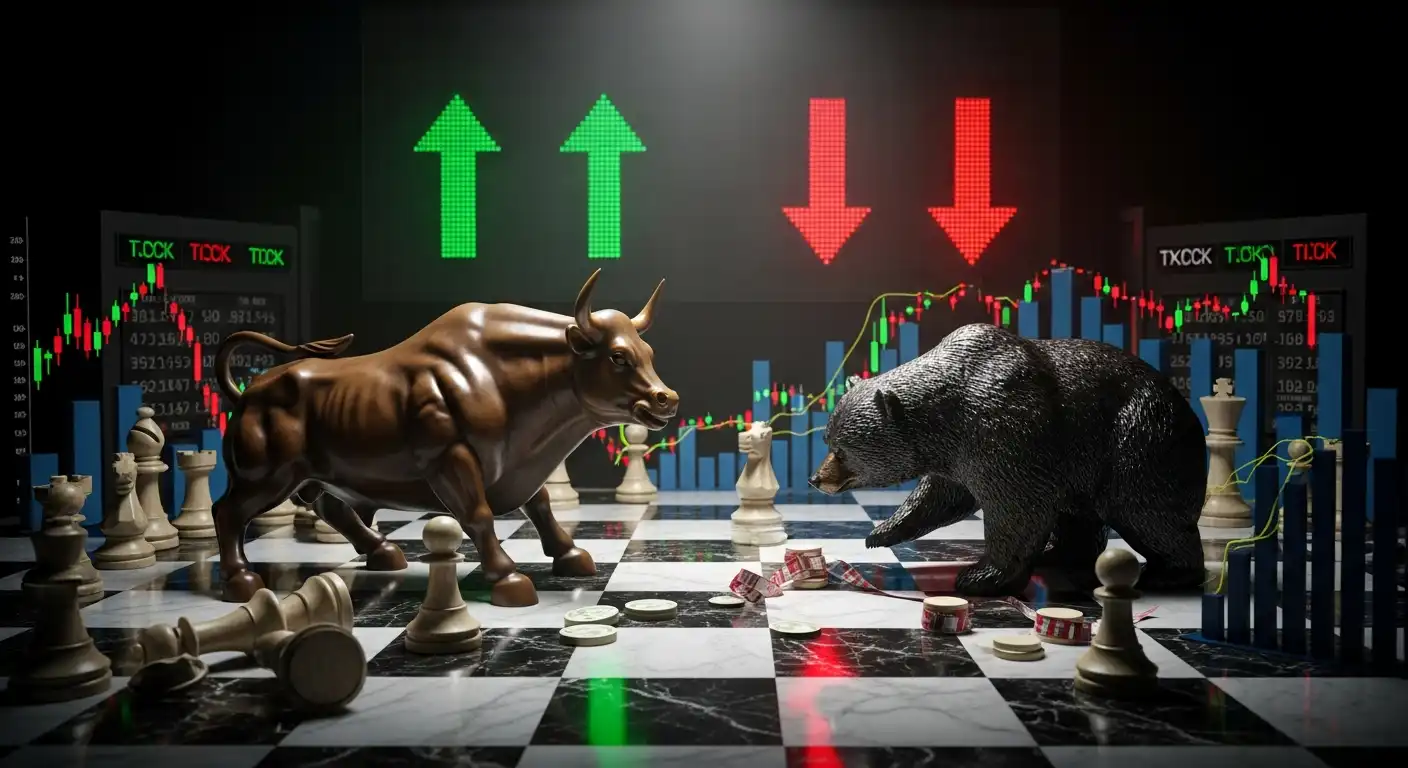
The stock market is bracing for what could be the largest wave of public company listings in modern history. Tech giants like Elon Musk’s SpaceX and Sam Altman’s OpenAI are preparing to flood the market with historic floats. However, prominent Wall Street analysts are raising red flags. They warn that this massive flurry of initial public offerings (IPOs) might signal a “market top”—the absolute peak of the stock market boom. This sudden rush of high-profile listings is drawing strong parallels to the dangerous dot-com bubble of the late 1990s.
The crown jewel of this IPO wave is SpaceX. The aerospace giant officially filed its highly anticipated S-1 prospectus with the Securities and Exchange Commission on Wednesday. The company plans to list its shares on the Nasdaq exchange under the ticker symbol SPCX. According to insiders, SpaceX has accelerated its timeline to target a launch date of June 12, with its promotional roadshow kicking off on June 8. The firm is targeting a historic valuation of roughly $1.75 trillion, which would easily make it the largest stock market debut in global history.
Not to be outdone, Sam Altman’s OpenAI is also making swift moves behind the scenes. Reports indicate that the artificial intelligence pioneer plans to file its IPO prospectus confidentially with financial regulators. The goal is to prepare the company to go public as early as September. The simultaneous listings of two of the world’s most valuable private companies have completely captured Wall Street’s attention, shifting the balance of the entire technology sector.
Despite these gargantuan valuations, both companies carry a major financial risk that has some investors deeply concerned. Neither SpaceX nor OpenAI has actually generated a consistent annual profit. While they generate billions of dollars in revenue, their operations remain incredibly expensive. Building reusable rockets, constructing global satellite networks, and running massive artificial intelligence models require constant capital injections. Analysts warn that their business models remain highly opaque, making it difficult for everyday investors to judge their true financial health.
“I see it as a market top,” John Blank, the chief equity strategist at Zacks, told CNBC’s Squawk Box Europe on Thursday. Other market observers share his skepticism. They worry that releasing too few shares of these massive companies into the public market will create artificial scarcity. CNBC host Jim Cramer warned that SpaceX could easily create a bubble unto its own if underwriters restrict the initial supply, forcing eager retail buyers to bid up the stock price to unsustainable levels.
The rush to go public is happening during a highly volatile time for the technology workforce. While companies spend hundreds of billions of dollars on future hardware and artificial intelligence development, they are also laying off thousands of employees. Just this week, Meta Platforms announced a massive new round of layoffs, cutting roughly 8,000 positions. This represents about 10% of Meta’s total workforce. Mark Zuckerberg explained that the cuts are necessary to offset their massive investments in artificial intelligence, showing the dark side of the tech boom.
SpaceX’s S-1 filing also revealed some highly unusual corporate governance rules that are raising eyebrows on Wall Street. The documents show a dual-class share structure designed to give Elon Musk absolute veto power over the company. Under these rules, the board of directors cannot fire Musk from his role as chief executive or chairman of the board without his own consent. This extreme level of insider control goes far beyond normal corporate standards, leaving public shareholders with zero influence over how the company is run.
This massive wave of listings follows the successful public debut of artificial intelligence chipmaker Cerebras Systems earlier this month. Cerebras went public on May 14, marking the largest United States listing in nearly five years. The stock surged by an incredible 68% on its first day of trading, proving that public markets still have a massive appetite for hardware and infrastructure. But with OpenAI, SpaceX, and Anthropic all crowding into the pipeline, analysts worry that the market will soon run out of cash to support these high-risk valuations.
Investors now face a very difficult choice. They have the opportunity to buy into some of the most innovative and disruptive companies in human history. However, they must decide whether real future earnings actually back these multi-trillion-dollar valuations or are simply buying into the peak of a massive technological bubble. As the June 12 launch date for SpaceX approaches, the entire financial world will watch closely to see if this historic IPO wave pushes the market to new heights or triggers a major correction.