

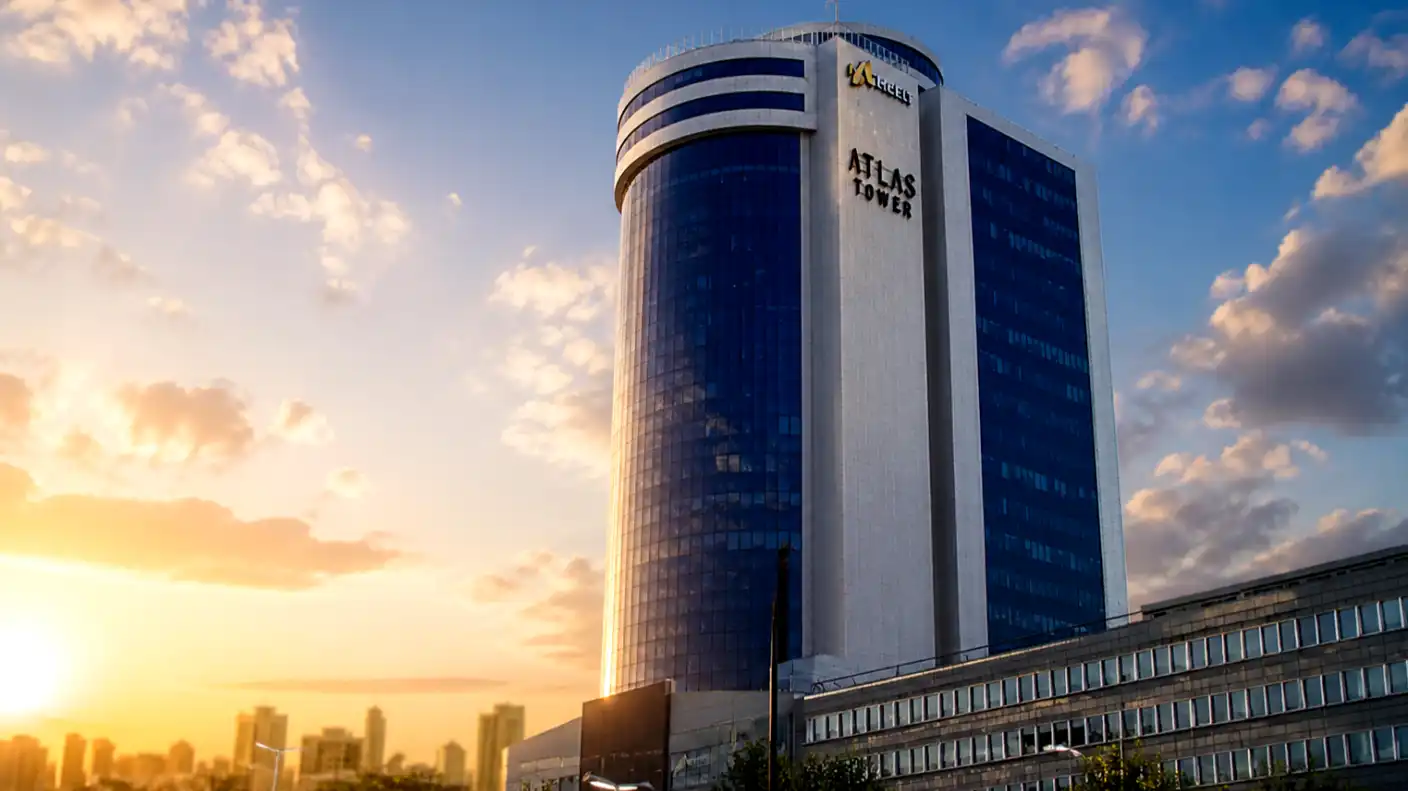
Key Points:
- Australian toll road operator Atlas Arteria rejected a buyout offer worth A$6.89 billion.
- IFM Global Infrastructure Fund offered to pay A$4.75 in cash for every target share.
- Atlas Arteria leaders called the massive financial proposal opportunistic and fundamentally inadequate.
- Independent directors plan to reject the deal and strongly urge shareholders to do the same.
Australian toll road operator Atlas Arteria firmly rejected a massive takeover attempt on Wednesday. IFM Global Infrastructure Fund offered to buy the company for A$6.89 billion, which equals about $4.95 billion in United States currency. Company leaders quickly dismissed the proposal, calling the move highly opportunistic. They made it clear that the giant infrastructure fund needs to provide significantly more funding to secure a deal.
The takeover attempt began a week ago, when IFM moved through its dedicated investment branch, Diamond Infraco 1. The fund offered to pay A$4.75 in cash for each stapled security it does not already own—this cash offer aimed to gain full control of the toll road network that Atlas Arteria manages worldwide. However, the target company did not take long to review the details and refuse the financial package.
Atlas Arteria management did not hold back in their official response to the market. The company stated clearly that the offer materially undervalues the business’s actual worth. The leadership team viewed the timing of the bid as a simple way for the buyer to grab valuable assets at a steep discount. They sent a strong message to the financial markets that they will not sell their profitable operations at a low price.
The independent directors assessed the company’s fundamental value before making their final decision. They concluded that the A$ 4.75-per-share price tag falls far short of what the business actually produces. The board highlighted their high-quality global toll road portfolio as a major reason for the rejection. They believe these specific physical assets will generate massive profits for many years to come.
Beyond current profits, the directors highlighted embedded growth opportunities in their existing road networks. Toll roads often feature built-in price increases that match local inflation rates, which makes them incredibly valuable during tough economic times. Atlas Arteria leaders know their roads provide steady, reliable cash flow regardless of broader market struggles. They argued that IFM completely ignored this massive future growth potential when calculating the offer price.
Because of these strong beliefs, every single independent director announced their personal intention to reject the IFM offer. They also issued a direct plea to all current securityholders. The board urged everyday investors and large financial institutions to ignore the cash offer and hold onto their shares. They want to maintain a unified front to force IFM to either raise the bid significantly or walk away completely.
IFM Global Infrastructure Fund remained quiet immediately following the public rejection. Representatives for the massive investment fund did not respond to initial media requests for comment regarding the failed bid. The fund already owns a portion of Atlas Arteria, which makes this attempt a strategic move to consolidate full control. Financial experts now wait to see if IFM will return to the negotiating table with a sweeter deal.
This corporate clash highlights a broader trend in the global financial markets. Giant investment funds constantly hunt for vital infrastructure assets such as toll roads, airports, and seaports. These specific physical assets require massive upfront costs to build, but they face almost zero competition once they open. Drivers must use the roads to commute to work or move commercial goods, which guarantees a captive customer base for the operating company.
Because inflation pushes toll prices higher every single year, these assets act as a perfect shield for large investment portfolios. IFM clearly understands this financial dynamic and seeks to secure Atlas Arteria’s revenue streams for its own wealthy investors. By calling the bid opportunistic, the Atlas board suggests that IFM sought to exploit temporary market fears to acquire the company at a low valuation.
The ball now sits firmly in the court of IFM Global Infrastructure Fund. Corporate takeovers rarely end after the very first offer. Buyers often test the waters with a low initial bid to see exactly how the target board reacts. Since Atlas Arteria drew a hard line in the sand, IFM must decide if the global toll road portfolio justifies spending billions more. Until then, Atlas Arteria continues to operate its global network exactly as before.






