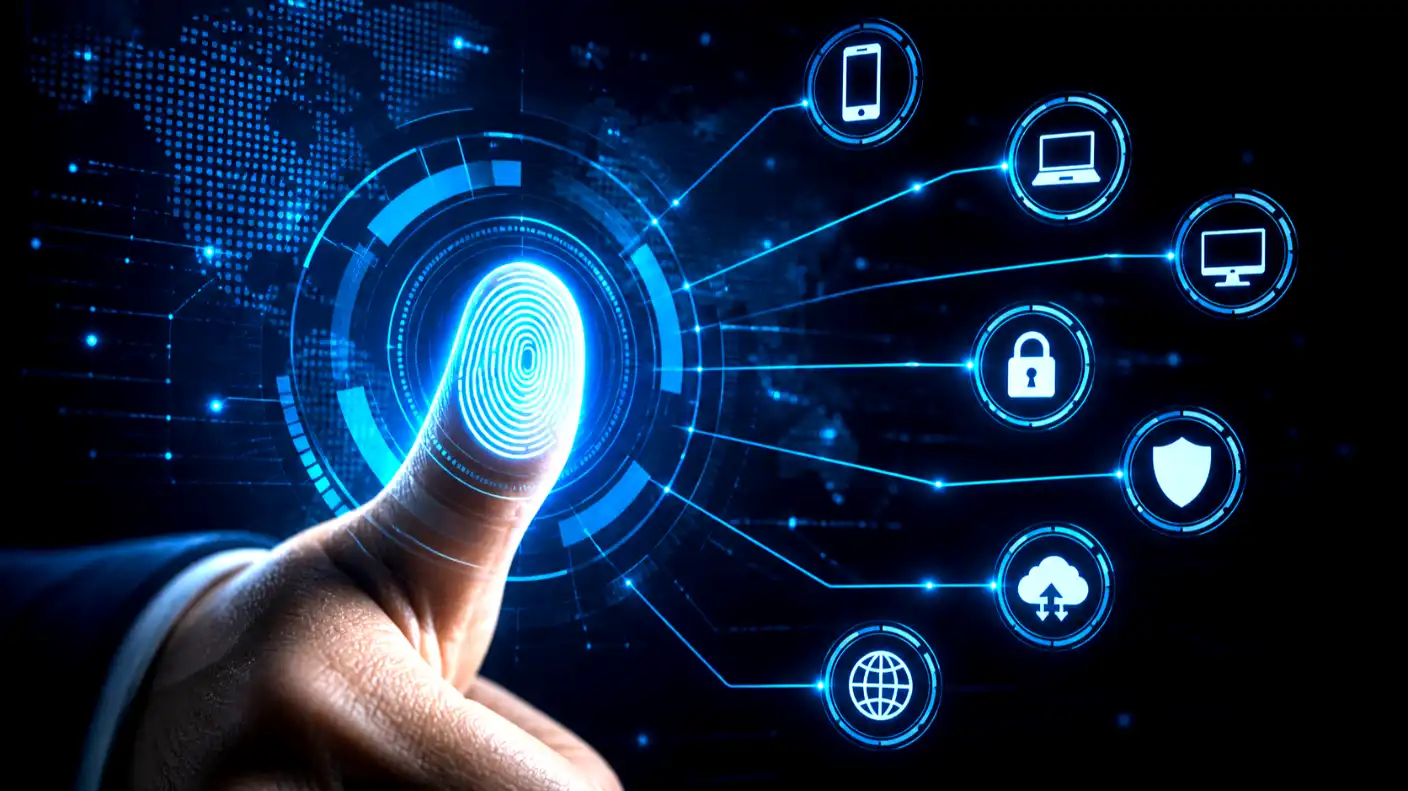
We used to view biometric technology as a futuristic marvel. We saw movie characters scan their eyes to open secret doors or touch glass pads to access high-security vaults. Today, this technology lives in our pockets. We unlock our phones with our faces, log into bank apps with our thumbprints, and walk through airport gates with a quick glance at a camera. It feels incredibly fast and convenient. However, we have also entered a highly privacy-aware era. People are finally waking up to the true value of their biological data. We are starting to realize that once we hand over our physical traits to a database, we can never get them back. We must now completely rethink how we balance security with the absolute right to own our own bodies.
You Can Never Reset Your Face
The most dangerous flaw of biometric security is its permanence. If a hacker steals your email password or credit card number, you simply change it. You type in a new combination, and your security resets in five minutes. But if a criminal database gets hacked and someone steals the digital map of your face, your iris, or your fingerprint, you have a lifelong crisis. You cannot grow a new thumb. You cannot replace your retinas. Once your biological identity leaks onto the dark web, it remains there forever. This permanent vulnerability makes biometrics a high-risk gamble for everyday security, yet tech companies continue to push it as a simple, risk-free upgrade.
The Illusion of the Safe Local Chip
Technology giants often try to calm our fears by making a specific promise. They claim that your face scans and fingerprints never leave your device. They tell us that a secure, isolated chip inside our phone handles the math locally, and no data ever travels to their main cloud servers. This local storage model works well for smartphones, but it is not the reality for the wider world. When you scan your palm at a grocery store checkout or use your face to enter an office building, that data does not stay on a local chip. It travels directly to a corporate database. If we allow these centralized databases to hoard our biological maps, we build a massive target for global cybercriminals.
The Rise of the Biometric Deepfake
As our security systems get smarter, the criminals get smarter too. The rapid rise of advanced artificial intelligence has created a terrifying new threat: the biometric deepfake. Scammer networks now use highly sophisticated software to generate realistic, three-dimensional face models and synthetic voices. They use these digital puppets to bypass the facial recognition scanners on banking apps and secure websites. It is a highly dangerous arms race. Security developers must constantly update their hardware to look for physical signs of life, such as blood flow, micro-movements of the skin, and temperature. The lock must become increasingly complex because the thieves have learned to copy the key perfectly.
Walking through a World of Invisible Scanners
We used to have the right to walk through public spaces without anyone knowing our identity. We could blend into a crowd on a busy street and enjoy absolute anonymity. Biometric surveillance is quietly destroying this freedom. High-definition cameras on street corners, in shopping malls, and on public transport now scan faces continuously. They match your face with online databases, tracking your movements, your shopping habits, and your social circles. In a privacy-aware society, this invisible tracking feels like an occupying army. We must demand strict laws that ban public facial recognition without explicit, active consent. We cannot let corporate interest turn our public streets into open-air surveillance zones.
The Challenge of Involuntary Scans
Traditional security required your active participation. You had to pull out a key, type a password, or sign your name. You chose when to unlock the door. Biometric security removes this choice entirely. A camera can scan your face from twenty feet away while you simply walk down a hallway. A sensor can read your heart rate or your gait without you ever realizing the scan took place. This involuntary tracking is a profound violation of human dignity. We need to establish a legal framework that outlaws any biometric collection that does not require an active, physical action from the user. You must always be the one who decides when to unlock your identity.
Keeping the Keys in Our Own Pockets
The only safe path forward is a decentralized approach to biological data. We must demand that technology developers adopt “zero-knowledge” protocols. In this model, when a scanner checks your identity, it does not send your actual fingerprint or face map across the network. Instead, your personal device verifies your identity locally and sends a simple, encrypted “yes” or “no” signal to the external scanner. The business or government agency never sees, handles, or stores your biological traits. The data stays in your pocket, under your direct control, where it belongs. We must stop letting companies harvest our biology in the name of convenience.
Leaving Room for the Unscannable
We often build high-tech systems that completely ignore human reality. Not everyone has perfect, easy-to-scan biological traits. Manual laborers often have worn-down fingerprints that sensors struggle to read. People with eye injuries or specific medical conditions cannot use iris scanners. The elderly often face difficulties with facial recognition systems as their skin changes over time. If we make biometrics the only way to access bank accounts, public transport, or government services, we will build a highly discriminatory society that locks out the most vulnerable. We must always maintain simple, reliable, non-biometric backup options.
Conclusion
We do not have to reject biometric technology entirely, but we must strip away the dangerous hype. A thumbprint or a face scan can be a helpful tool, but only if we treat it with the extreme caution it deserves. In our modern, privacy-aware society, we can no longer let tech companies treat our bodies as free, unlockable databases. We must demand strict local storage, oppose public surveillance cameras, and enforce the absolute right to remain anonymous in public. Your physical traits are the most personal things you own. We must protect them with the same fierce energy we use to protect our homes, ensuring our digital tools always serve us rather than control us.