Key Points:
- The European Commission faces pushback over its €600 billion plan to centralize planning and control of Europe’s power grid.
- Brussels wants to slash cross-border grid permit wait times from a decade down to an automatic “tacit approval” limit of two years.
- Member states fear the fast-track mechanism will override crucial national environmental laws and create legal uncertainty.
- Lagging infrastructure investments have left at least 120 GW of planned European renewable projects currently at risk of grid bottlenecks.
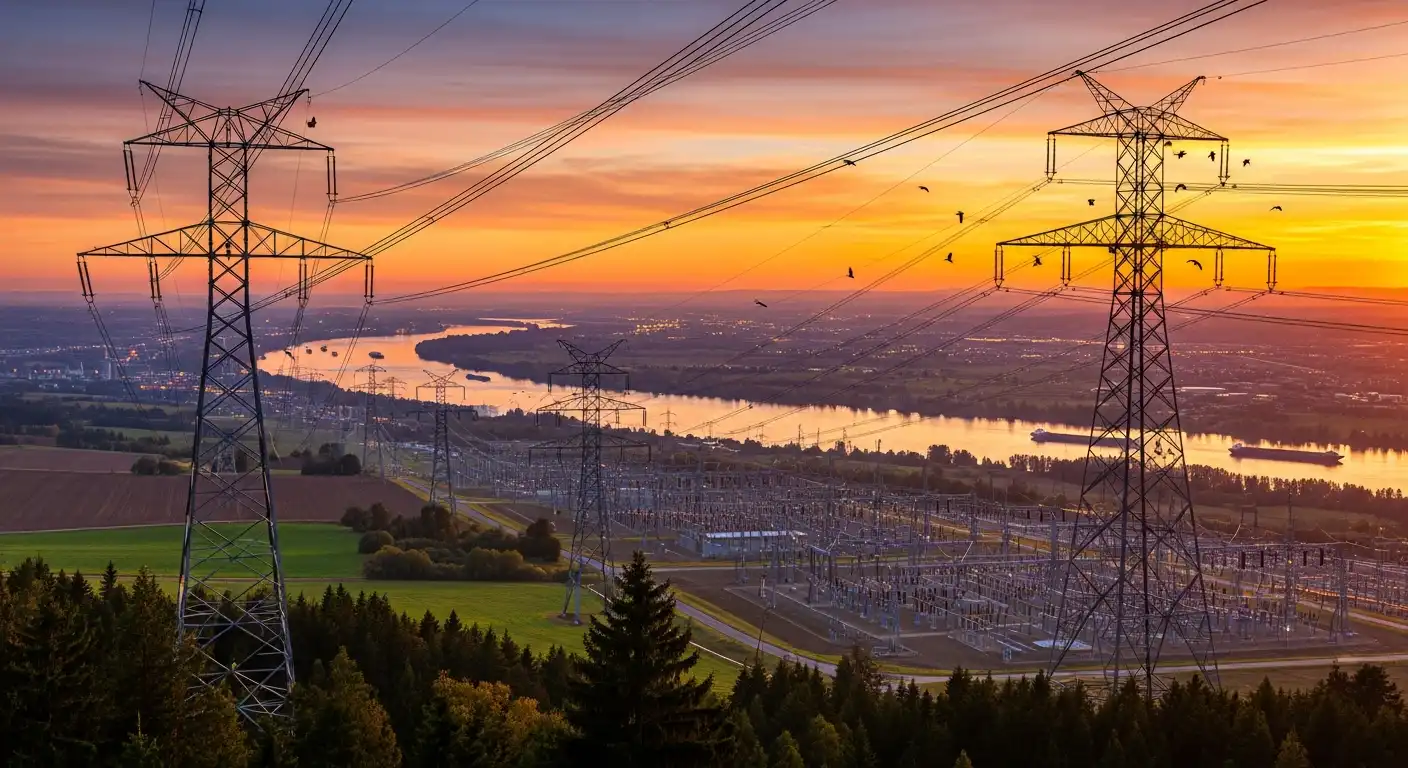
The European Commission’s massive €600 billion plan to centralize control over the continent’s power grid has faced intense pushback from European capitals. Member states are resisting a proposal by EU Energy Commissioner Dan Jørgensen to fast-track grid infrastructure permits, fearing that centralized planning of the electricity network amounts to an overreach by Brussels. The clash exposes the growing tension between the European Union’s collective drive for green energy and the national sovereignty of its member countries.
Under the draft grids package, Brussels wants to slash the permit wait times for critical cross-border electricity grid projects from the current average of up to 10 years down to just two years. Crucially, the Commission has proposed an automatic “tacit approval” mechanism. If national authorities fail to approve or deny a permit within the new two-year deadline, the system will automatically approve the project. This bypasses local bureaucratic hurdles to ensure that infrastructure construction proceeds without delay.
This “tacit approval” clause has triggered immediate alarm among national lawmakers. Spanish socialist deputy Nicolás González Casares warned that the fast-track mechanism risks overriding vital environmental protections and creating massive legal uncertainty. Other national capitals, including Madrid and Paris, worry that Brussels is attempting to override regional sovereignty to force through highly controversial infrastructure projects that local communities might oppose.
The political rift exposes deep, long-standing economic conflicts between the EU’s largest powers. For instance, France has long resisted importing low-cost Spanish solar and wind energy. Paris fears that a flood of cheap Spanish renewable power will threaten the refinancing of its expensive, state-backed nuclear fleet. By taking grid planning power away from national transmission system operators, the European Commission hopes to bypass these national rivalries. However, it has only succeeded in uniting these capitals against each other.
Similarly, Germany has faced rejections from Sweden and Norway for joint transmission line projects. Both Nordic nations fear that exporting their cheap, clean hydroelectric power to high-priced German industrial centers will drive up domestic electricity costs for their own citizens. These localized economic anxieties have made national governments highly protective of their power grids, leading them to resist any centralized, top-down planning by EU regulators in Brussels.
Despite this political pushback, the European Commission maintains that the current decentralized planning model is failing. Lagging investment has left Europe with aging, congested power grids that cannot absorb fluctuating renewable energy output. At least 120 GW of planned clean energy projects are currently at risk due to grid constraints, and over 500 GW of wind and solar projects remain stuck in permit queues, wasting low-cost, emission-free electricity.
The physical limits of the grid have already resulted in severe economic consequences. In 2025, a massive blackout in the Iberian Peninsula affected up to 60 million people, highlighting a critical lack of cross-border interconnectors to move electricity where it is needed most. Furthermore, industrial electricity prices in Europe remain more than double those in the United States and China, severely damaging the continent’s manufacturing competitiveness and driving investment offshore.
To sweeten the deal, the European Commission has earmarked €30 billion from the EU’s 2028-2034 budget specifically for cross-border energy infrastructure. However, Jørgensen insisted that public funding alone cannot solve the crisis. He urged member states to unlock massive private investment, which is essential to bridge the estimated €750 billion annual funding gap required to restore European competitiveness. He maintained that the new centralized competences do not constitute a zero-sum power grab, but will actually empower member states to build a more resilient energy system.
As EU member states and lawmakers prepare to negotiate the final language of the grids package, the standoff highlights the delicate balance between regional sovereignty and collective climate action. While individual nations naturally want to protect their local industries and energy prices, the physical reality of climate change requires a unified, continent-wide grid. Resolving this “power grab” dispute is essential if Europe hopes to secure its energy independence, lower industrial costs, and complete its transition to a net-zero future.