The corporate and industrial landscapes of China are undergoing a major technological realignment. In August 2026, the National Energy Administration released its official monthly electricity data, showing that while overall power consumption grew at a moderate pace, the sectors driving the green and digital transitions experienced an explosive surge. High-frequency electricity use is a primary economic barometer, and these latest numbers prove that China’s transition toward advanced technology and sustainability is successfully restructuring the national economy.
According to the official data, total electricity consumption in July reached 1.04 trillion kilowatt-hours, representing a 1.7 percent year-on-year increase. However, a closer look at the subsector metrics reveals an extraordinary concentration of economic activity. Power consumption by electric vehicle charging and battery-swapping services skyrocketed by 50.3 percent year on year, while the electricity consumed by internet data services, which host the country’s rapidly expanding artificial intelligence and cloud networks, jumped by 40.1 percent.
This rapid, structural transformation of the Chinese economy is particularly visible when analyzing the cumulative data for the first seven months of the year. From January through July, China’s total electricity consumption rose 4.7 percent year on year to 6.14 trillion kilowatt-hours. During this same seven-month period, power use by EV charging services surged by 55.8 percent, while data center electricity consumption increased by 43.3 percent, proving that the digital and green transitions have become the primary, non-discretionary growth engines of the national economy.
The Green Transition: EV Charging Networks Drive Massive Grid Demand
The rapid, highly successful expansion of China’s new energy vehicle market is driving a massive, unprecedented rise in utility-scale electricity consumption, transforming the transportation sector into a primary source of grid demand.
Surging Fifty Percent in July to Sixteen Billion Kilowatt-Hours
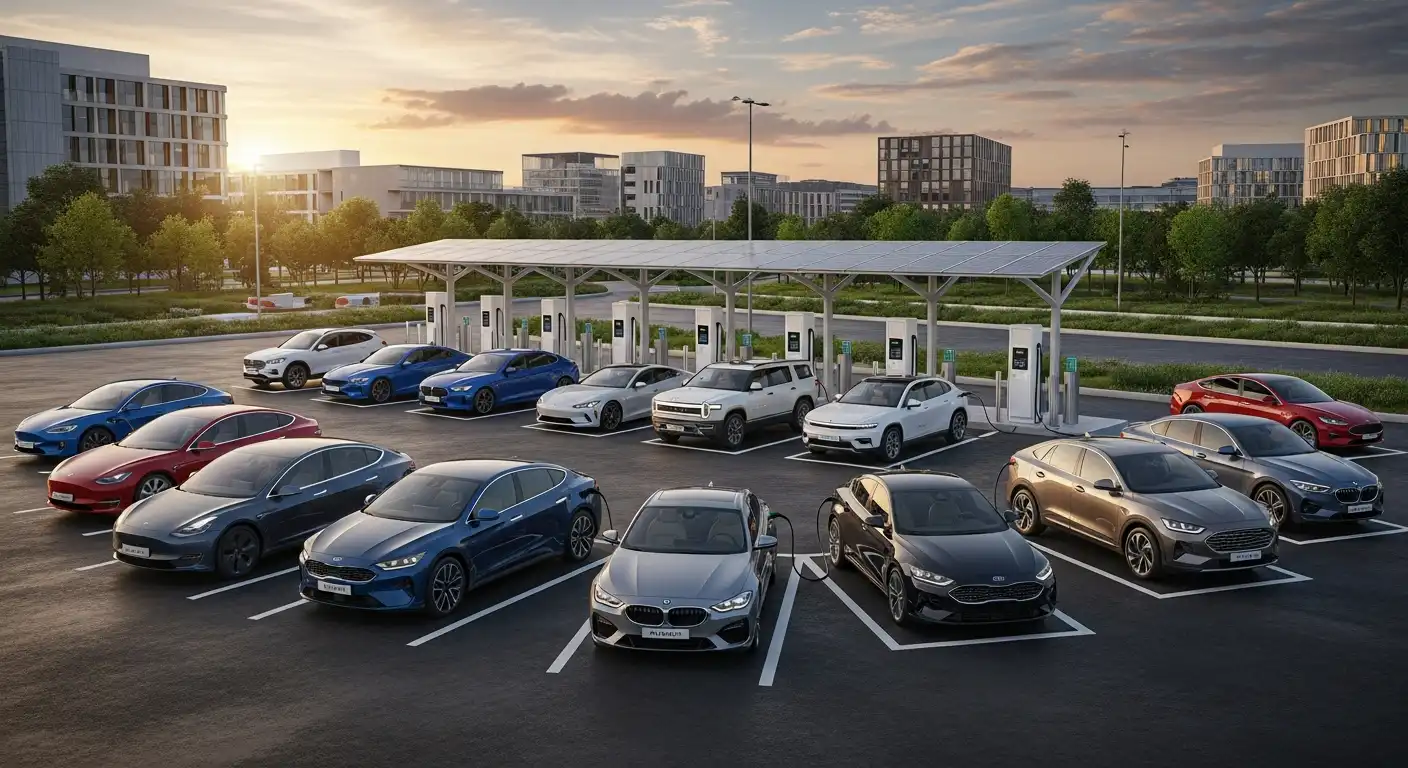
During the month of July, power consumption by EV charging and battery-swapping services reached an extraordinary 16.4 billion kilowatt-hours. This represents a massive 50.3 percent year-on-year increase compared to the same period in 2025, proving that the transition from internal combustion engine vehicles to electric alternatives has achieved massive commercial scale.
To support this rapid charging demand, Chinese utility companies and private charging operators have constructed some of the most advanced, high-capacity charging networks in the world.
The availability of these fast-charging stations and automated battery-swapping plazas has successfully cured the consumer’s “charging anxiety,” encouraging millions of drivers to adopt electric vehicles for both daily city commutes and long-distance regional travel.
The Seven-Month Trend of Over Fifty-Five Percent Growth
The rapid, sustained growth in EV charging power consumption is also visible in the cumulative data. For the first seven months of the year, electricity use by charging and battery-swapping services surged by 55.8 percent year on year.
This sustained, double-digit growth is being driven directly by the rapid expansion of China’s domestic NEV market, where electric and hybrid models now routinely capture over 50% of all new car sales.
This massive passenger vehicle fleet requires a constant, highly reliable supply of electricity.
By scaling up its charging infrastructure, the government has ensured that its domestic battery vehicle fleet can operate with absolute reliability.
This green transition not only reduces the country’s reliance on expensive, imported crude oil but also significantly lowers urban tailpipe emissions, proving that the electrification of transportation is a highly effective, scalable tool for national decarbonization.
The Digital Backbone: AI Data Centers and the Computational Energy Squeeze
As the green transition drives up power demand on the roads, the rapid expansion of the country’s digital economy is creating an equally massive, highly challenging energy squeeze inside the nation’s server rooms.
Data Services Jump Forty Percent to Nearly Ten Billion Kilowatt-Hours
In July, electricity consumption by internet data services—which include the massive, high-performance computing centers and server farms that power the country’s digital economy—jumped by 40.1 percent year on year, reaching a total of 9.9 billion kilowatt-hours.
For the first seven months of the year, data center power consumption rose by 43.3 percent, indicating that the digital infrastructure sector is experiencing a sustained, multi-year expansion.
This rapid growth is being driven directly by the global artificial intelligence arms race.
To train and run advanced generative AI models, manage municipal smart grids, and support enterprise cloud applications, technology firms must construct massive, gigawatt-scale data center campuses.
These facilities require an enormous, uninterrupted supply of baseload electricity to power their processors and keep their systems running.
The Intense Power and Cooling Requirements of High-Density GPU Servers
The primary reason why data centers consume such an extraordinary amount of electricity is the extreme power density and cooling requirements of modern artificial intelligence hardware.
To train advanced models, developers must connect thousands of specialized graphics processing units into a single, highly coordinated supercomputing cluster.
These high-density server racks consume up to 100 kilowatts of power per unit, generating extreme temperatures during operation.
To prevent this sensitive hardware from overheating, data center operators must install massive, continuous liquid cooling systems and heavy ventilation arrays.
This cooling infrastructure often consumes almost as much electricity as the actual processors, turning these computer campuses into massive industrial energy consumers that place an immense, concentrated burden on the regional power grid.
The Industrial Realignment: High-Tech Manufacturing Outpaces Traditional Sectors
The structural transformation of the Chinese economy is also clearly visible in its industrial production data, where capital-intensive, high-value advanced manufacturing is rapidly displacing older, resource-heavy industries.
Advanced Manufacturing Climbs Nearly Nine Percent
During the month of July, electricity consumption by the high-tech and equipment manufacturing industries rose by an impressive 8.9 percent year on year, reaching a total of 122 billion kilowatt-hours.
This high-growth performance outpaced the broader industrial sector, proving that the government’s strategic focus on upgrading its national manufacturing base is delivering real, measurable results.
These advanced manufacturing industries include several key, high-growth sectors, such as advanced medical devices, precise industrial robotics, high-efficiency clean energy components, and advanced semiconductors.
By prioritizing the development of these advanced, high-value industries, China is successfully moving up the global technological value chain, ensuring that its export sector remains highly competitive even during periods of broader economic uncertainty.
The Slowdown in Primary Industry and Flat Traditional Sectors
The robust growth of the high-tech sector stands in sharp contrast to the sluggish performance of the country’s traditional, resource-heavy industries.
In July, electricity consumption by the primary industry, which includes agriculture and raw material extraction, fell by 2% year on year to 16.7 billion kilowatt-hours.
At the same time, the broader secondary industry, which covers traditional heavy manufacturing, construction, and mining, saw its power consumption rise by a modest 3% to 611.6 billion kilowatt-hours.
This clear divergence in power growth rates proves that the country is successfully transitioning away from low-value, high-energy-consumption traditional industries and moving toward more efficient, high-value advanced manufacturing.
This industrial realignment is helping to reduce the country’s overall energy intensity, ensuring that China can continue to grow its gross domestic product while making steady progress toward its long-term carbon neutrality goals.
The National Grid Challenge: Balancing High-Volume Demands with Peak Load Stability
The rapid, consecutive surge in power demand from the EV, data center, and high-tech manufacturing sectors has created a massive, highly challenging operational bottleneck for the country’s utility companies and grid operators.
Managing the One-Trillion Kilowatt-Hour July Peak
In July, China’s total national electricity consumption reached an extraordinary peak of 1.04 trillion kilowatt-hours, representing a 1.7 percent year-on-year increase.
While a 1.7 percent growth rate seems moderate, it represents a massive, absolute volume of power, as the national grid had to support some of the highest peak-hour electricity demands in human history during the hottest weeks of the summer.
Managing this massive peak is exceptionally difficult because of the sharp rise in temperature-driven residential cooling demands, which occur at the exact same time that high-density industrial data centers and manufacturing plants are running at maximum capacity.
To prevent widespread regional blackouts and protect its citizens, the government must ensure that its utility companies can balance the grid’s load in real time, requiring absolute operational discipline and advanced coordination.
Investing in Grid Modernization and Renewable Storage
To address this critical capacity challenge, the Chinese government is executing a massive, multi-billion-dollar grid modernization campaign.
The state is investing over $100 billion in national grid upgrades, constructing high-voltage direct-current transmission lines to route clean, renewable energy from the sunny southern regions directly to the high-tech northern manufacturing hubs.
Additionally, the country is investing heavily to build out its utility-scale battery storage capacity, which has grown at an extraordinary annual average rate of 70% over the past three years.
These massive battery storage systems allow grid operators to store excess solar and wind energy generated during the day and discharge it during peak evening hours, providing a stable, clean, and highly reliable source of electricity for the modern machine economy.
By building this highly resilient, modern power grid, the government is ensuring that its critical industries can continue to expand safely and efficiently, representing a major investment where even a 1.5% improvement in grid transmission or a 1.5% reduction in data center power usage can save operators billions of dollars annually.
Reforming the Foundations of Clean Growth
The completed publication of the July and seven-month economic indicators by the National Energy Administration is a landmark milestone for the global technology and financial sectors. By demonstrating a massive 50.3% surge in EV charging power consumption, a 40.1% jump in data center electricity use, and an 8.9% increase in high-tech manufacturing, the national watchdog has proven that China’s transition to a high-tech, self-reliant economy is successfully gathering momentum.
While traditional challenges like the property sector downturn and global trade frictions remain, the rapid, self-sustaining expansion of these green and digital industries is successfully filling the gap, proving that Beijing’s long-term focus on “new quality productive forces” is delivering real, measurable results.
As Chinese companies continue to integrate advanced AI models into their factories and utilize localized supply chains to bypass international restrictions, China is successfully constructing a highly resilient, modern industrial base, securing its position as an undisputed technological and economic superpower for decades to come.