Key Points:
- China reported a 14.2 percent increase in foreign trade for April.
- Total imports and exports reached an impressive 4.38 trillion yuan last month.
- Export shipments grew by 9.8 percent to hit 2.48 trillion yuan.
- Import volume jumped a massive 20.6 percent to reach 1.9 trillion yuan.
China just reported a massive boost in its global business dealings. The country’s foreign trade engine grew by 14.2 percent year on year in April. The General Administration of Customs released these official numbers on Saturday morning. The data show that total imports and exports reached an incredible 4.38 trillion yuan, equivalent to roughly $639.4 billion. These strong numbers prove that the national economy remains highly active despite major global challenges.
The latest customs report breaks down the trade numbers into clear categories. Outbound shipments performed very well. Total exports rose by 9.8 percent compared to the same month last year. This steady growth pushed export values to 2.48 trillion yuan. At the same time, the country bought heavily from abroad. Total imports surged by a massive 20.6 percent, reaching 1.9 trillion yuan. This sharp jump in imports signals very strong domestic demand for foreign products and raw materials.
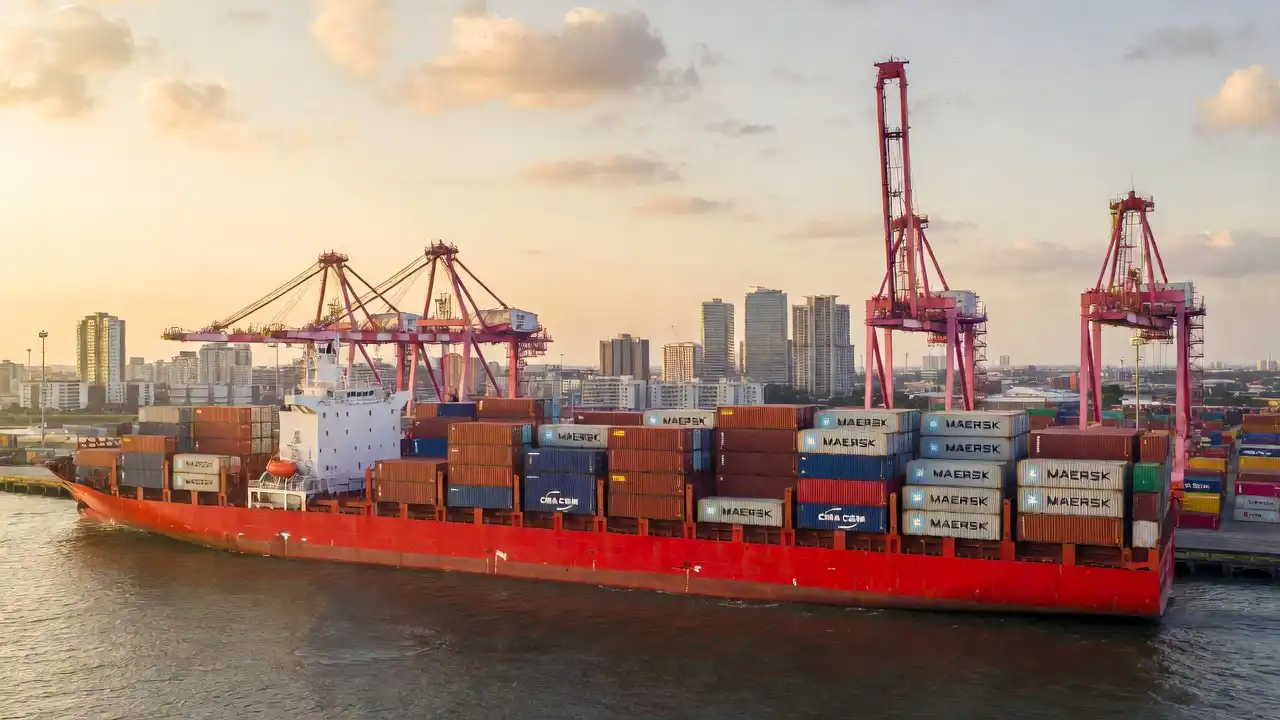
Looking at the broader picture reveals a consistent pattern of growth. During the first four months of the year, total foreign trade reached 16.23 trillion yuan. This figure represents a 14.9 percent increase over the same period last year. The national economy clearly carries strong momentum as the spring season comes to an end. Factory workers and shipping ports remain incredibly busy as they handle the massive flow of goods moving in and out of the country.
This trade boom surprised many economic experts. Global markets currently face severe headwinds. The ongoing crisis in the Strait of Hormuz makes shipping goods across the ocean much more expensive. Energy costs continue to climb, which usually hurts manufacturing profits. However, Chinese factories managed to push through these obstacles. They successfully beat market expectations and kept their production lines running at full speed.
The timing of these orders tells an interesting story about global buyer behavior. Many international companies likely rushed to place their orders early. They wanted to secure their products before shipping costs and fuel prices climbed even higher due to the conflict in Iran. Factory surveys confirm this specific trend. New export orders actually hit a two-year high in April. Global buyers clearly trust Chinese manufacturers to deliver goods quickly amid global uncertainty.
The domestic economy supports this impressive trade performance. During the first quarter of the year, the national gross domestic product expanded by exactly 5 percent. This solid growth rate perfectly matches the government’s official full-year target. Because the economy started the year so strongly, government officials feel less pressure to roll out expensive stimulus packages. They can simply let the active manufacturing sector carry the weight.
Regional business partnerships also play a huge role in these positive numbers. Trade with neighboring Asian countries looks incredibly strong right now. For example, South Korea saw its exports to China jump by a staggering 63 percent in April. Advanced computer chips and semiconductors led this massive wave of trade. Chinese technology factories desperately need these high-tech components to build computers, smartphones, and smart cars for the global market.
Despite the current success, economists issue careful warnings about the coming months. They point out that a prolonged disruption in the Middle East could eventually slow things down. High energy costs act like a heavy tax on everyday consumers around the world. If people spend most of their paychecks on expensive fuel and necessities, they will stop buying imported electronics and clothing. Chinese exporters must prepare for a potential drop in future demand.
Diplomacy might soon alter the global trade rules. Major political meetings can easily change how countries do business with each other. United States President Donald Trump plans to visit Beijing next week. He will hold high-level talks with Chinese President Xi Jinping. Business leaders everywhere will watch these conversations very closely. Any new agreements or changes to current trade tariffs will directly impact factory orders in the coming year.
For now, the Chinese manufacturing sector enjoys a clear winning streak. The factories proved they can adapt to rising costs and tangled supply networks. A 14.2 percent jump is incredibly strong. As long as global buyers need reliable products, Chinese ports will remain crowded with cargo ships. The country continues to solidify its position as the world’s ultimate manufacturing center.