

Key Points:
- AUTOSAR has adopted a Chinese-developed intelligent driving operating system as part of its global code baseline.
- This marks the first time that China’s automotive foundational software has become a global industry standard.
- The software foundation manages vehicle computing resources and currently runs on over 25 million vehicles.
- Automakers worldwide can now use the Chinese technology as a baseline reference for their smart vehicles.
A Chinese-developed intelligent driving operating system has officially been added to the core baseline of the global public code repository for intelligent driving systems. The International Automotive Open System Architecture (AUTOSAR) announced this significant development during a major industry assembly in Shanghai. This milestone incorporates China’s basic automotive software technology into a global industry standard for the very first time. The decision gives international car manufacturers direct access to Chinese-designed software infrastructure, effectively standardizing the core building blocks of the autonomous vehicle industry.
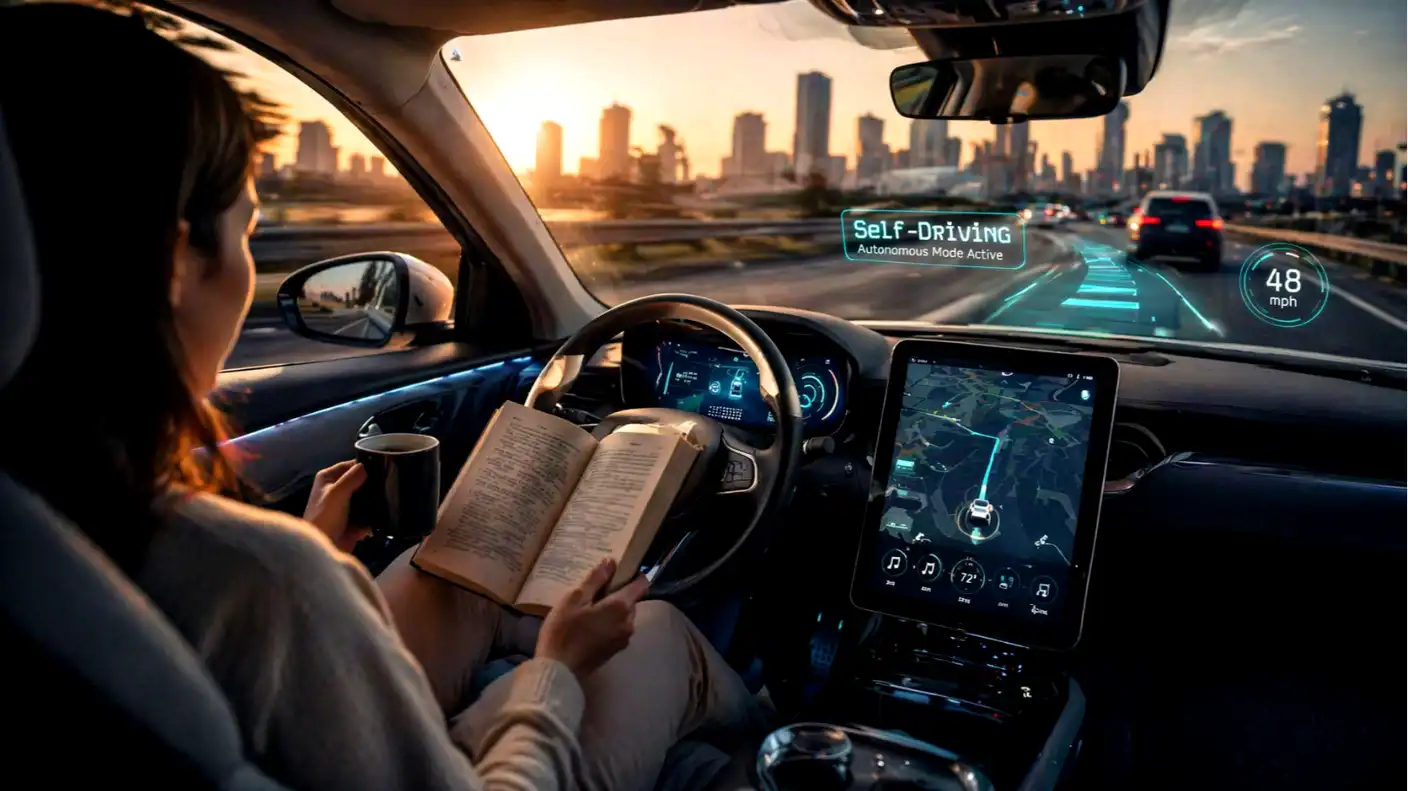
Often described as the software foundation of modern intelligent vehicles, the operating system plays a critical role in the architecture of software-defined vehicles. It coordinates vehicle computing resources and centrally manages vehicle chip computing power, ensuring the stable and safe operation of various autonomous driving assist functions. By integrating this software baseline into the global public repository, the international organization enables automakers worldwide to use this Chinese solution as a foundational reference. This standardization allows engineers to build compatible, high-performance autonomous driving software without starting from scratch, significantly lowering research and development costs for startups and established brands alike.
The selection committee chose the Chinese solution in part because China hosts one of the world’s most active and competitive intelligent driving markets. Both legacy automakers and tech startups rapidly roll out Level 2 and Level 3 autonomous features to meet soaring consumer demand. This hyper-competitive environment has forced Chinese software developers to iterate their code at breakneck speeds, producing highly optimized, robust operating systems that can seamlessly interface with next-generation automotive chips. Consequently, the Chinese software offers a level of market-tested maturity that few other systems can match.
Automakers have already installed one Chinese-developed intelligent vehicle operating system in more than 25 million vehicles across over 300 distinct vehicle models. This massive, real-world deployment provides developers with unprecedented telemetry data and extensive validation across highly diverse driving conditions. Operating over millions of road hours across different terrains and climates, the system proved its reliability and safety. This massive scale of real-world testing gave international regulators and automotive engineers the confidence to adopt the code as a trusted global standard.
AUTOSAR’s chairperson, Thomas Rüping, emphasized the growing importance of open-source collaboration and technology sharing in the modern automotive landscape. Rüping noted that software-defined vehicles require immense cooperation between chip manufacturers, software engineers, and traditional automakers to succeed. By sharing foundational code globally, the industry can avoid fragmented development processes and redundant engineering tasks. This collaborative approach not only accelerates overall innovation but also ensures that future autonomous vehicles operate under unified, cross-border safety standards. He highlighted that open standards are the ultimate vehicle for fast-tracking safety-compliant ecosystems globally.
The automotive sector is currently undergoing a massive structural shift away from traditional mechanical hardware and toward software-defined systems. Historically, cars operated on dozens of isolated, low-power electronic control units with hard-coded functions. Today, a centralized, high-performance computing domain controller manages everything from safety systems and powertrain controls to in-car entertainment. This shift requires a highly sophisticated middleware layer—exactly where the Chinese operating system fits in—to prevent system crashes and coordinate trillions of calculations per second. The operating system acts as the digital orchestrator, bridging the gap between advanced silicon chips and autonomous driving applications.
The milestone also highlights the growing international influence of China’s automotive software industry, which previously relied heavily on Western imports for operating systems and design software. By establishing a global baseline, Chinese developers have transitioned from tech adopters into global standard-setters. This transition reduces the country’s vulnerability to supply chain blockades and trade restrictions while positioning Chinese firms to lead the global market. It also signals that international standard-setting bodies now fully recognize the technical maturity of Chinese automotive software.
As automakers globally prepare to design the next generation of smart vehicles, the integration of Chinese software as an AUTOSAR baseline marks a permanent shift in the power of standard-setting. Open-source collaboration will likely continue to bridge geopolitical divides, ensuring that vehicle safety and engineering efficiency remain top priorities. Automakers worldwide can now leverage this highly validated Chinese codebase to build safer, more reliable intelligent systems, ultimately paving the way for a more unified and globally connected autonomous driving ecosystem.






