Key Points:
- Xing Yanling and her trade group are committed to purchasing 50,000 metric tons of deforestation-free Brazilian beef.
- The massive order accounts for 4.5 percent of all Brazilian beef exports heading to China this year.
- This pledge shatters the old myth that Chinese agricultural buyers only care about finding the lowest possible price.
- Cattle ranching currently drives massive environmental destruction, claiming 90 percent of all newly cleared land in the Amazon rainforest.
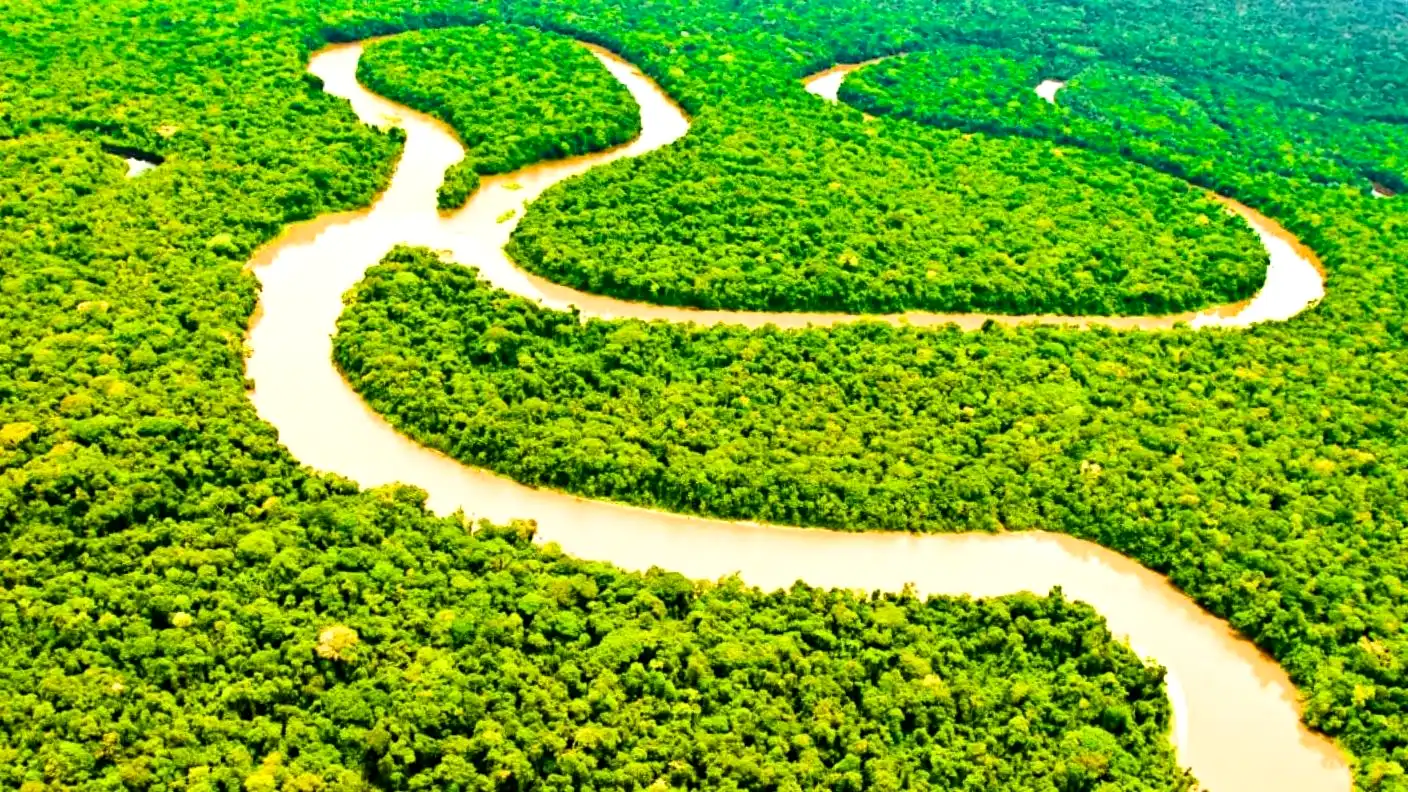
When Xing Yanling shared her travel photos on WeChat this past April, she wanted her friends back home to understand the sheer scale of the Brazilian Amazon. She vividly described the unforgettable sensation of feeling enveloped by tens of thousands of shades of green. However, Xing did not travel to South America just to take a vacation. She serves as the powerful president of the Tianjin Meat Industry Association. Her organization carries massive weight in the global food market, representing importers who handle roughly 40 percent of all Chinese beef purchases originating from Brazil.
During her visit, Xing led her association to make a groundbreaking environmental promise. The Tianjin-based group officially committed to purchasing 50,000 metric tons of certified deforestation-free Brazilian beef before the end of the year. This massive order signals a major shift in international trade. It proves that China, which currently stands as one of the most powerful forces in the global commodity market, now willingly pays a premium to secure greener, more sustainable supply chains.
For decades, a very specific assumption dominated the minds of Brazilian farmers and ranchers. They believed that Chinese buyers only cared about securing the absolute lowest price for agricultural goods. Because China is the largest global importer of both beef and soy, Brazilian producers have focused entirely on volume and cost rather than on environmental sustainability. This new 50,000-ton pledge directly challenges that old narrative and forces South American suppliers to rethink their business models.
The sheer volume of this commitment makes a noticeable impact on the market. The pledged 50,000 metric tons represent exactly 4.5 percent of the total beef volume that Brazilian exporters expect to sell to Chinese buyers this entire year. While that might sound like a small fraction, securing that much certified meat requires rigorous tracking and strict environmental audits. Industry experts view this initial purchase as a crucial stepping stone toward transforming the entire meat trade between the two countries.
This private sector pledge perfectly mirrors the changing political attitude in Beijing. Over the past few years, the Chinese government has sent clear signals that it wants to reduce the severe environmental impacts of its global trade network. At the same time, officials want to protect their own domestic agricultural industries from unfair, unregulated foreign competition. Beijing realizes that ignoring environmental destruction poses a long-term threat to global food security.
We can trace this green policy shift back several years. In 2019, Chinese lawmakers amended the national forest law to ban the trade and import of illegal timber strictly. The government took another massive step in 2023 when it signed a formal joint commitment with the Brazilian government. Both nations agreed to work together to end the illegal deforestation driven by international commodity trade. Furthermore, COFCO, the massive state-owned food trader in China, began implementing strict new rules last year to eliminate deforestation from its global supply chains.
Environmental advocates believe the beef industry offers the perfect testing ground for these new green policies. Andre Vasconcelos serves as the head of global engagement for Trase, a prominent platform that closely tracks the environmental footprint of various supply chains. He explained that beef is a strong target for concrete climate action because it is not a core, irreplaceable staple of the daily Chinese diet. If beef imports face strict audits, the average Chinese consumer will not suffer as much as they would if soy or pork faced similar restrictions.
Vasconcelos also pointed out the growing public knowledge surrounding the meat industry. He noted that modern tracking tools and available public information make it impossible to hide the truth. Among the agricultural commodities China imports, Brazilian beef has the strongest direct link to the destruction of native forests. Environmental groups clearly identify cattle ranching as the primary culprit behind the loss of critical habitats.
The situation on the ground in South America remains dire. The Amazon rainforest is the largest and most biodiverse ecosystem on the planet, yet it faces relentless daily threats. According to MapBiomas, a respected Brazilian nonprofit organization that monitors land use, the rainforest loses hundreds of thousands of acres of ancient trees every single year. The nonprofit reports a shocking statistic: cattle ranchers convert 90 percent of that newly cleared forest land into grazing pasture almost immediately after cutting down the trees.
Fortunately, the end consumer now drives the push for positive change. Xing noted that everyday Chinese shoppers pay much closer attention to where their food comes from. As the middle class expands and citizens grow wealthier, these consumers become far more discerning. They want high-quality products that do not destroy the planet. By demanding deforestation-free beef, Chinese buyers can force Brazilian ranchers to protect the Amazon rainforest rather than burn it to the ground.