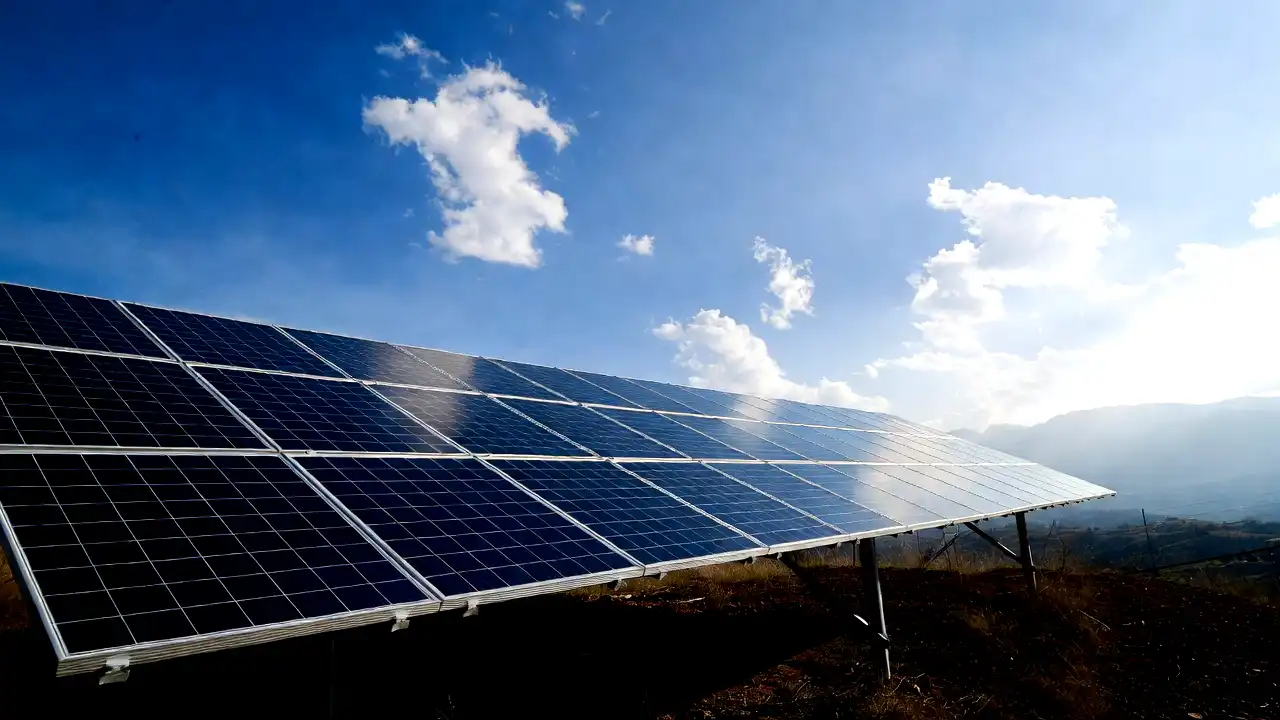
The landscape of American renewable energy is facing its most significant and disruptive regulatory transformation. For years, the rapid growth of the wind and solar sectors was supported by generous, multi-billion-dollar federal tax subsidies passed under the Inflation Reduction Act of 2022. These subsidies, which covered at least 30% of total project construction costs, allowed developers to build out massive clean energy networks while keeping electricity contracts affordable for corporate and utility buyers.
This supportive era of green incentives is coming to a sudden end. Under President Donald Trump’s landmark 2025 tax law, known as the One Big Beautiful Bill Act (OBBBA), the federal government accelerated the phaseout of these valuable clean energy tax credits, setting a strict construction-start deadline of July 5, 2026.
The looming cutoff has triggered an unprecedented, frantic scramble across the United States. Solar and wind developers are racing to secure their eligibility before the deadline, creating a massive, multi-year pipeline of projects designed to lock in the old subsidy rates.
But while the rush has successfully secured billions of dollars in tax credits, the transition is set to drive renewable power contract prices sharply higher. As the industry faces the loss of these major federal subsidies, the cost of clean energy is projected to soar at the exact moment when the massive expansion of artificial intelligence data centers is pushing the country’s electrical grids to their absolute limits.
The Mechanics of the Impending Clean Energy Tax Credit Cutoff
The sudden shift in the federal subsidy landscape has forced clean energy developers to completely rewrite their financial models. The transition represents a major victory for the Trump administration, which has prioritized fossil fuel production and sought to dismantle what it considers expensive, market-distorting green energy programs.
The Looming July Five Deadline and the One Big Beautiful Bill Act
The regulatory mechanism driving the current market scramble is a set of strict provisions within the OBBBA, which Congressional Republicans passed last July. The law accelerated the expiration of several critical Biden-era clean energy tax credits, specifically those governed by Internal Revenue Code (IRC) Section 45Y for clean electricity production and Section 48E for clean electricity investment.
Under the new law, wind and solar developers must prove that they have officially “begun construction” on their projects before July 5, 2026, to qualify for the full tax credits. Any project that fails to meet this deadline will see its federal subsidies expire or phase out rapidly, forcing developers to bear the full, unsubsidized cost of construction.
This strict deadline has created an intense, high-stakes countdown for developers, who are working around the clock to secure their eligibility before the gate closes.
The Critical Loss of Thirty Percent Project Cost Subsidies
The financial stakes of the cutoff are enormous. The clean energy tax credits are worth at least 30% of a project’s total construction costs, serving as the financial foundation that made utility-scale wind and solar projects commercially viable.
Without these subsidies, developers must find alternative ways to finance their construction pipelines, such as securing more expensive private equity or taking on high-interest corporate debt.
President Donald Trump has repeatedly argued that wind and solar energy are too expensive, receive unfair government handouts, and are fundamentally less reliable than traditional fossil fuels.
By accelerating the cutoff, the administration aims to level the playing field for coal and natural gas, reducing federal spending on renewable energy while pushing the country toward total energy autarky through increased domestic drilling. However, for clean energy developers, the loss of this 30% financial cushion represents a massive structural shock that is set to ripple through the entire energy market.
Soaring Power Contract Prices and the AI Demand Squeeze
The loss of federal subsidies is happening at a time when the demand for electricity is growing at its fastest rate in decades, driven primarily by the massive, energy-intensive buildout of artificial intelligence data centers.
Projections Show PPA Prices Rising Forty to Fifty Percent
According to a detailed market analysis published by clean energy transaction platform LevelTen Energy, the loss of the 30% tax subsidies will have an immediate, severe impact on the cost of renewable energy contracts, known as Power Purchase Agreements (PPAs).
LevelTen projects that the phaseout of the subsidies could drive contract prices for wind and solar energy up by 40% to 50% nationwide.
This price surge will directly impact large utility companies, municipal governments, and major corporate buyers who rely on PPAs to meet their clean energy targets.
As developers raise their contract prices to offset the loss of federal subsidies, the overall cost of electricity is set to rise, putting a heavy financial burden on consumers and businesses at a time of persistent domestic inflation.
Texas Deals Skyrocket One Hundred Twenty Percent Amid Data Center Boom
The pricing pressure is particularly acute in high-demand, deregulated energy markets like Texas, which serves as a major hub for both cryptocurrency mining and artificial intelligence data centers.
Early contract data from LevelTen shows that PPA prices for some advanced solar and wind deals in the Texas market have already skyrocketed by as much as 120%.
However, developers point out a significant silver lining in these soaring prices. Because the massive demand from AI data centers has driven overall electricity prices so high, renewable energy remains highly competitive even without federal subsidies.
John Witchel, a prominent clean energy developer, noted that because the cost of electricity has escalated so dramatically in major business regions, developers can launch new projects with the same level of profitability in three years as they can today, proving that the rising price of energy has successfully offset the loss of the tax credits.
The Two Hundred Gigawatt Rush: Developers Scramble for Safe Harbor
To protect their projects from these soaring costs, clean energy developers have launched a massive, coordinated effort to secure their tax credits before the July 5 deadline.
Wood Mackenzie Tracks a Solar Pipeline Large Enough to Double Capacity
This frantic scramble has created an extraordinary pipeline of planned renewable energy projects. According to data compiled by energy research firm Wood Mackenzie, developers have successfully secured tax credit eligibility for a massive pipeline of more than 200 gigawatts of solar capacity.
A pipeline of over 200 gigawatts is nearly large enough to double the entire current U.S. solar fleet. Because these projects have successfully locked in the old, 30% tax credit rates, they represent highly valuable corporate assets.
Utility companies and corporate buyers who fail to secure contracts with projects within this pre-deadline pipeline will face far higher costs in the coming years, turning these secured projects into a highly prized commodity in the energy market.
The Court’s Ruling Restores the Five Percent Safe Harbor Option
The developers’ rush to secure eligibility was given a major, last-minute boost by a significant federal court ruling. On June 6, the U.S. District Court for the District of Columbia vacated Treasury guidance—known as Notice 2025-42—that had severely restricted developers’ options to qualify for the tax credits.
Prior to the court’s ruling, Treasury guidance had eliminated one of the two traditional pathways developers used to prove they had “begun construction” by the deadline. The court held that this guidance was arbitrary and capricious, restoring the highly popular “5% safe harbor” option.
Under the safe harbor rules, a developer can prove they began construction simply by paying or incurring at least 5% of the project’s total anticipated cost before the July 5 deadline.
Vivek Chandrasekhar, a prominent tax professional at Perkins Coie, noted that this ruling has brought a critical alternative back to the table, advising developers to take a “belt-and-suspenders” dual-path strategy by starting physical work while simultaneously spending 5% of project costs to guarantee their tax credit eligibility before the clock runs out.
Broader Geopolitical and Industrial Implications
The current clean energy scramble is further complicated by strict new regulatory requirements designed to reduce China’s influence over the American energy supply chain.
The Domestic Content Mandates and China Infiltration Rules
On February 12, the U.S. Treasury Department published a series of interim rules enforcing provisions within the One Big Beautiful Bill Act. These new regulations place strict, complex restrictions on companies claiming clean energy tax credits if their projects rely too heavily on components, materials, or labor sourced from what the law calls “prohibited foreign entities,” which primarily target China, Russia, Iran, and North Korea.
President Donald Trump has used his second term to actively hinder the expansion of clean energy technologies, which he has criticized for being overly dependent on supply chains controlled by China.
The new interim rules prevent companies owned or influenced by Chinese firms from accessing the lucrative federal subsidies, forcing developers to audit their entire supply chains to ensure compliance.
While these restrictions aim to protect national security and encourage the domestic manufacturing of solar panels, wind turbines, and advanced batteries, they have introduced a major layer of operational complexity, forcing developers to pay higher prices for domestic components and complicating their efforts to beat the July 5 deadline.
Realigning the American Energy Landscape
The looming clean energy tax credit cutoff represents a historic, highly volatile turning point that permanently alters the competitive dynamics of the American energy sector. By accelerating the phaseout of the valuable 30% subsidies and implementing strict foreign entity restrictions under the One Big Beautiful Bill Act, the Trump administration has successfully forced a rapid, multi-billion-dollar restructuring of the renewable energy market.
While the massive, 200-gigawatt rush of pre-deadline projects has successfully secured a temporary cushion for the industry, the long-term outlook is characterized by rising costs.
As PPA prices rise by up to 50% nationwide, and developers struggle to navigate strict domestic content rules, the cost of clean energy will rise at the exact moment when the massive expansion of artificial intelligence data centers is driving electricity demand to record heights.
To survive in this new, high-cost environment, the clean energy sector must rely on its fundamental cost-competitiveness and find innovative, highly efficient ways to build, scale, and deliver power, proving to the world that the transition to a sustainable economy must now be achieved through the raw forces of market demand rather than the support of federal handouts.