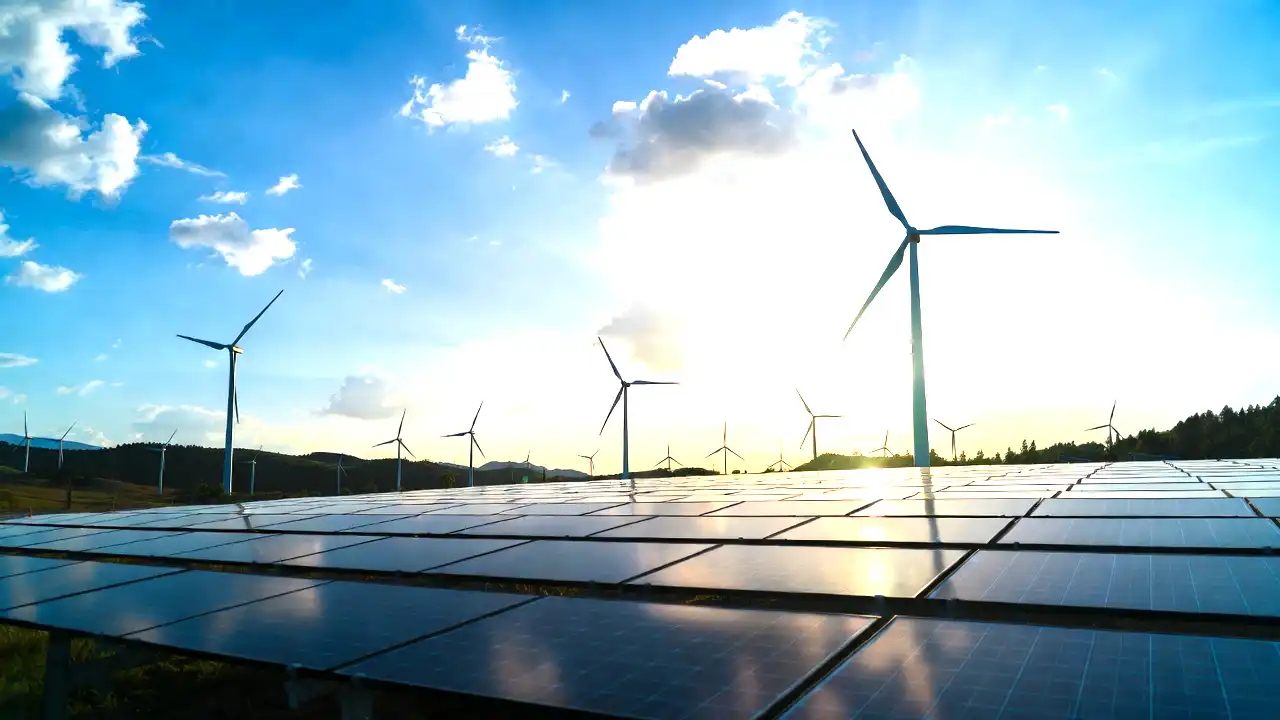
The global climate conversation operates under a highly optimistic, widely accepted narrative: the green energy transition. According to this mainstream view, the world is embarking on a smooth, predictable journey away from polluting fossil fuels and toward clean, renewable energy sources like wind and solar. This transition is frequently compared to previous historical shifts, with advocates arguing that just as wood gave way to coal, and coal gave way to oil, fossil fuels will now naturally yield their dominant position to the solar module, the electric vehicle, and the battery pack.
But this familiar, neat story is completely wrong. In an eye-opening interview on the Bloomberg Zero: The Climate Race podcast, French historian Jean-Baptiste Fressoz, author of the groundbreaking book More and More and More, delivered a profound reality check to the international climate community. Fressoz argued that the very concept of an energy transition is a historical myth.
Throughout human history, societies have never actually transitioned away from an old energy system; they have only ever practiced “energy addition.”
This ongoing energy transition debate must move past tech-driven optimism to confront the unprecedented, difficult reality of actively dismantling and retiring fossil-fuel infrastructure. By examining Fressoz’s historical research, analyzing the material realities of renewable energy, and reviewing the massive global data-center demand boom, we can understand why the current transition path is so difficult, and what must change if the world is to successfully achieve real, absolute carbon reductions.
The Myth of Substituted Energy: Historical Realities of Energy Addition
To understand why the current transition roadmap is facing such immense friction, we must first dismantle our incorrect assumptions about past industrial eras. The popular historical narrative suggests that when humanity discovered coal in the 19th century, it quickly abandoned wood as a primary fuel source. Similarly, the story goes that when oil was discovered in the 20th century, the global economy rapidly transitioned away from coal.
Fressoz’s historical research proves that these transitions simply never happened. In reality, the industrial revolution did not replace wood with coal; it used coal to dramatically scale up the production of iron, machinery, and paper, which actually drove the consumption of wood to record-high levels.
In fact, the world consumes significantly more wood today—for residential heating, industrial paper production, construction, and cooking—than it did at the height of the 19th-century timber era.
The same pattern of addition holds true for fossil fuels:
- Coal Consumed at All-Time Highs: The discovery of oil and natural gas did not lead to a decline in coal usage. Today, the global economy consumes more coal than ever before in human history, using the cheap fuel to power heavy manufacturing plants, cement kilns, and electricity grids across emerging markets.
- Oil Consumption Continues to Expand: The rapid rise of natural gas and solar power has done virtually nothing to dent global oil demand, which continues to set new consumption records year after year.
- The Symbiotic Relationship: New energy technologies do not displace old ones; they actively feed off each other. The extraction of oil requires massive steel drills and steel pipelines, which are manufactured in heavy, coal-fired industrial plants. The construction of coal plants requires massive transportation networks powered by diesel-burning ships and trucks.
Historically, new energy sources have only ever expanded the total size of the global energy pie, adding a new layer of consumption on top of existing layers rather than replacing them. Humanity has never successfully phased out a dominant energy system, making today’s climate goals completely unprecedented in human history.
Key Components of the Energy Addition Model
The historical pattern of energy accumulation and symbiotic resource usage relies on several critical economic and physical components:
- Symbiotic Material Interdependence: The process where the production of new energy technologies actively drives up the consumption of older, traditional energy and material sources.
- The Growth of the Total Energy Pie: The continuous expansion of global energy demand, where new clean energy sources satisfy new demand rather than replacing legacy fossil fuels.
- Active Capital Devaluation: The politically difficult process of legally forcing companies to shut down and write off fully functional fossil-fuel systems before they reach the end of their economic lifespans.
- Consumption Sufficiency Models: Structural economic policies designed to encourage societies to consume less overall energy and material resources, rather than simply switching to green alternatives.
- The “Greenflation” Price Spiral: The persistent inflationary pressure caused by the simultaneous global demand for both legacy fossil fuels and high-cost green metals.
Why Technology Alone Cannot Deliver Decarbonization
The dominant strategy of modern climate policy relies heavily on technological optimism. Governments and venture capital firms are pouring trillions of dollars into scaling up solar panel factories, wind turbine deployments, and electric vehicle gigafactories, assuming that these green technologies will automatically displace fossil fuels through open-market competition.
Fressoz argues that this tech-first approach ignores the physical realities of industrial manufacturing. Solar panels, wind turbines, and electric vehicles are not weightless, digital software applications; they are highly complex, material-intensive physical products.
Building a single utility-scale wind turbine requires hundreds of tons of high-strength steel, copper, specialized fiberglass, and concrete. Smelting and refining these materials requires massive, continuous heat that is currently generated almost exclusively by burning coal and natural gas.
Consequently, the rapid scaling of green technologies is actually driving up the short-term demand for fossil fuels. If a company wants to build a massive gigafactory to manufacture lithium-ion batteries, it must use diesel-powered excavators to clear the land, steel manufactured in coal-fired blast furnaces to erect the building, and fossil-fueled electricity grids to power the early stages of production.
Without a deliberate, state-enforced policy to restrict and shut down the older fossil-fuel systems, the clean energy boom simply acts as a massive new layer of energy addition, expanding total global energy consumption while doing very little to reduce absolute emissions.
The Illusion of the Smooth Transition: Why Net-Zero Plans Are Unprecedented
The historic targets of the Paris Agreement require the global economy to achieve net-zero carbon emissions by the year 2050. This timeline requires humanity to completely phase out a multi-trillion-dollar global fossil-fuel infrastructure—which took over 150 years of continuous engineering and investment to build—in less than three decades.
Fressoz warns that pretending this process will be smooth, market-driven, and economically painless is a dangerous political myth. The transition cannot be achieved through simple consumer choice or corporate green pledges.
To actually reduce global emissions, governments must implement highly coercive, unpopular policies that force the active, rapid devaluation of fossil-fuel capital.
This means that governments must legally force utility companies to shut down fully functional, highly profitable natural gas and coal plants decades before they reach the end of their design lifespans. They must force oil companies to plug active wells, and they must force automotive manufacturers to decommission operational internal combustion assembly lines.
Because these moves will write off trillions of dollars in corporate assets and threaten millions of traditional energy jobs, they will inevitably face fierce, well-funded resistance from powerful corporate lobbies and political groups. Pretending the transition will be an easy, win-win technological upgrade sets the public up for extreme frustration and delays the difficult political decisions needed to enforce real change.
The Real-World Friction: Global Energy Market Shocks
The extreme difficulty of managing this unprecedented resource shift has been on full display over the past several years, as successive global energy shocks have forced nations to rapidly rewrite their clean energy roadmaps to prioritize near-term national security.
When the military escalation in the Middle East closed the Strait of Hormuz, blocking the flow of 20 million barrels of daily oil shipments, global energy markets went into a tailspin. Rather than using the crisis as a catalyst to accelerate their green transitions, energy-importing nations across Europe and Asia took immediate, desperate steps to secure their economic survival.
They restarted mothballed coal-fired power plants, approved new offshore gas drilling projects, and signed long-term LNG import contracts, proving that when energy security is threatened, fossil fuels remain the ultimate, indispensable baseline of the global economy.
This domestic policy contradiction is visible across the world’s leading economies. While governments publicly pledge to support net-zero targets at international climate summits, they are simultaneously subsidizing domestic fossil-fuel production to protect their citizens from high utility bills.
The United States, Canada, and Norway have all approved massive new oil and gas drilling permits, claiming that the revenues generated by fossil-fuel exports are necessary to fund their green transition technologies. This circular logic proves that the global economy remains deeply hooked on fossil energy, and that adding renewables to the grid has done almost nothing to dismantle the underlying fossil-fuel infrastructure.
Rebuilding the Transition Strategy: What We Must Do Instead
If the world is to successfully escape the trap of energy addition and achieve real, absolute carbon reductions, policymakers must completely restructure their transition strategies, moving away from pure technological optimism and embracing historical and physical realism.
Shifting from Carbon Intensity to Absolute Reduction
For years, companies and governments measured their climate progress by tracking their carbon intensity—the amount of carbon dioxide emitted per unit of GDP or per kilowatt-hour of electricity.
While this metric allows tech companies to claim they are becoming greener, it is highly misleading. A company can reduce its carbon intensity by installing solar panels while still increasing its absolute, real-world emissions as its total energy consumption grows.
To achieve real progress, the metric of success must shift entirely to absolute reduction. We can no longer measure the success of the transition by how many gigawatts of solar modules we install; we must measure it by how many coal plants we physically dismantle, how many oil wells we permanently plug, and how many gas pipelines we decommission.
Managing Energy Demand in the AI Era
The rapid expansion of artificial intelligence data centers, smart home grids, and electric mobility is driving a massive, unexpected rebound in global electricity demand. This soaring demand threatens to consume every single watt of new renewable energy added to the grid, leaving fossil fuels to provide the baseline power.
To prevent this demand rebound from wiping out our clean energy gains, societies must embrace the concept of energy sufficiency—deliberately choosing to consume less energy.
This requires implementing strict, mandatory energy efficiency standards for data center developers, restricting high-energy luxury services, and redesigning cities to reduce the need for personal transportation, proving that technology alone cannot solve a crisis that is rooted in overconsumption.
Standardizing Global Carbon Accounting Tools
To help investors and financial managers navigate this highly complex transition, financial platforms are rapidly expanding their climate and carbon analytics. Bloomberg recently announced the expansion of its Transition Toolkit, introducing new software capabilities like Temporal Carbon Attribution and Climate Alignment Scores.
These advanced tools allow portfolio managers to go beyond simple carbon footprint measurements, helping them track whether the companies in their portfolios are actually reducing their real-world emissions over time or simply using green offsets and accounting tricks to hide their ongoing fossil-fuel dependency, bringing a much-needed layer of objective truth to the global energy transition debate.
Conclusion
The ongoing energy transition debate must shift away from comfortable, tech-driven myths and embrace the hard realities of history and physics. As historian Jean-Baptiste Fressoz demonstrated, humanity has never successfully managed an energy transition; we have only ever practiced energy addition, layering new technologies on top of existing fossil-fuel systems. To actually stop global warming, simply installing more solar panels and wind turbines is no longer sufficient. Governments must take the politically difficult, coercive steps required to actively dismantle fossil-fuel infrastructure, write off fossil-fuel capital, and implement strict policies to manage and reduce overall energy consumption. Until we move past the illusion of a smooth, painless transition, the clean energy boom will remain a simple addition to our carbon-heavy world, leaving the ultimate foundation of the global economy unchanged.