Key Points:
- The European Union will stop funding solar energy projects that use inverters from high-risk foreign suppliers like Huawei.
- Officials worry that hackers could use compromised solar equipment to trigger massive countrywide power blackouts.
- The new funding ban targets technology companies based in China, Russia, North Korea, and Iran.
- Chinese manufacturers currently control about 80 percent of the global market for solar panel inverters.
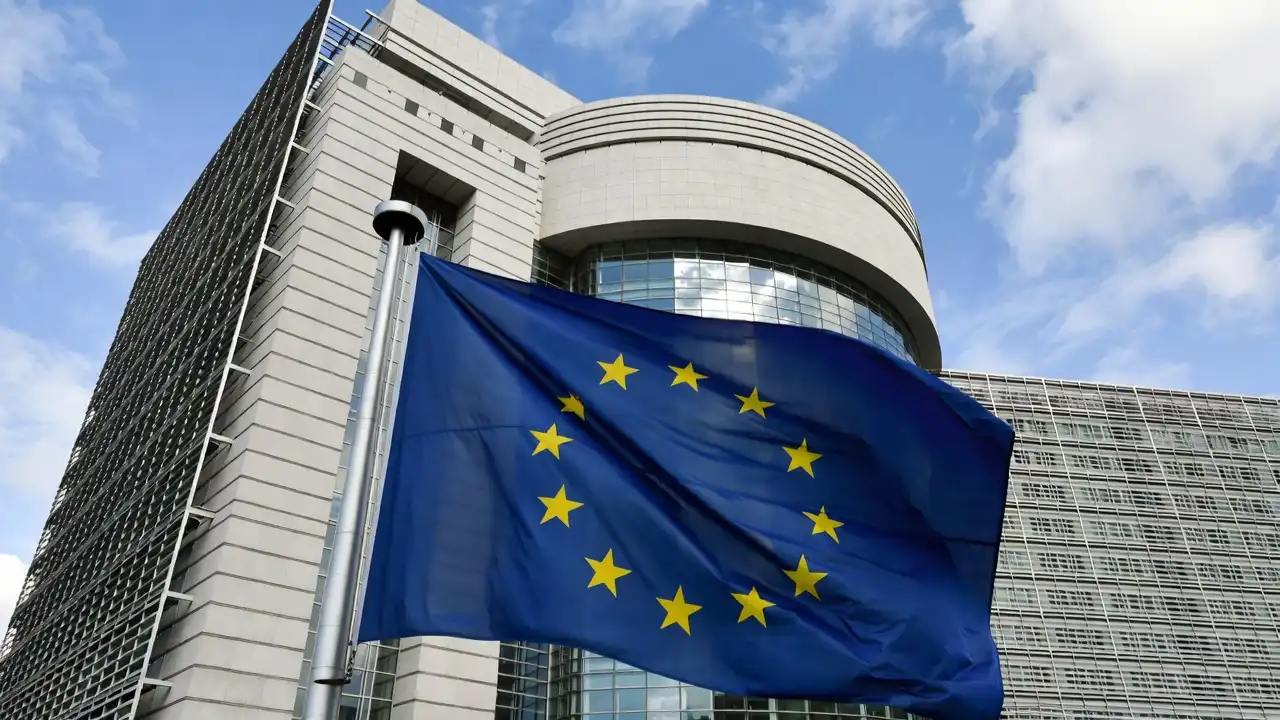
The European Union took a major step on Monday to protect its power grid from foreign threats. The European Commission announced it will block EU funding for solar panel inverters built by high-risk companies. The new rule specifically targets Huawei, the massive Chinese technology company that currently dominates the global solar market. European leaders fear that foreign governments could use this equipment to sabotage the electrical grid and cause massive power failures across the continent.
Commission spokesperson Siobhan McGarry spoke to reporters to explain the sudden decision. She stated that the European Union decided to take concrete action right now to protect its citizens. McGarry highlighted the severe risk of foreign actors disrupting critical infrastructure. To stop this threat, the Commission is drafting new guidelines that strictly restrict the use of European taxpayer funds for green energy projects that purchase equipment from high-risk suppliers.
To understand the danger, people need to know how solar power actually works. Solar panels collect energy from the sun, but homes and cities cannot use that raw power directly. An inverter is a vital piece of technology that converts the raw electricity from solar panels into usable current that flows safely into the public power grid. Because these inverters connect directly to the national power supply, they serve as a potential backdoor for hackers.
Chinese technology companies currently dominate this specific industry. According to an unnamed European Union official who spoke about the new rules, Chinese suppliers control roughly 80 percent of the global solar inverter market. Huawei stands at the very top of that list as the undisputed market leader. Because European countries buy so much of this equipment from China, the power grid becomes incredibly vulnerable to overseas interference.
McGarry detailed the terrifying risks posed by foreign interference to clean energy networks. She warned that bad actors could secretly manipulate electricity production parameters, disrupting power generation. Hackers could also gain unauthorized access to sensitive operational data. In the worst-case scenario, a foreign government could trigger a remote shutdown of millions of inverters simultaneously. McGarry warned that this type of coordinated cyberattack would lead to devastating countrywide blackouts.
The new funding ban does not single out China alone. The unnamed official confirmed that the restrictions apply to suppliers from several hostile nations. Companies based in Russia, North Korea, and Iran will also face bans from any projects that receive European Union funding. European leaders want to make sure that no hostile government can ever hold their power grid hostage during a geopolitical crisis.
Some companies already use high-risk equipment in their ongoing projects. The European Union created a temporary process to handle these specific cases. Vendors involved in active EU-funded solar projects can request a special exception from the government. The Commission will review these requests and make a final decision by November 1. They will decide whether to let those specific projects continue without forcing the builders to rip out and replace their existing inverters.
This solar technology ban represents the latest battle in a long-running trade war between Europe and Chinese technology giants. For years, the European Union has worried about the extreme security threats posed by Huawei and its smaller Chinese rival, ZTE. The fight originally started over 5G cellular networks. European leaders urged member countries to remove Chinese equipment from their national telecommunications systems. Now, the European Union wants to make those 5G network bans completely mandatory.
The fight over technology security will soon become official European law. McGarry noted that the European Union plans to tackle these medium-term risks through a revised Cybersecurity Act. This updated legislation will give the government more power to police digital threats and block dangerous hardware from entering the single market. The solar inverter ban serves as just one piece of this broader security strategy.
China did not take the news well. Last week, leaders in Beijing threatened to hit back against Europe. Chinese officials promised retaliation over any new measures that try to restrict Chinese suppliers from doing business in the European market. Despite the angry threats from the Chinese government, Huawei remained completely quiet. The technology company did not immediately respond to media requests for comment regarding the new European funding ban.