Key Points:
- French Trade Minister Nicolas Forissier warned Beijing that destroying European industry will ultimately ruin China’s essential export market.
- The European Commission is preparing a series of defensive tools to protect local firms from a massive flood of cheap Chinese imports.
- Proposed rules could require European companies to source manufacturing parts from at least three global suppliers.
- The EU’s goods trade deficit with China soared to €359.3 billion in 2025, up nearly 20% year-on-year.
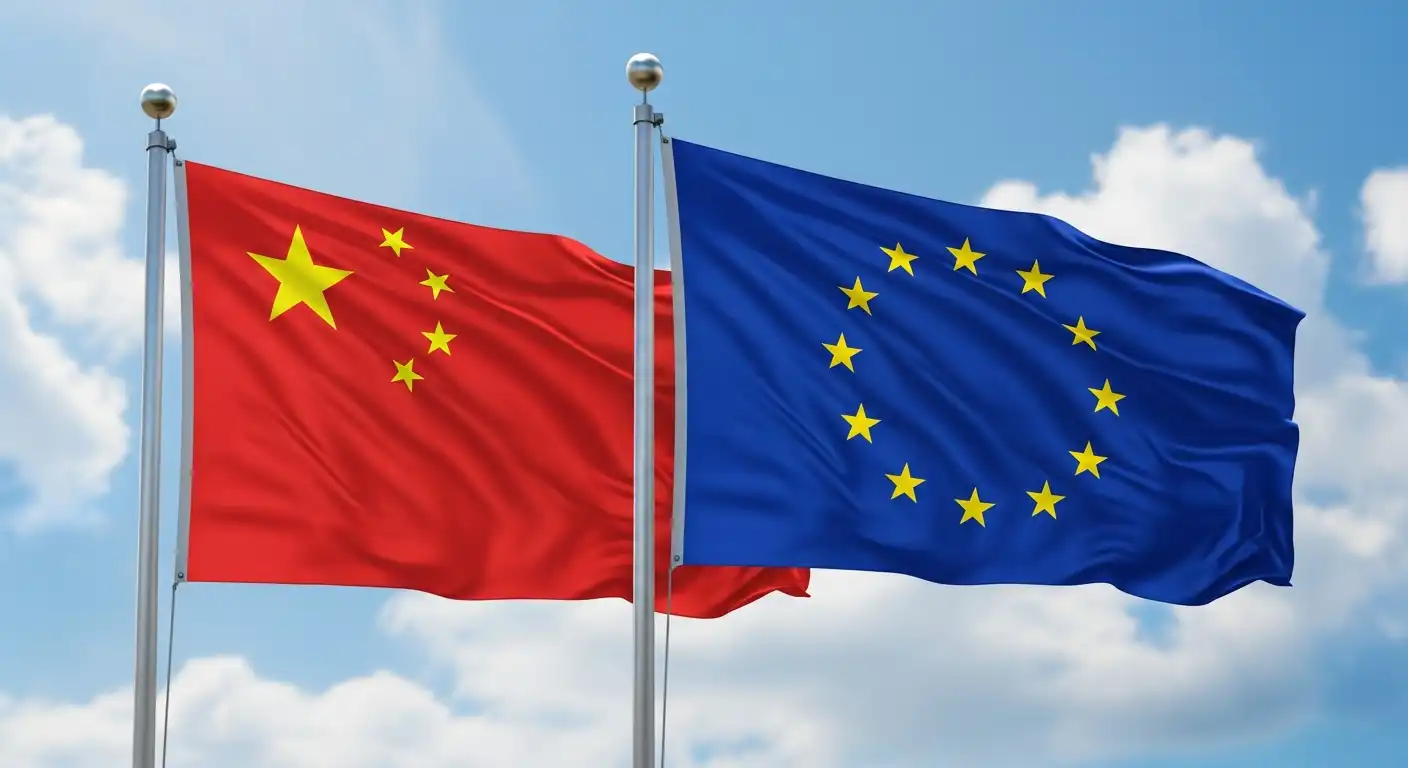
France’s Minister for Foreign Trade, Nicolas Forissier, delivered a sharp, direct warning to Beijing on Friday, May 22, 2026. In an exclusive interview, Forissier declared that China will not win anything if its aggressive trade policies destroy European industry and wipe out the local consumer market. He urged the European Union to completely abandon its naive approach to international trade and aggressively protect its sovereign borders.
The minister’s strong comments arrive just one week before a highly anticipated “orientation debate” among European Commission President Ursula von der Leyen’s executive team on May 29, 2026. EU leaders plan to use this meeting to map out a series of defensive tools to shield the single market from a massive flood of cheap Chinese imports. The high-stakes trade discussions will likely continue when the heads of all 27 EU nations gather for their official summit in Brussels in mid-June.
Forissier stressed that European policymakers are undergoing a major shift in mindset regarding global trade dependencies. He argued that Brussels must stop focusing only on China. Instead, he believes Europe’s new defensive strategy must encompass any foreign nation that attempts to weaponize commercial dependencies or monopolize key supply chains to the detriment of local European businesses.
One of the most radical proposals currently on the table in Brussels is a mandatory supplier diversification rule. Under this plan, the European Commission would force EU companies to source critical manufacturing components from at least three different suppliers. When asked whether the European Union should officially introduce this strict quota, Forissier replied bluntly that they absolutely must do so to protect their economic security.
To further protect local factories, European negotiators are also considering imposing heavy extra tariffs on strategic sectors, such as chemicals. The European Commission wants to impose targeted anti-dumping and anti-subsidy duties to correct artificially low import prices. This strategy seeks to prevent foreign companies from dumping products into the European single market at prices far below those charged in their home markets.
The massive trade deficit between the two regions highlights the urgency of these proposed measures. Official data shows that the European Union’s goods trade deficit with China reached a staggering €359.3 billion in 2025. This record-breaking deficit represents an increase of almost a fifth compared to the previous year, proving that China’s cheap export machinery is rapidly consolidating its hold over the European economy.
France has spent years leading the charge inside the European Union to implement these targeted protectionist measures. The French government routinely argues that the bloc must build up its own industrial and technological sectors instead of relying on cheap imports. To support this vision, French officials recently welcomed massive investments, including a €4 billion commitment from Microsoft to build out local cloud and artificial intelligence infrastructure.
This aggressive trade stance matches France’s broader diplomatic goals. French Foreign Minister Jean-Noel Barrot recently suggested that Europe could emerge as a powerful “third actor” in the escalating global rivalry between the United States and China. Drawing on classical Greek history, Barrot argued that established superpowers often exhaust their resources in long conflicts, allowing a unified, quiet outsider to consolidate strength and eventually prevail.
However, implementing these strict trade barriers will likely trigger a massive economic response from Beijing. The Chinese government has already warned of severe retaliation if the European Union introduces curbs on Chinese imports. Beijing recently introduced new regulations that could penalize European companies operating inside China simply for complying with European Union rules, threatening to trap multinational businesses in the middle of a brutal economic crossfire.
As the June summit in Brussels approaches, European leaders face a highly critical decision. They must decide if they have the collective political courage to finally stand up to China’s trade practices and secure their own industrial future. If they fail to act, they risk watching their domestic factories close down permanently under the pressure of cheap imports, turning the wealthy European market into an economic colony of foreign powers.