Key Points:
- Intel secured massive manufacturing partnerships with Apple and Elon Musk.
- The chipmaker made the United States government its third-largest shareholder.
- Company factories struggle with 65 percent chip yields compared to industry rivals.
- Executives push to change a lazy corporate culture after three straight years of losses.
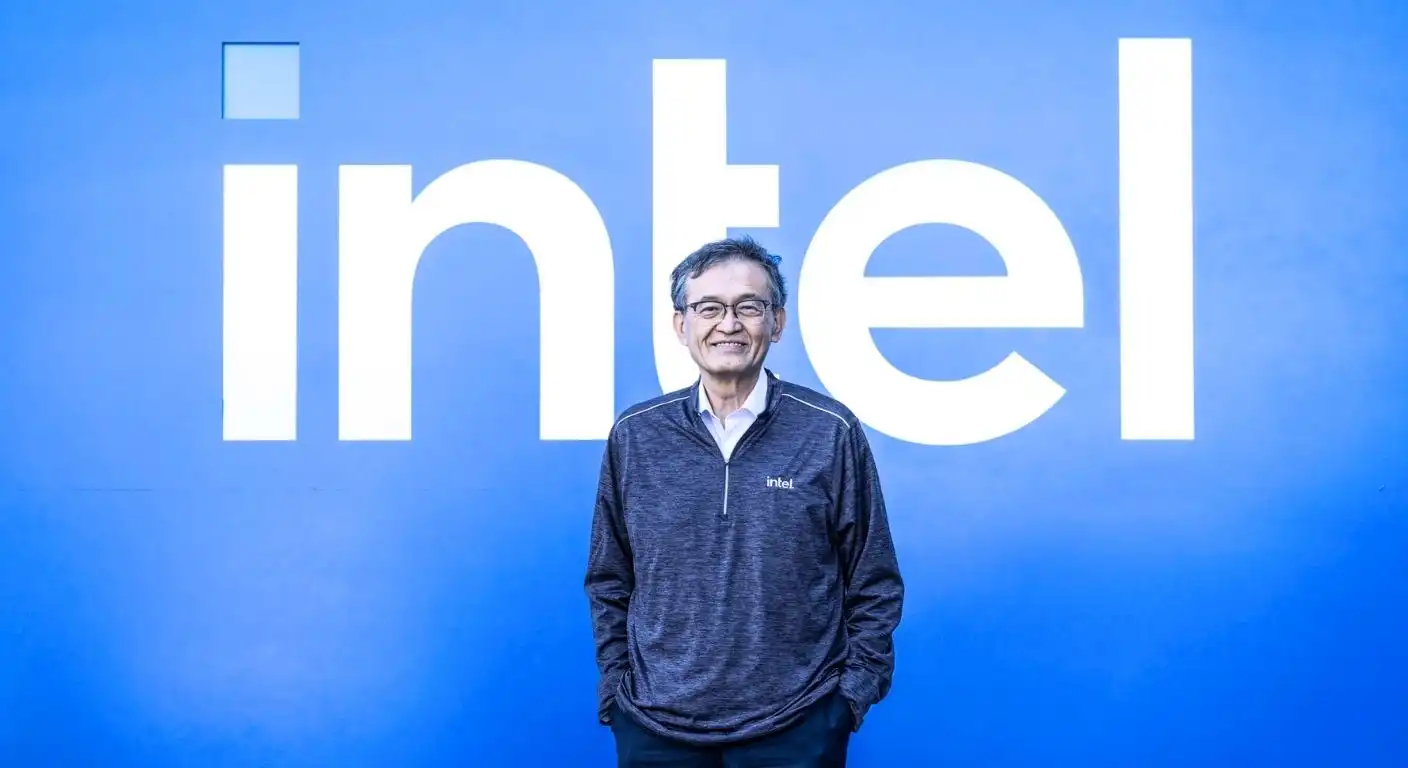
Lip-Bu Tan stepped into the chief executive role at Intel just over a year ago. For his first seven months, the struggling chipmaker watched its stock price sit completely flat. Rivals easily beat the company in the booming artificial intelligence market. However, Tan recently changed the story by securing massive deals with the world’s biggest technology titans. Investors feel fresh optimism, and Intel stock just hit a brand new record high.
The 57-year-old company faces a long road to full recovery. Intel completely missed the initial artificial intelligence boom, allowing Nvidia to steal the spotlight. For decades, Intel stood as the undisputed leader in semiconductor manufacturing. Today, the company actually pays rival firm Taiwan Semiconductor Manufacturing Company to build some of its most important products. Tan knows he must rebuild internal factories and create amazing products to win back lost market share.
Tan approaches this massive turnaround by using his powerful personal network. Last August, he attended a crucial meeting at the White House with United States President Donald Trump. Tan turned a tense public argument into a historic financial deal. With help from industry friends like Michael Dell, Tan successfully convinced the United States government to become the third-largest shareholder in Intel. This powerful backing gives the company serious credibility on the world stage.
The CEO also reached out directly to billionaire Elon Musk. The two leaders chatted for months and eventually struck a partnership to build a massive factory complex. This bold plan shocked many other Intel executives. Musk even visited an Intel plant in Oregon this week and posted a picture online with Tan. Furthermore, Intel recently reached a preliminary agreement to manufacture the main processors for upcoming Apple devices.
Despite these flashy partnerships, the company must fix massive problems inside its own factories. Manufacturing computer chips costs a fortune, and Intel currently spends three times as much per chip as its main rival. The biggest problem comes down to production yield. When Intel runs a manufacturing batch, only 65 percent of the chips actually work properly. Meanwhile, competitors achieve a much better 80 percent success rate.
Naga Chandrasekaran leads Intel’s factory business. He knows the company must start hitting strict deadlines to introduce new technology. He wants his own product design teams to trust the internal factories again so they can stop sending work overseas. However, building chips just for Intel will not pay the bills. The company needs massive outside orders from other tech giants to keep these giant factories running profitably.
Getting rivals to trust Intel remains a massive hurdle. Switching chip suppliers costs over $1 billion and carries incredible risk. Technology companies refuse to move their business unless they see immediate proof of success. Nobody wants to act as the test subject for a struggling factory. Tan promises prospective clients that Intel will treat them better than its own internal divisions, but he must prove this claim with actual results.
Tan manages the massive company much like a venture capitalist. He spends most of his time outside the office hunting for big clients. When he hires new leaders, he skips the tiny details and focuses entirely on the big picture. He opens important doors for his executives and expects them to figure out the exact strategies. Many employees note that Tan rarely explains the specific technical plans to the regular workforce.
Kevork Kechichian runs the crucial server chip unit. He completely agrees that Intel needs a massive culture shift. When Kechichian questions his team about missing a deadline, employees simply adjust the schedule back two weeks without any sense of urgency. Kechichian never saw this lazy attitude at other highly successful technology companies. He works desperately to make at least 80 percent of the staff understand the critical need for speed.
Previous leaders tried to hide the true financial damage at Intel. The company suffered three straight years of painful losses. Total revenue dropped a massive 33 percent from its peak in 2021. Earlier this year, financial results missed expert projections because factories could not produce enough data center chips to meet sudden customer demand. The newest production method simply did not produce enough usable semiconductors.
Tan publicly admitted his disappointment regarding the recent factory output. He forces his team to work tirelessly to improve efficiency in the fabrication plants. He clearly stated that current yields sit far below his personal expectations. However, he also notes that factory conditions improve rapidly every single week. Outside interest in using Intel continues to grow as the CEO personally guarantees better results.
Momentum means everything in the fast-paced technology industry. Nvidia currently sets the global agenda for artificial intelligence. Still, Nvidia leaders recently admitted that the world will need millions of central processing units in the future. Intel specializes in making these exact processors. If Tan can fix the broken factory culture and deliver chips on time, he has a real chance to save the iconic American company.