Key Points:
- Japan is preparing to send a joint government-private sector delegation to Greenland this summer.
- The mission aims to evaluate rare earth extraction sites and consult with Greenlandic authorities.
- The initiative seeks to diversify critical mineral supply chains and reduce reliance on China.
- High operating costs, infrastructure gaps, and complex refining processes remain major hurdles.
Japan Eyes Greenland as a strategic partner to secure its critical mineral supply, preparing to dispatch a joint government-private sector delegation to the Arctic island this summer. This high-profile mission aims to evaluate potential rare earth extraction opportunities and consult with local authorities as Tokyo scrambles to diversify its supply routes. By forging strong ties with resource-rich, strategically located nations, Japan aims to reduce its structural vulnerability to geopolitical supply shocks permanently. This initiative represents a major, coordinated effort to challenge China’s tight grip on the advanced materials that power modern technology and military hardware.
The upcoming delegation will bring together a powerful coalition of government administrators, state-backed agency executives, and private-enterprise executives. Representatives from Japan’s Ministry of Economy, Trade and Industry (METI), the state-run Japan Organization for Metals and Energy Security (JOGMEC), and leading private trading companies will participate in the mission. During their visit, the delegates will hold direct, high-level talks with the Greenland Autonomous Government. The joint team plans to inspect active mine sites where preparations for rare earth extraction are already underway, laying the groundwork for future joint ventures and off-take agreements.
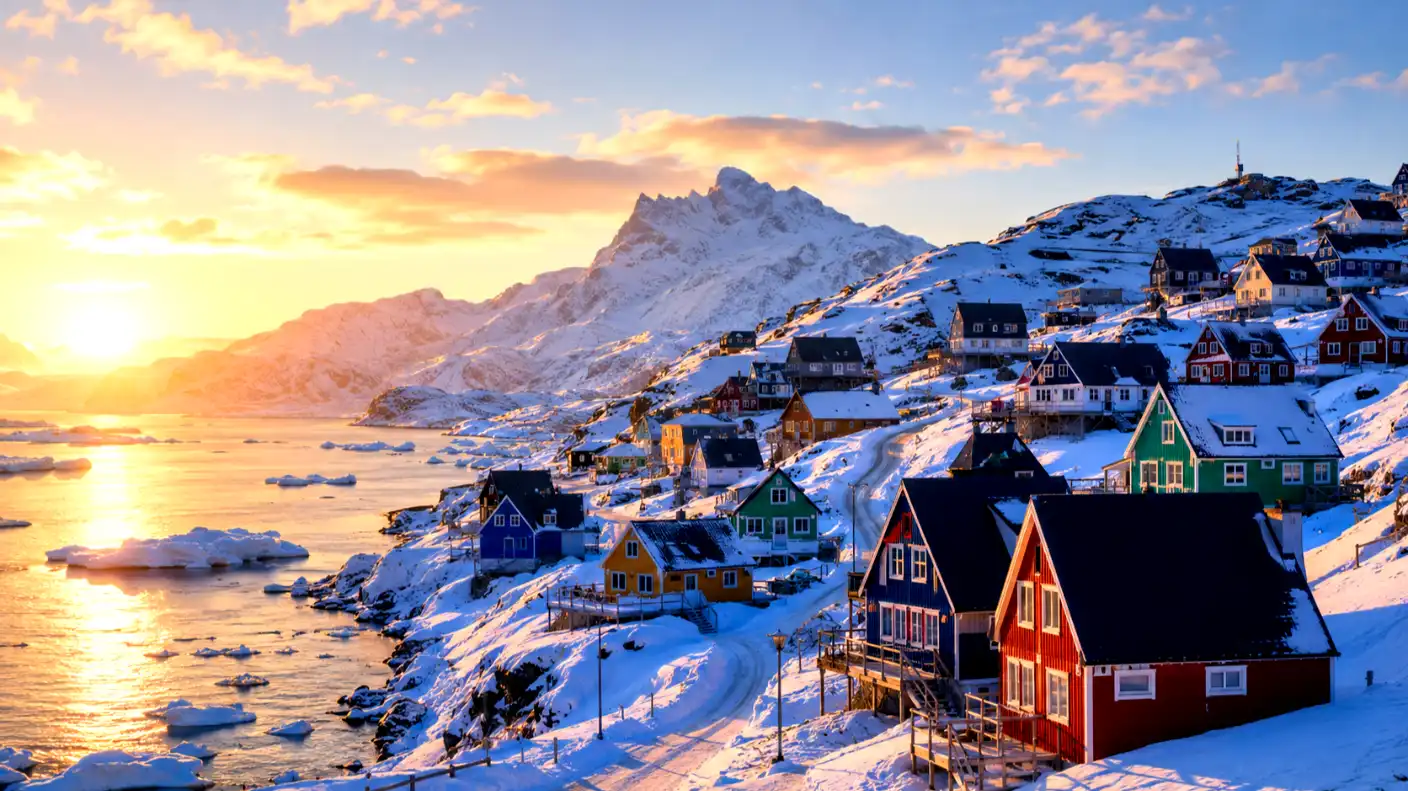
Greenland, an autonomous territory of the Danish Kingdom, has recently emerged as a primary focus of international energy diplomacy and security strategy. The Arctic island holds massive, untapped geological reserves of critical rare earth elements like neodymium and dysprosium. This strategic potential has drawn intense interest from major global powers, including the United States. Earlier this year, the White House confirmed that U.S. President Donald Trump renewed discussions about a potential acquisition of the island, setting off diplomatic alarm bells among European NATO allies before talks shifted to a cooperative track.
Japan’s aggressive push to secure alternative mineral supplies stems from painful historical lessons regarding its extreme dependence on a single trading partner. In 2010, a diplomatic dispute between Tokyo and Beijing prompted China to implement sudden, undeclared export restrictions on rare earth elements to Japan, severely disrupting Japanese high-tech manufacturing. Having realized its strategic vulnerability, Tokyo has spent the subsequent years investing in secondary supply lines, building emergency stockpiles, and establishing collaborative mineral alliances with the United States and the European Union.
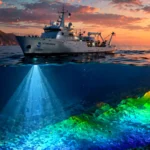
The Arctic mission is part of a broader, multi-track national strategy to protect Japan’s high-tech manufacturing base. Earlier this year, in February, the country achieved a historic world first by successfully retrieving rare-earth-rich sediment from a depth of 6,000 meters beneath the Pacific Ocean near Minami Torishima. Simultaneously, Japan’s Environment Ministry has allocated ¥37.9 billion ($238 million) in its fiscal 2026 budget to fund “urban mining” programs. This initiative aims to establish an automated, industrial-scale infrastructure for recycling valuable rare earths from retired electric-vehicle motors, industrial compressors, and end-of-life electronics.
Despite Greenland’s undeniable geological potential, actually extracting minerals from the frozen territory presents massive, high-cost operational challenges. Industry analysts warn that resource estimates do not automatically translate into profitable mines. The remote Arctic island suffers from severe infrastructure gaps, lacking the deepwater ports, roads, and stable electrical grids necessary to run heavy industrial operations. Operating in these extreme sub-zero climates dramatically increases upfront capital expenditures, while developers must also navigate complex environmental permitting and secure the consent of local Indigenous communities.
Even if mining operations in Greenland prove successful, Western nations still face a much larger, structural hurdle in the refining supply chain. The actual extraction of rare earth ore is merely the initial step; the real technological chokehold lies in the highly complex chemical processes required to separate and refine the ore into purified oxides, metals, and permanent magnets. Because China currently controls over 90% of the world’s advanced chemical separation and solvent extraction infrastructure, simply mining the raw material in Greenland would not resolve the strategic bottleneck if the ore must still travel to Chinese facilities for final processing.
The planned dispatch of the Japanese delegation to Greenland demonstrates that the global race for technological sovereignty has reached the most remote corners of the planet. By proactively exploring these high-risk, high-reward Arctic projects, Tokyo is demonstrating its long-term resolve to build a diversified, secure supply chain. As the joint team prepares to depart this summer, the success of their negotiations will determine whether Greenland can transition from a frozen treasure trove into a commercially viable partner for the democratic world, helping to construct a more resilient global technology market.